Waikīkī is both an archetype and a study in contrasts — a narrow coastal ribbon where volcanic shoulders meet turquoise reef flats and where a bustling beachfront boulevard threads through palm-fringed hotels and quiet neighborhood pockets. For photographers, that compression of environments is a gift: you can shift your frame from intimate portraits of early-morning surfers to sweeping seascapes of Diamond Head without long drives. Light is the constant protagonist. Mornings deliver clear, warm sun that skims the water and sculpts the crater in low-angle relief; afternoons throw dramatic shadows across colonnades and banyan trees; evenings cascade neon and torchlight reflections back into the wet sand. The weather is forgiving for most months, but it’s the microclimates — a quick cloudburst that lifts into a double rainbow, a trade-wind surge that animates palms and spray — that make every session feel lived-in and alive.
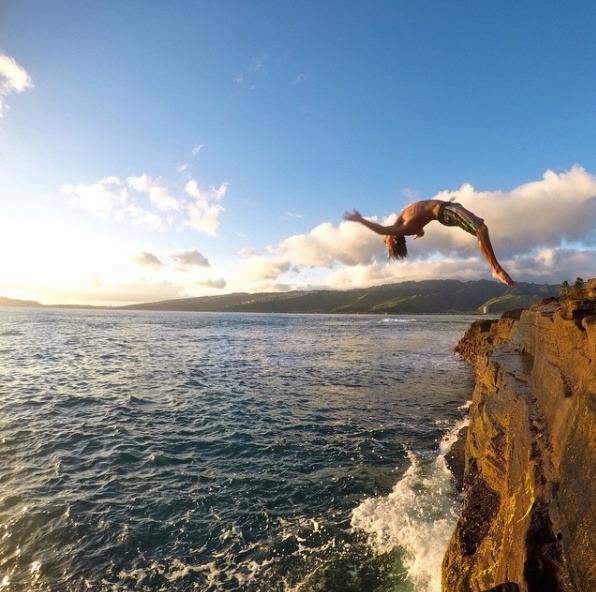
Waikīkī’s photographic appeal extends beyond classic beach postcards. The area’s human texture — lei-makers arranging strands of plumeria, surfers waxing boards at dawn, vendors calling softly from open-air markets, and cultural practitioners rehearsing hula under banyans — offers editorial and documentary opportunities. Architectural contrasts give additional narrative depth: art-deco details and mid-century facades sit beside modern glass-front resorts, producing graphic lines for minimal, architectural frames. The coastline itself is layered. Tidal flats create reflective foregrounds at low tide; reef breaks and long-rolling sets at certain seasons produce dynamic surf portraits and action sports compositions. For nature-oriented photographers, migratory seabirds and seasonal spinner dolphin sightings just off the shore can provide wildlife moments without a chartered boat. All told, Waikīkī is a condensed field workshop where considerations of tide, light, human activity, and cultural sensitivity converge, making it ideal both for one-off photoshoots and for multi-day, focused tours that teach technique while connecting photographers to place.
Waikīkī compresses varied photographic subjects — surf, seascape, portraiture, street scenes, and soft-landscape — into a compact area that’s easy to explore on foot or by short drives.
Tidal patterns and trade-wind shifts shape daily rhythms; timing a shoot around golden hour and low tide multiplies creative foreground options.
The harbor is the gateway, and the Pacific becomes the classroom.
Cultural moments (hula performances, lei-making, community events) offer respectful documentary subjects; local guides can help connect photographers to authentic experiences and permissions.
Choose by purpose
Whale watching, snorkeling, sunset sailing, cultural canoeing, harbor sightseeing, or private chartering.
Start near the city
Waikiki and Honolulu Harbor are primary hubs, with some trips launching near Hanauma Bay.
Confirm the vessel
Gangways, shaded seating, and boarding requirements vary according to vessel size and operator.