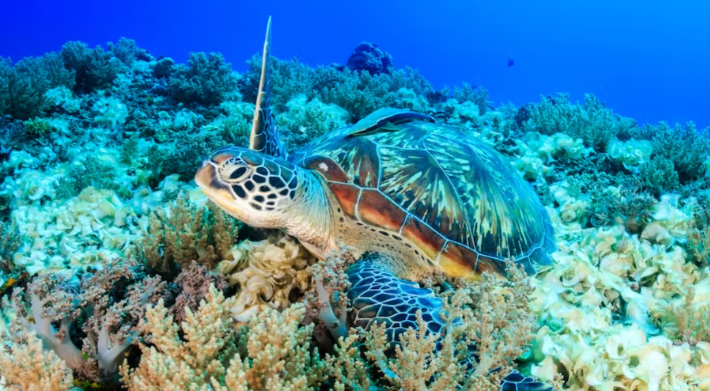
Waikīkī can feel like two worlds at once: a bustling beachfront neighborhood with its hotels, restaurants, and surf culture—and a palm-framed marine garden that begins the moment your toes hit the sand. Snorkeling here is approachable in a way that many ocean adventures are not. You can walk out from a public beach, slide over a gentle sandbar, and within minutes be watching rabbitfish, tangs, and colorful wrasses negotiate the reef. The coral gardens that fringe Waikīkī and nearby coves evolved in clear, shallow water and attract a compact cast of species that are easy to observe and photograph. That proximity makes Waikīkī ideal for families, snorkel newbies, and travelers with just a morning or afternoon to spare.
But accessibility doesn't mean shallow thinking. The reef systems off Waikīkī are biologically important and environmentally sensitive. Coral is fragile; fish populations reflect both local stewardship and broader ocean health. Community programs and reef-protection efforts in Honolulu have established rules and education aimed at keeping snorkeling low-impact. The best experiences pair natural wonder with respect: a slow, deliberate swim, eyes on the reef rather than hands, and an awareness of tides and surf that can change a calm flat into a challenging crossing. Combining a shoreline snorkel with a short boat tour or a guided eco-trip opens opportunities to see deeper reefs, spinner dolphins, or night-sky reflections on glassy water.
Finally, Waikīkī's geography makes it useful as a base. Diamond Head creates a visual landmark, Kapiʻolani Park provides a grassy launch point for pre- and post-snorkel picnics, and local outfitters deliver gear rentals and guided departures within walking distance. Seasonality subtly shapes what you see: visibility generally improves in late spring and summer, while winter swells bring dynamic surf and can push marine life differentially along the coast. Even so, Waikīkī's warm water temperatures mean snorkeling is possible year-round; the trick is choosing the right day, tide window, and entry point for your comfort and skill level.
Variety and convenience are Waikīkī's strengths: Beginners can step off a sandy beach into a calm lagoon and return to shore for lunch, while intermediate snorkelers can join short boat trips to reefs beyond the break where fish are more abundant and corals are larger.
Local stewardship matters. Many popular sites are part of conservation programs that rely on visitor education and simple rules—no touching coral, no feeding fish, and use reef-safe sunscreen. Observing these guidelines preserves the reefs for future snorkelers and maintains healthy marine habitats.
Choose by purpose
Whale watching, snorkeling, sunset sailing, cultural canoeing, harbor sightseeing, or private chartering.
Start near the city
Waikiki and Honolulu Harbor are primary hubs, with some trips launching near Hanauma Bay.
Confirm the vessel
Gangways, shaded seating, and boarding requirements vary according to vessel size and operator.