Whale Watching in Waikīkī, Hawaii
Waikīkī Whale Watch Guide

Whale Watching in Waikīkī, Hawaii

Waikīkī offers an unusually accessible window into the annual spectacle of humpback whales migrating to Hawaiian waters. From shorelines framed by Diamond Head to short vessel trips launched from the Honolulu area, this is a place where breaching giants and subtle displays of whale behavior can be experienced within a single morning. This guide focuses on where, when, and how to watch responsibly—plus the practicalities of booking, safety, and complementary coastal adventures that amplify a whale-watch day in Waikīkī.

South Oʻahu CoastMaunalua BayDiamond HeadKapiʻolani ParkHonolulu Harbor

Live destination inventory

Top Whale Watch Trips in Waikīkī

77 trips · Book with confidence · Instant confirmation

The prototype intentionally does not invent replacement trip cards or add images that are not already part of the live source page.

The city from the water

Why Waikīkī Is a Standout Whale Watching Destination

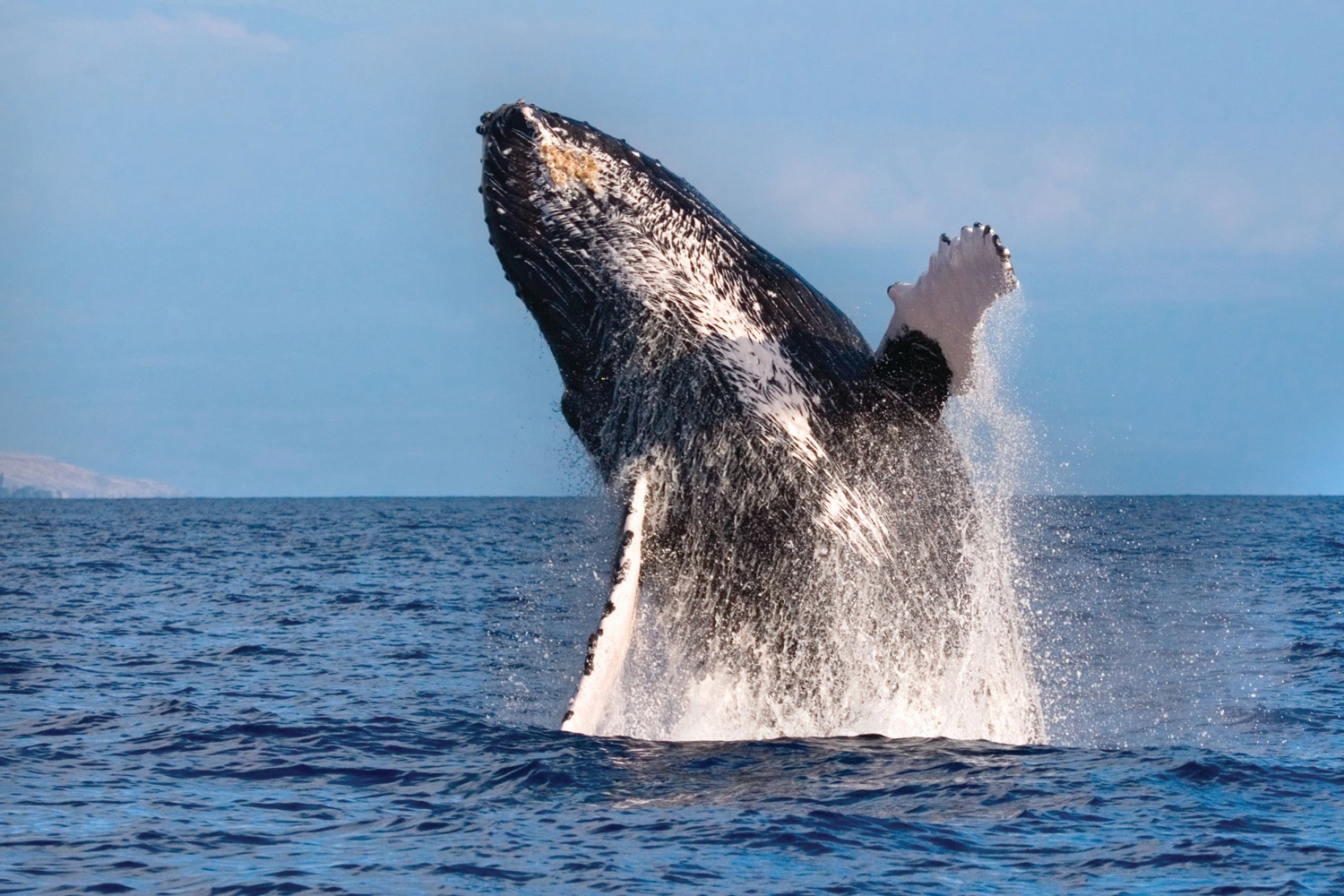
Waikīkī is unusual among world-class whale‑watching places because it combines extraordinary marine life with immediate urban access. Each winter the North Pacific humpback whales leave cold northern feeding grounds and arrive in Hawaiian waters to breed, calve, and socialize; Waikīkī sits at the edge of those seasonal pathways. The bay formed by Diamond Head and the broad coastline of South Oʻahu create feeding and resting pockets where whales—and their calves—often surface, roll, tail-slap, and sometimes breach in plain view. For visitors based in Honolulu, whale watching here can be a compact, high-reward outing: a quick shore stakeout at sunrise, a half-day catamaran tour, or a small-group zodiac that gets you closer to behaviors without spending an entire day at sea. But the experience is more than a checklist of sightings. Waikīkī gives you the social context of Hawaiian ocean culture: outrigger canoes slicing through the swell, local guides weaving moʻolelo (stories) into onboard briefings, and a conservation ethos grounded in state and federal protections for marine mammals. Watching a mother and calf move through blue water with Diamond Head's silhouette behind them is both cinematic and quietly educational. The setting also makes it straightforward to layer activities—snorkeling off a calm reef after a morning watch, hiking the Diamond Head rim in the afternoon, or spending an evening at a beachside luau that reflects the islands’ relationship with the ocean. Practical considerations are part of the appeal. Waikīkī’s close proximity to ports shortens transit time to productive whale grounds, which matters for travelers with limited time or those prone to sea sickness. Licensed operators in the Honolulu area run frequent departures; many combine storytelling, naturalist-led interpretation, and binoculars for shore watchers. Shore-based viewing is surprisingly effective from vantage points like Kapiʻolani Park or the Diamond Head Lookout when conditions are right, and it’s an excellent low-cost option for families or those who prefer to stay on land. Over the years, increased awareness and regulation—distance rules, no‑approach zones, and educational outreach—have shaped more respectful encounters, encouraging operators to prioritize animal welfare and meaningful observation over sensational pursuit. Ultimately, whale watching in Waikīkī is for travelers who want immediacy: short transit, a high chance of seeing signature humpback behaviors during the peak season, and an easy way to frame a full day of coastal exploration. The gateway nature of Waikīkī also makes it a sensible base for mixing sea-based marine viewing with snorkeling, surfing, coastal hikes, and cultural experiences, creating a balanced itinerary that feels both adventurous and grounded.

Cultural context matters: local guides often include Hawaiian names, cultural stories, and conservation messages that deepen the encounter rather than turning whales into mere spectacle.

Waikīkī’s geography—sheltered bays and proximity to deeper channels—creates variable but often productive viewing conditions close to shore.

The harbor is the gateway, and the Pacific becomes the classroom.

Regulations and operator best practices limit disturbance; choose licensed tours that emphasize responsible viewing and naturalist interpretation.

Activity focus

Choose by purpose

Whale watching, snorkeling, sunset sailing, cultural canoeing, harbor sightseeing, or private chartering.

Departure hubs

Start near the city

Waikiki and Honolulu Harbor are primary hubs, with some trips launching near Hanauma Bay.

Accessibility

Confirm the vessel

Gangways, shaded seating, and boarding requirements vary according to vessel size and operator.
Seasonal planning

Best Time to Visit

Waikīkī is warm year-round, but wind, swell, migration, visibility, and demand change the best match between traveler and trip.

Waikīkī boat tour
Year-round destination

Seasonal highlights change the reason to go

Winter favors humpback encounters; warmer, calmer months favor snorkeling visibility and smoother water.

Humpback season

January through March is the most reliable stretch for active behaviors like breaching, tail slaps, and mother-calf interactions. Book tours early in this window.

Prime whale watching, winter holidays, higher demand, and earlier sell-outs.

Snorkeling window

December–January–February–March–April

Typically gentler seas and clearer water for snorkeling trips.

Weather notes

Trade winds year-round

Winter months bring trade-wind shifts and variable seas. Mornings are often calmer; afternoons can build breezes. Expect mild temperatures with cooler sea breezes—layers work best.

Quieter opportunities

Late spring & summer weekdays

May through November sees reduced humpback presence but offers calmer tropical seas, lower tour prices, and opportunities to see other marine life (dolphins, turtles) and focus on snorkeling or sailing.

Match the trip to your comfort

Choose Your Experience Level

Low effort

Beginner

Ideal for families and first-time watchers: shore viewing and short, calm-water catamaran tours with naturalist narration.

  • Sunrise shore stakeout at Kapiʻolani Park
  • 90-minute narrated catamaran cruise
  • Half-day family-friendly whale-watch tour
Active day trip

Intermediate

For travelers seeking a closer, more engaged encounter: mid-length boat tours, zodiac rides, and small-group naturalist excursions.

  • 3–4 hour small-boat naturalist tour
  • Photography-focused boat trip with raised observation decks
  • Combined whale watch and coastal snorkeling trip
Longer or technical

Advanced

For experienced sea travelers and serious photographers: private charters, research-style rides with marine biologists, and extended offshore excursions that balance access with regulation compliance.

  • Private charter with onboard photographer guide
  • Research-boat day with tagging/monitoring briefings (when available)
  • Extended expedition to offshore deepwater hotspots

Prepare for sun, spray, and swell

What to Bring

Essential

Core kit

  • Light windbreaker and layered clothing (sea spray and morning breezes)
  • Binoculars or a telephoto lens
  • Sunscreen, hat, and sunglasses
  • Sea‑sickness medication if you’re prone to motion sickness
  • Reusable water bottle and a small snack
Recommended

Useful extras

  • Compact camera with zoom or a fast lens for action shots
  • Small dry bag or waterproof phone pouch
  • Copies of tour booking confirmations and punctual arrival
  • Portable power bank for electronics
Optional

Trip-specific

  • Field guide or app for marine mammal ID
  • Light binocular tripod or harness for steady viewing
  • Notebook for jotting down animal behaviors and guide insights
Follow local regulations and the guide’s instructions—responsible viewing keeps whales wild and the activity sustainable.

Insider Tips & Local Knowledge

Reserve whale-watching and popular sunset cruises well ahead during December–April.
Choose morning snorkeling departures for calmer seas and better underwater visibility.
For motion sensitivity, choose a larger vessel, sit mid-ship, and take preventative medication before boarding.
Do not touch coral or wildlife, avoid standing on reefs, and use reef-safe sunscreen.
Community-based operators may add context about traditional navigation and stewardship.
Arrive early for parking and check-in because Waikiki departure areas can be busy.

Planning questions

Frequently Asked Questions

No permit is needed for shore viewing. For boat-based activities, choose licensed operators who follow state and federal marine mammal approach guidelines.
Whale Watching in Waikīkī, Hawaii
Ready for your whale watch adventure?

Browse 77 verified trips in Waikīkī.

Compare current availability and book with instant confirmation.

Explore Waikīkī whale watch