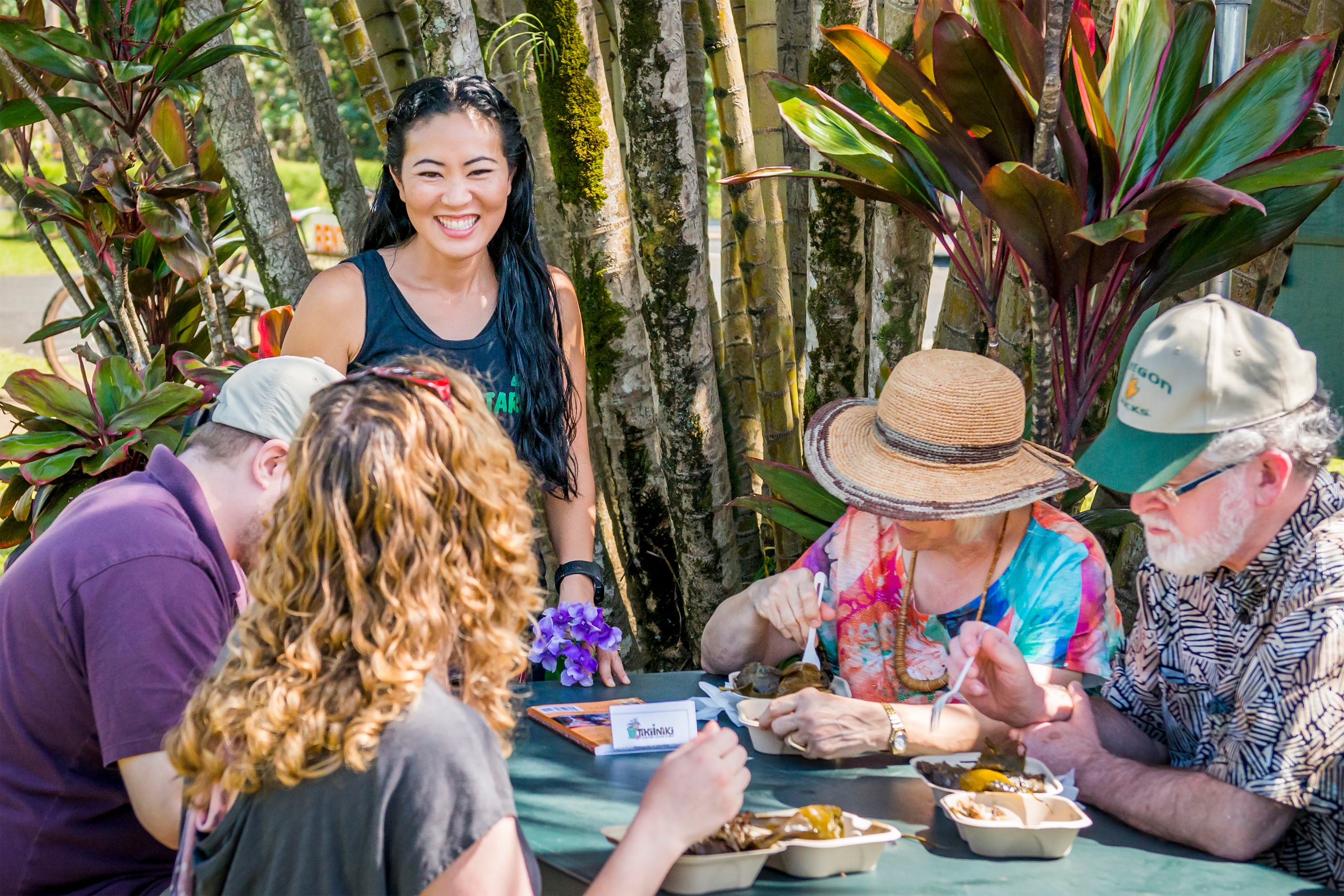
Wailua is a rare place where the details of a landscape—dripping ferns, braided river channels, the smell of taro lo‘i after rain, the carved stones of ancient heiau—are accessible at walking pace. On Kauai’s east shore the Wailua River threads a valley that has supported Hawaiian communities for generations, and that living history is part of every footstep. A morning walk can move from a sunlit seaside promenade past local food carts to a shady inland path where a guide points out native plants and traditional aquaculture terraces. The scale of Wailua’s walks is what makes them so compelling: you can feel the island’s geology in the rise of the streambanks, its climate in the sudden shifts from trade-wind breeze to muggy mist, and its culture in roadside markers and small temples that have been tended for centuries.
Walking tours here do more than show sights; they slow you down so you see relationships—the way freshwater meets the sea at the river mouth and supports the reef, how native plants hold steep slopes and harbor birds that you might only glimpse. Routes vary from paved coastal paths suitable for families and strollers to uneven dirt trails that lead to overlooks and hidden falls. Many local guides weave in ʻōlelo Hawaiʻi (the Hawaiian language), chants, and stories about aliʻi (chiefs) and the sacred kapu sites along the river, so a simple loop can become a layered education in place and memory. For travelers who want a short, sensory immersion there are half-hour interpretive walks around the Wailua Marina and Fern Grotto; for curious hikers, half-day cultural walks combine a riverside paddle with a trek to sacred sites and ancient petroglyphs upriver.
Practical pleasures amplify the experience: the light here is forgiving in the morning and late afternoon, trail surfaces are often shaded which keeps temperatures mild even when the sun is strong, and many tours finish with a taste of local food—fresh tropical fruit, poi, or a shave ice—that roots the walk in island flavors. Because Wailua’s trails and paths are concentrated near small towns, it’s easy to pair a walking tour with complementary adventures: paddle the river in the same morning, rent a bike for a coastal ride afterward, or take a short drive to trailheads that lead to ridgeline vistas. For photographers and field-naturalists alike, Wailua’s walks are efficient: you encounter floral diversity, cultural markers, and water features in a compact area, making every step feel like a discovery.
The strongest walking tours here balance natural highlights—waterfalls, river estuaries, fern-lined gullies—with human stories: taro cultivation, heiau sites, and living cultural practices that continue to shape the valley.
Because trails are often short but varied, Wailua is ideal for travelers who want meaningful outdoor time without committing to long hikes: easy loops, guided cultural walks, and riverfront promenades each deliver a different tone of experience.
Choose by purpose
Whale watching, snorkeling, sunset sailing, cultural canoeing, harbor sightseeing, or private chartering.
Start near the city
Waikiki and Honolulu Harbor are primary hubs, with some trips launching near Hanauma Bay.
Confirm the vessel
Gangways, shaded seating, and boarding requirements vary according to vessel size and operator.