Top Fishing Adventures in Wainaku, Hawaii
Wainaku Fishing Guide

Top Fishing Adventures in Wainaku, Hawaii

Set against the deep blue sweep of Hilo Bay and the shadow of wind-shaped palms, Wainaku is a compact, quietly productive base for saltwater fishing on Hawaiʻi Island. The fishing here blends sheltered estuary techniques, reef and shorecasting, and short runs to pelagic water that can deliver mahi, tuna, and ono on the same day. This guide focuses narrowly on the angling experiences that matter—shore, kayak, and small-boat options—while pointing to complementary activities like snorkeling, coastal hiking, and cultural visits that make a fishing trip to Wainaku so complete.

Hilo BayHawaii IslandEast Coast Lava Shores

Live destination inventory

Top Fishing Trips in Wainaku

6 trips · Book with confidence · Instant confirmation

The prototype intentionally does not invent replacement trip cards or add images that are not already part of the live source page.

The city from the water

Why Wainaku Is a Standout Fishing Destination

Wainaku sits like a quiet hinge between the wild Pacific and Hilo’s more trafficked waterfronts — small in footprint, big in variety. From the water it’s possible to feel the layers of place: a shallow coastal shelf strewn with coral and lava fingers that harbor reef species; a sheltered estuary where baitfish gather and schooling predators patrol; and offshore slopes that drop quickly into open ocean, inviting short-run charters or ambitious anglers to test pelagic tactics. The result is a compact fishing canvas that rewards both the patient shore angler who reads a tide and the angler who wants a morning on a small charter chasing mahi-mahi or skipjack. Those layers also feed a particular kind of fishing culture. Decades of island living have preserved practical knowledge about which inside breaks hold ‘ulua and where a handline will out-fish a long cast. You’ll see people fish from steady piers, launch small skiffs from roadside ramps, and rig kayaks for stealthy runs along reefs. Wainaku’s proximity to Hilo means services and guides are a short drive away, but the town itself retains a low-key rhythm — anglers launch quietly at dawn, local boats slip out to the edge of the shelf, and by noon the shoreline has settled into the day’s other business. Environmental context matters here. The reefs and nearshore habitats are both fragile and productive; nutrient flows from mountain streams can concentrate forage and create excellent bite windows, but warming seas and runoff affect coral health and bait abundance. Responsible practices — using circle hooks, returning undersized fish, and avoiding reef damage when anchoring — keep this small fishery healthy. For visiting anglers, that translates into a style of trip that pairs curiosity and humility: modest gear, flexible plans, and a readiness to switch methods as conditions change. Wainaku doesn’t promise monster runs every outing, but it does promise variety and a deep sense of place, where a single morning can move from calm estuary casting to reef fishing and finish with a sunset view of the offshore lines.

The nearshore shelf and reef structures mean productive shore and kayak fishing without long ocean runs; many worthwhile opportunities are accessible within a few hundred yards of shore.

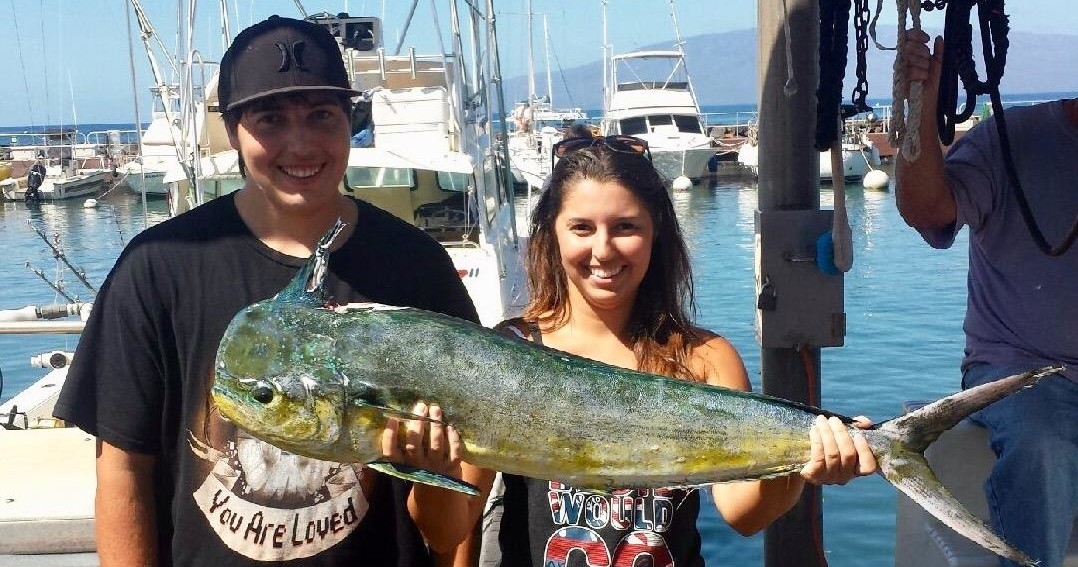
Short charters from the Hilo area open access to pelagic species during spring and summer, while year-round reef and inshore species are consistent targets for shorecasters.

The harbor is the gateway, and the Pacific becomes the classroom.

Fishing here pairs well with snorkeling, tidepool exploration, and short coastal hikes—ideal for mixed-activity days where an angling half-day is balanced by cultural and natural explorations.

Activity focus

Choose by purpose

Whale watching, snorkeling, sunset sailing, cultural canoeing, harbor sightseeing, or private chartering.

Departure hubs

Start near the city

Waikiki and Honolulu Harbor are primary hubs, with some trips launching near Hanauma Bay.

Accessibility

Confirm the vessel

Gangways, shaded seating, and boarding requirements vary according to vessel size and operator.
Seasonal planning

Best Time to Visit

Wainaku is warm year-round, but wind, swell, migration, visibility, and demand change the best match between traveler and trip.

Wainaku boat tour
Year-round destination

Seasonal highlights change the reason to go

Winter favors humpback encounters; warmer, calmer months favor snorkeling visibility and smoother water.

Humpback season

Late spring through summer (April–September) brings the best window for mahi and other pelagics.

Prime whale watching, winter holidays, higher demand, and earlier sell-outs.

Snorkeling window

April–May–June–July–August–September–October

Typically gentler seas and clearer water for snorkeling trips.

Weather notes

Trade winds year-round

Wainaku benefits from the island’s trade wind pattern; mornings are often calm, with winds building in the afternoon. Brief, tropical showers are common on Hilo’s wetter east side. Offshore conditions improve in spring and summer for pelagics; inshore reef and estuary fishing is possible year-round.

Quieter opportunities

Late spring & summer weekdays

Fall and winter still offer reef and inshore action; winter swells can limit small-boat access but create good shorecasting days when conditions are calm.

Match the trip to your comfort

Choose Your Experience Level

Low effort

Beginner

Ideal for anglers new to Hawaiian shore fishing or visitors who want an easy half-day. Focuses on simple rigs, reef edges, and estuary casting with readily available local guidance.

  • Early-morning pier or shoreline casting for reef species
  • Estuary light-tackle bait fishing for schooling fish
  • Guided short kayak outing along protected shoreline
Active day trip

Intermediate

For anglers comfortable with basic boat handling and varied tactics—drift fishing reefs, working lures along the shelf, and experimenting with live bait or trolling for pelagics on short runs.

  • Small-boat half-day targeting mahi and skipjack
  • Reef-to-reef casting with jigs, poppers, or plugs
  • Mixed kayak+shore strategies to reach sheltered coves
Longer or technical

Advanced

Experienced anglers seeking targeted pelagics, more technical tackle, or multi-method days that combine casting, trolling, and fast-chasing offshore fishing.

  • Offshore trips to target tuna and wahoo using livebait and trolling
  • Night or low-light targeting of larger reef predators with heavier gear
  • Custom guided trips prioritizing specific species and tactical approaches

Prepare for sun, spray, and swell

What to Bring

Essential

Core kit

  • Medium-action spinning or overhead rod suitable for 10–30 lb class fish
  • Assorted terminal tackle: fluorocarbon leaders, reef hooks, swivels, and weights
  • Saltwater pliers and a dehooker or long-nosed tool
  • Personal flotation device for kayak or small-boat outings
  • Sun protection and reef-safe sunscreen
Recommended

Useful extras

  • Light fishing gloves and a quick-dry towel
  • Small first-aid kit and fish-handling gloves
  • Line cutters and a compact landing net for reef catches
  • Waterproof bag for phone, license info, and snacks
Optional

Trip-specific

  • Compact fish finder or portable GPS for small-boat anglers
  • Light kayak fishing setup with paddle leash
  • Lightweight rain jacket—the east side can get brief showers
Respect local practice and marine protections; conditions change quickly on the east coast of Hawaiʻi Island.

Insider Tips & Local Knowledge

Reserve whale-watching and popular sunset cruises well ahead during December–April.
Choose morning snorkeling departures for calmer seas and better underwater visibility.
For motion sensitivity, choose a larger vessel, sit mid-ship, and take preventative medication before boarding.
Do not touch coral or wildlife, avoid standing on reefs, and use reef-safe sunscreen.
Community-based operators may add context about traditional navigation and stewardship.
Arrive early for parking and check-in because Waikiki departure areas can be busy.

Planning questions

Frequently Asked Questions

Regulations can change and species-specific rules apply. Check the Hawaii Department of Land and Natural Resources (Division of Aquatic Resources) for current catch limits, size restrictions, and any licensing or reporting requirements before fishing.
Top Fishing Adventures in Wainaku, Hawaii
Ready for your fishing adventure?

Browse 6 verified trips in Wainaku.

Compare current availability and book with instant confirmation.

Explore Wainaku fishing