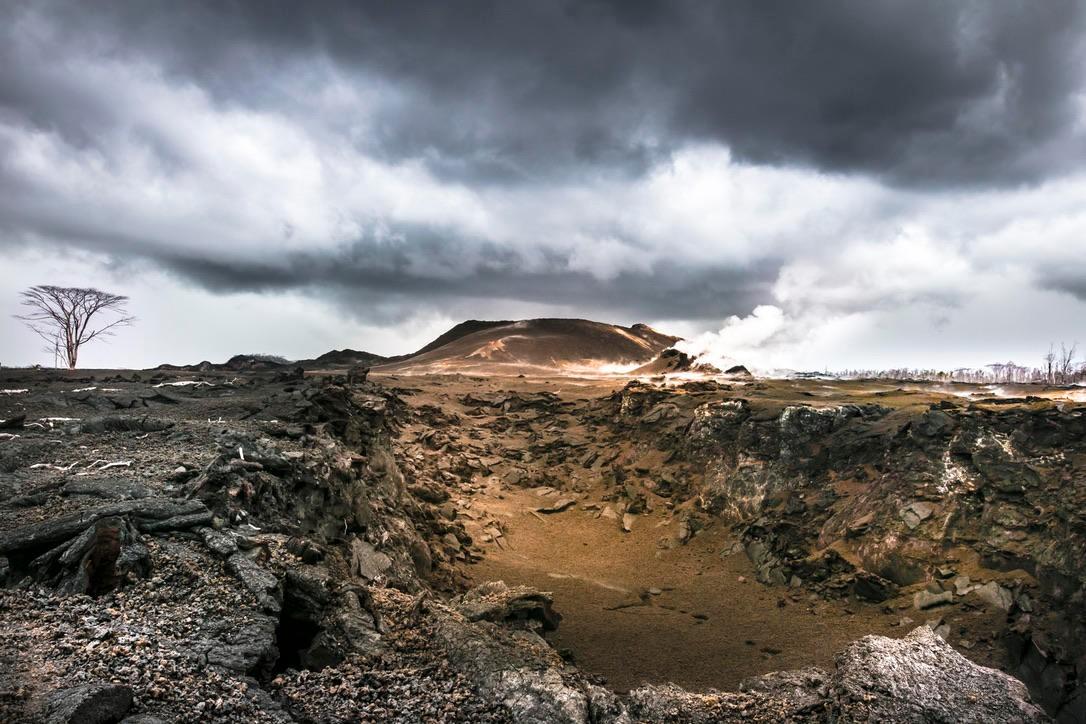
Wainaku is often overlooked on maps in favor of postcard-ready Hilo, but for photographers the town’s quiet shoreline and immediate access to the island’s verdant interior make it a rare and generous base. Within a short drive from Wainaku you can oscillate between ocean light and rainforest shadow, trading the flat, reflective surface of Hilo Bay for the saturated green of fern-draped gulches and the glassy plunge pools beneath waterfall curtains. That constant contrast of exposure — oceanwide highlights and deep, humid shadow — is a photographer’s education in seeing light.
What distinguishes photography tours centered around Wainaku is not just the variety of subjects, but the way local guides choreograph time and place to the island’s rhythms. Mornings here are often glassy and soft, the east-facing shore catching the first, cool rays before inland showers arrive; afternoons frequently become a study in dramatic skies where rain and sun duel along the Hamakua cliffs. Tours take advantage of these shifts: a sunrise waterfront session might emphasize reflections, long-exposures, and intimate portraits of banyan root textures, while a mid-day rainforest tour focuses on macro, understory compositions, and slow-shutter water studies when light filters through the canopy.
The cultural layer matters too. Photography tours in and around Wainaku commonly weave in local history and place names, helping photographers frame scenes with context—understanding why a gulch is sacred or how traditional taro lo‘i shape the land’s lines turns a pretty picture into a respectful record. Environmentally minded operators also lean on low-impact approaches (stay on designated paths, avoid disturbing wildlife, and practice leave-no-trace principles), which preserves the exact features photographers come to photograph.
Seasonality here is subtle but meaningful: Wainaku’s weather runs on microclimates that make any month potentially photogenic. Spring and fall often provide the most stable windows of light and fewer heavy downpours, but winter swells and storm-driven skies can yield intense mood and dynamic seascapes. For photographers, that unpredictability is part of the allure: it rewards patience, flexibility, and the willingness to chase light across a few different vantage points in a single day.
Tours are short-radius but high-yield: many photography circuits are within a 20–40 minute drive of Wainaku, letting you shoot sunrise on the bay and a waterfall in the same morning.
Guides often provide local gear knowledge—where to safely anchor a tripod on slippery lava rock, or the best vantage for long exposures without a shoreline glare.
The harbor is the gateway, and the Pacific becomes the classroom.
Respect for cultural sites and private property is standard practice; good operators brief participants on local protocols and access limitations.
Choose by purpose
Whale watching, snorkeling, sunset sailing, cultural canoeing, harbor sightseeing, or private chartering.
Start near the city
Waikiki and Honolulu Harbor are primary hubs, with some trips launching near Hanauma Bay.
Confirm the vessel
Gangways, shaded seating, and boarding requirements vary according to vessel size and operator.