Wainaku sits on the sheltered shoulder of Hilo Bay, where the ocean meets a landscape that still feels more island than city. Walk a shoreline here at dawn and you’ll notice how the water reads differently: a satin flatness in the early hours, then a steady pulse as trades pick up. That rhythm defines the local water experience—mornings for exploration, afternoons for learning how the sea shifts.
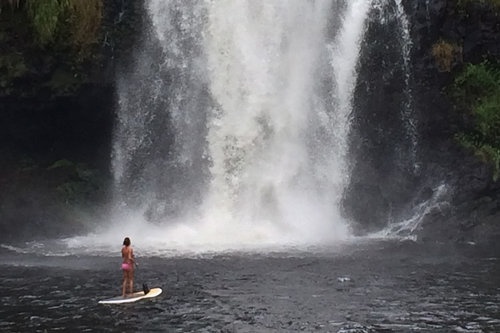
The variety is the real draw. Within minutes you can shift from shallow reef snorkeling—where cast shadows of surgeonfish and the occasional honu (green sea turtle) weave through coral fingers—to stand-up paddleboarding in protected inlets that feel like private lagoons. For those who want to push outward, guided boat trips unlock deeper reefs, seasonal whale-watching (offshore winter months), and small-scale offshore fishing that trades the bustle of larger ports for a more personal day at sea. Inland streams and cascades are a short drive away; many routes end in plunge pools that offer a fresh-water counterpoint to salt-spray days.
Beyond the checklist of activities, Wainaku’s character matters. This is a place where Hawaiian place names and local practices shape how the coastline is used—respect for reef ecosystems, an emphasis on small-boat stewardship, and a welcoming network of outfitters who will point you to the best tide windows and tide-pool etiquette. That local knowledge protects both the water and the experience: you’re not just watching wildlife, you’re learning how to move in a living system.
From a planning perspective, Wainaku is unusually forgiving. Many water activities are accessible to beginners with a quick lesson—intro SUP, beginning snorkeling in calm coves, or a reef-safe guided snorkel trip. But there’s enough complexity for the practiced adventurer too: ocean-surf entries, open-water paddling between small points, and fishing that demands both patience and a respect for changing swell and wind. Seasonal patterns matter—trade winds in summer can animate the sea, while winter swells may bring powerful surf to exposed points—so timing your outings and checking local forecasts is as essential as packing reef-safe sunscreen.
Finally, Wainaku’s proximity to Hilo and to quieter inland routes makes it a smart base for combining water days with rainforest walks, waterfall swims, and cultural stops. A morning in the bay can be followed by an afternoon chasing cascades upriver, or an evening learning about local fishing traditions from a guide who grew up on these shores. The result is a water-focused itinerary that feels both island-deep and refreshingly personal.
Accessible variety: sheltered bays for beginners, offshore charters for experienced anglers and snorkelers, and nearby freshwater swims inland.
Local stewardship shapes the experience—expect reef etiquette, small-group outfitters, and advice tuned to tide and wind windows.
The harbor is the gateway, and the Pacific becomes the classroom.
Seasonal shifts (trade winds, winter swells, and the winter whale season) influence what’s possible day-to-day; mornings are usually calmest.
Choose by purpose
Whale watching, snorkeling, sunset sailing, cultural canoeing, harbor sightseeing, or private chartering.
Start near the city
Waikiki and Honolulu Harbor are primary hubs, with some trips launching near Hanauma Bay.
Confirm the vessel
Gangways, shaded seating, and boarding requirements vary according to vessel size and operator.