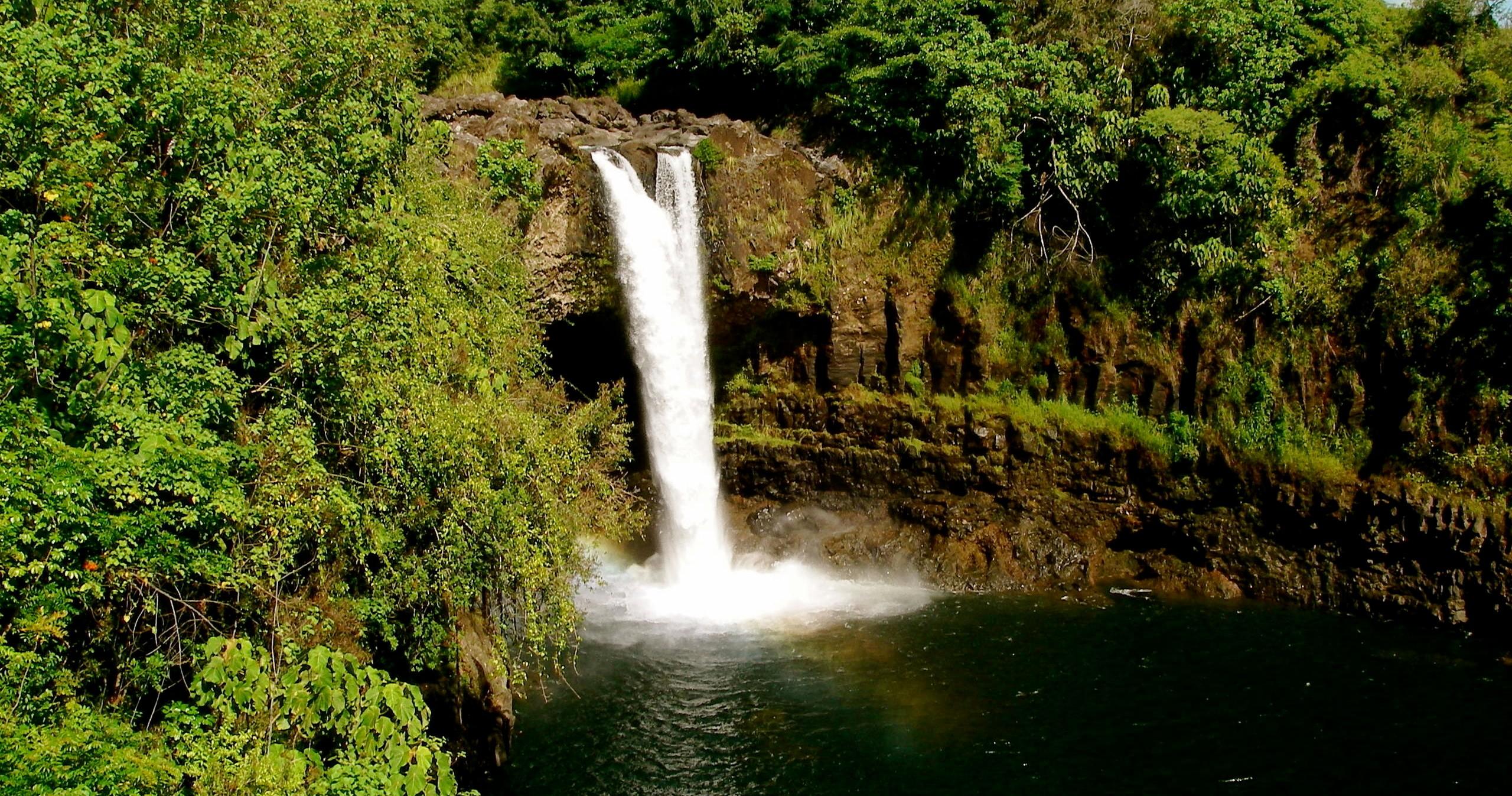
Why Wainaku Is a Standout Zipline Destination
Nestled along Hawai‘i’s Hamakua Coast, Wainaku is the kind of place where the landscape composes drama at every turn: steep, rainforest-carved valleys, narrow ridgelines, and an exposed coastline that compresses lush inland growth within eyesight of the ocean. For zipliners this is ideal terrain. Lines are often routed to take full advantage of vertical relief—long, swooping cables that launch riders over canopy galleries, cross dramatic gulches, and finish on ridges with sweeping views of the sea. Unlike flatland canopy courses, Wainaku’s setups emphasize altitude changes and visual variety. Flights move from intimate runs threaded through ohia and uluhe to high, open-air stretches where the wind becomes a tangible part of the ride.
Beyond pure thrills, Wainaku’s ziplines are woven into the island’s cultural and agricultural tapestry. Many operators are small, locally-run enterprises that place emphasis on interpretive guiding: you’ll hear about native plants and the legacy of sugar and coffee cultivation, see terraced hillside plots and historic remnants on approach trails, and sometimes pause at lookout platforms where guides point out seabirds, lava-formed coastline, or distant Mauna Kea. That interpretive layer transforms a zipline outing into a compact natural-history tour—an efficient way to experience both adrenaline and context on a limited schedule.
The region’s microclimates also shape the experience. Trade-wind-driven showers are common and can briefly darken visibility or slick platforms, but they also feed the waterfalls, keep the canopy lush, and refine the sensory experience: the smell of wet earth, the sound of water in valley bottoms, and the sudden sunlight that can follow a passing squall. Because courses are typically guided and run in small groups, operators are adept at managing conditions—rescheduling, adjusting line order, or pausing runs for safety. That said, visitors should come prepared for humidity, a short hike to platforms in some cases, and the kind of footwear and layering that matters in rainforest environments.
Practically speaking, Wainaku presents a compact zipline scene: fewer, more curated operators rather than a cluster of large resorts. That means booking in advance, especially on weekends and holiday weeks, and choosing an operator whose emphasis—speed and length of lines, family-friendly harness systems, or combined eco-adventures—matches your goals. Combine a morning zipline with an afternoon waterfall hike, a visit to a local coffee farm, or a quiet snorkel session off nearby coves and you’ll get the broad-brush experience of the Hamakua Coast in a single, full day. For planners, accessibility is friendly: courses are reachable from Hilo within a short drive, making Wainaku an efficient add-on to a Big Island itinerary without long transfers.
The variety is the draw: long, open-flight zips that maximize airtime; shorter technical crossings that thread dense canopy for a sense of speed and proximity to forest life; and integrated tours that pair zipline runs with hikes, waterfall stops, and cultural storytelling about native flora and historic plantation landscapes.
Seasonality and microclimate matter. The driest months (generally spring through fall) offer the clearest views and more predictable operating conditions, while the wetter winter months can bring higher water levels and more frequent short delays but also more dramatic waterfall scenery and lusher forest growth.
Choose by purpose
Whale watching, snorkeling, sunset sailing, cultural canoeing, harbor sightseeing, or private chartering.
Start near the city
Waikiki and Honolulu Harbor are primary hubs, with some trips launching near Hanauma Bay.
Confirm the vessel
Gangways, shaded seating, and boarding requirements vary according to vessel size and operator.