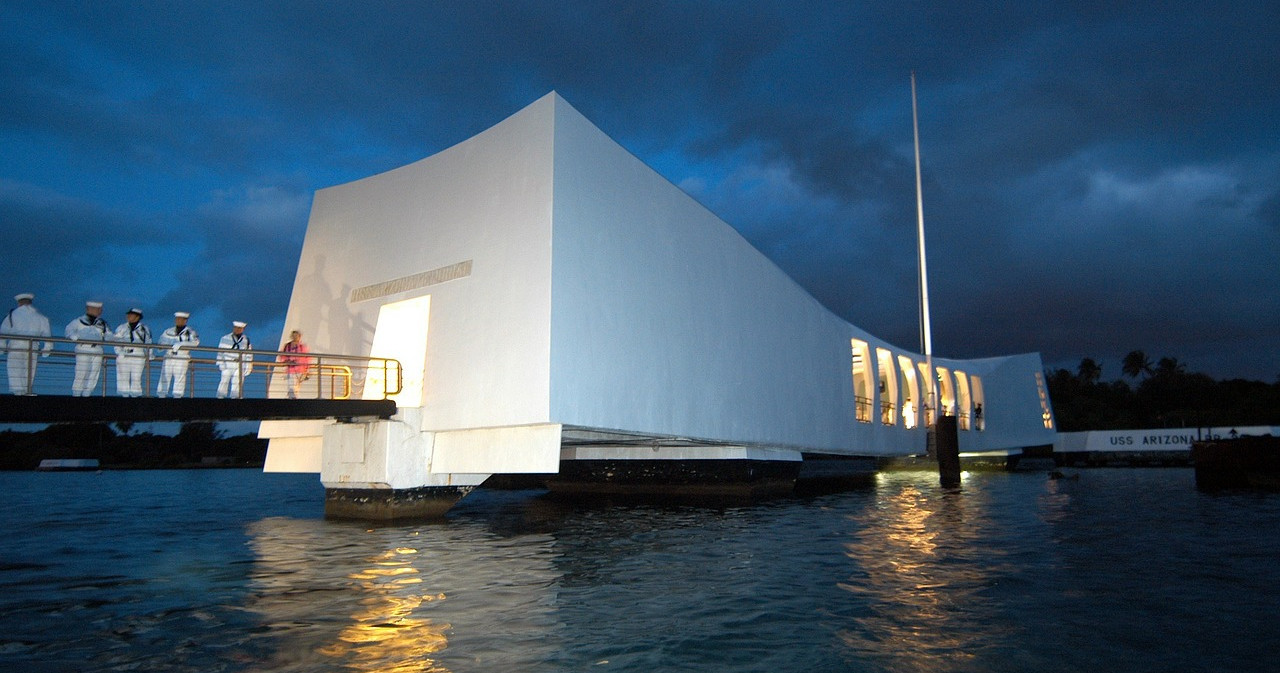
From the moment the hull parts glass-calm water into the waking light above Pearl Harbor, boat tours operating out of the Waipahu area feel like short chapters of island history and marine life stitched together. This stretch of Oʻahu’s leeward coast packs dense contrasts: sheltered harbors where history sits in steel and stone, broad reef flats that tangle with clear-water snorkeling lanes, and open blue that leads to deepwater fishing and seasonal whale corridors. Boat operators use this compact variety to offer curated experiences—some tours are narrative driven (WWII and maritime culture), others are ecological (reef ecology and native species), while many are purely recreational (snorkel stops, sunset sails, and game-fishing charters). The result is a day on the water that never feels generic; it reads like a local guidebook delivered by a captain who knows the swell patterns, the best turtle-cleaning ledges, and which cove will hold wind for a graceful sail.
Practical conditions make Waipahu particularly attractive for a wide range of travelers. The leeward position of West Oʻahu often yields calmer sea states in the morning; operators commonly schedule snorkeling and family-oriented excursions for early departure when transparency and smoothness are at their peak. Afternoon trade winds can pick up enough to give sail-based tours drama and speed but may roughen small-boat rides, a factor operators and passengers both should mind when choosing time of day and vessel type. Because boat tours here intersect with protected reefs, naval facilities, and culturally sensitive shorelines, many reputable companies fold interpretive elements into their itineraries—educating guests about marine conservation, the historical significance of Pearl Harbor, and protocols for respectful wildlife viewing.
Environmental stewardship is a through-line among the best outfits. Guides often emphasize reef-safe sunscreen, no-touch policies for corals and turtles, and how traditional Hawaiian fishponds and loko iʻa once shaped coastal life—an important cultural note for visitors whose sense of place may begin on deck. Seasonally, whale watching between December and April brings another agenda of interest: slow, majestic encounters with humpbacks, combined with educational commentary about migration and the marine protected areas offshore. For travelers planning logistics, the compact geography of Waipahu means short transfers from lodging, quick provisioning before departure, and a diverse menu of trip lengths—two-hour harbor tours to full-day island circumnavigations—making boat trips here accessible for families, active adventurers, and those seeking contemplative afternoons on the water alike.
Waipahu’s proximity to Pearl Harbor makes history a natural companion on many boat tours—expect interpretive stops, memorial views, and the chance to contextualize the coastline’s role in 20th-century events.
Leeward-coast reefs offer excellent snorkeling for beginners and families—operators tend to choose protected lagoon spots with shallow reefs and strong visibility.
The harbor is the gateway, and the Pacific becomes the classroom.
Seasonal wildlife lines the calendar: spinner dolphins and green turtles are regular sightings, while humpback whales dominate winter itineraries between December and April.
Choose by purpose
Whale watching, snorkeling, sunset sailing, cultural canoeing, harbor sightseeing, or private chartering.
Start near the city
Waikiki and Honolulu Harbor are primary hubs, with some trips launching near Hanauma Bay.
Confirm the vessel
Gangways, shaded seating, and boarding requirements vary according to vessel size and operator.