City Tour: Waipahu, Hawaii — Plantation Streets & Local Flavors
Waipahu City Tour Guide

City Tour: Waipahu, Hawaii — Plantation Streets & Local Flavors

Waipahu is a compact, layered town where the hum of former sugar mills meets the smells of freshly cooked plate lunches and poi. A city tour here is less about marquee monuments and more about encountering everyday aloha: plantation-era villages, community gardens, neighborhood markets, and the stories stitched into sidewalks and storefronts. This guide focuses on walking and short transit loops that reveal Waipahu’s cultural mosaic while pointing to nearby outdoor diversions across West Oahu.

Plantation HistoryCultural Walking TourWest OahuLocal Food Scene

Live destination inventory

Top City Tour Trips in Waipahu

72 trips · Book with confidence · Instant confirmation

The prototype intentionally does not invent replacement trip cards or add images that are not already part of the live source page.

The city from the water

Why Waipahu Is a Standout City Tour Destination

Waipahu reads like an open-air history book written in multiple tongues. Once a hub of Oahu’s sugar industry, the town keeps that labor history close—blocked streets and modest bungalows tell of an era when transplanted workers from the Philippines, Japan, Korea, Portugal, and other places converged here to build community. A city tour in Waipahu is not a race to a single landmark; it’s an invitation to move slowly and listen. You’ll find museums housed in repurposed plantation structures, markers embedded in neighborhood parks, and murals that remap memory across block after block. The cadence of the town is human-sized: comfortable for walkers, easy to connect by bike or TheBus, and full of pockets where time feels more patient. The pleasure of a Waipahu tour comes from the textures—corrugated roofs, palms leaning over sidewalks, the bright vinyl of market stalls, and the low, steady cadence of conversation in multiple languages. Food is a central thread. Local diners, food trucks, and market vendors serve the kinds of hybrid dishes that were born from shared lunch pails and late shifts: plate lunches built for strength and flavor, sweet tropical treats, and savory bites that refuse to be called by a single origin story. Culinary stops on a tour are also social stops—chats with proprietors, recipe origins shared across counters, and the chance to watch a community keep its rituals alive. Beyond history and food, Waipahu is a practical base for short outdoor detours. The town sits near West Oahu’s agricultural flats and offers easy access to shoreline parks, shoreline walks to the southwest, and trails that rise toward the Waianae foothills. A well-planned city tour can pair neighborhood walks with a late-afternoon beach visit, a sunset drive to a west-side lookout, or a short hike that rewards you with broad island views. In all seasons, trade winds and occasional brief showers shape the day; these shifts add to the sensory record of the place rather than diminish it. For travelers who come to Hawaii seeking staging posts with polished visitor centers and oceanfront hotels, Waipahu offfers a different currency: authenticity, quiet observation, and direct human connection. A city tour here is most rewarding when anchored in curiosity—take time to ask where a mural came from, why a street is named as it is, and which dish in a display case belonged to someone’s grandmother. That willingness to listen folds the visitor into the town’s daily life, and in return Waipahu reveals itself not as a backdrop but as a place worth walking through slowly.

Waipahu’s story is inseparable from plantation labor and migration: tours that emphasize lived history—museums, preserved camps, and oral-history stops—illuminate how food, language, and architecture evolved here.

The town’s compact layout makes it ideal for self-guided walking loops, short guided neighborhood tours, or a bike-based exploration that connects parks, markets, and cultural sites.

The harbor is the gateway, and the Pacific becomes the classroom.

Climate is mild year-round; expect trade-wind afternoons and occasional brief showers that tidy streets and sharpen colors—plan shorter outdoor segments for midday and leave room for impromptu indoor visits to local markets.

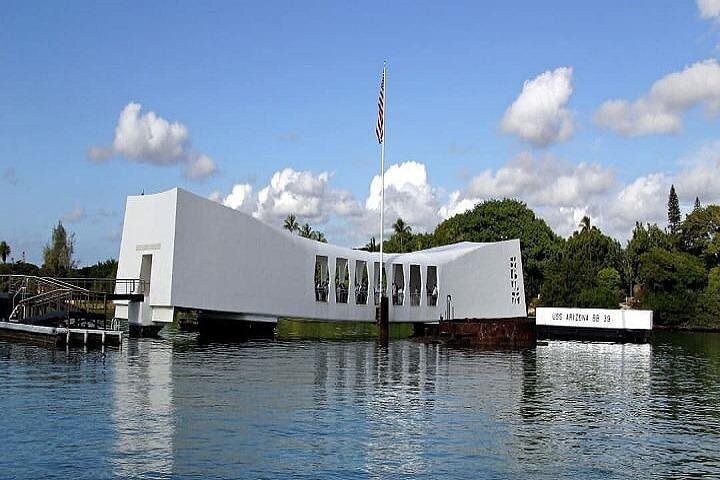
Pair a Waipahu city tour with outdoor activities nearby: coastal walks, west-side beaches at sunset, low-elevation hikes into the Waianae foothills, or a historical detour to Pearl Harbor for broader context.

Activity focus

Choose by purpose

Whale watching, snorkeling, sunset sailing, cultural canoeing, harbor sightseeing, or private chartering.

Departure hubs

Start near the city

Waikiki and Honolulu Harbor are primary hubs, with some trips launching near Hanauma Bay.

Accessibility

Confirm the vessel

Gangways, shaded seating, and boarding requirements vary according to vessel size and operator.
Seasonal planning

Best Time to Visit

Waipahu is warm year-round, but wind, swell, migration, visibility, and demand change the best match between traveler and trip.

Waipahu boat tour
Year-round destination

Seasonal highlights change the reason to go

Winter favors humpback encounters; warmer, calmer months favor snorkeling visibility and smoother water.

Humpback season

Summer months (June–August) and December–January holidays bring increased visitors across Oahu, which can affect transit and parking.

Prime whale watching, winter holidays, higher demand, and earlier sell-outs.

Snorkeling window

April–May–September–October

Typically gentler seas and clearer water for snorkeling trips.

Weather notes

Trade winds year-round

Waipahu has a tropical climate with warm temperatures year-round. Trade winds tend to keep conditions pleasant; expect higher humidity in summer and short, localized showers in the afternoons. Mornings are often the driest window for walking tours.

Quieter opportunities

Late spring & summer weekdays

Late spring and early fall offer fewer crowds, easier access to local parking, and more attentive service at neighborhood eateries.

Match the trip to your comfort

Choose Your Experience Level

Low effort

Beginner

Short, flat walking loops focused on the town center, a plantation museum stop, and a couple of food or market breaks—low effort and great for families.

  • Short historical walking loop
  • Museum visit with audio/interpretive exhibits
  • Neighborhood food crawl (one or two stops)
Active day trip

Intermediate

Half-day tours that mix walking with transit or biking, include multiple cultural sites, and add a short coastal or park walk nearby.

  • Guided cultural tour plus market visits
  • Bike loop connecting parks and historic sites
  • Combined city tour and sunset beach stop
Longer or technical

Advanced

Full-day deep dives that pair urban exploration with nearby outdoor activities—photography-focused itineraries, oral-history interviews, and hikes into the Waianae foothills.

  • Multi-site cultural research walk
  • Photography and street-food documentation tour
  • City tour combined with a longer west-side hike or coastal exploration

Prepare for sun, spray, and swell

What to Bring

Essential

Core kit

  • Comfortable walking shoes (sneakers or light hiking shoes)
  • Sun protection: hat, sunscreen, sunglasses
  • Reusable water bottle and small snacks
  • Phone with offline maps or a downloaded route
  • Light rain shell or packable poncho
Recommended

Useful extras

  • Small daypack for purchases and water
  • Portable battery pack for photos and maps
  • Notebook or voice recorder for notes on oral-history stops
  • Reusable shopping bag for market finds
Optional

Trip-specific

  • Compact umbrella for tropical showers
  • Binoculars for birding along green spaces
  • Light camera for street and food photography
Respect local customs, listen first, and prioritize small businesses—most of the town’s personality lives in community-run shops and eateries.

Insider Tips & Local Knowledge

Reserve whale-watching and popular sunset cruises well ahead during December–April.
Choose morning snorkeling departures for calmer seas and better underwater visibility.
For motion sensitivity, choose a larger vessel, sit mid-ship, and take preventative medication before boarding.
Do not touch coral or wildlife, avoid standing on reefs, and use reef-safe sunscreen.
Community-based operators may add context about traditional navigation and stewardship.
Arrive early for parking and check-in because Waikiki departure areas can be busy.

Planning questions

Frequently Asked Questions

Self-guided walking loops can run 1–3 hours depending on stops. A paced, food-focused tour or one that includes museums and a short nearby hike can take a half or full day.
City Tour: Waipahu, Hawaii — Plantation Streets & Local Flavors
Ready for your city tour adventure?

Browse 72 verified trips in Waipahu.

Compare current availability and book with instant confirmation.

Explore Waipahu city tour