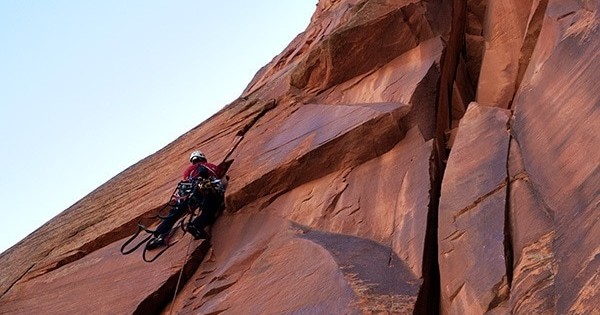
Why Wakefield Matters for Climbers
Wakefield offers a form of climbing that prizes intimacy, variety, and connection to the water: short, characterful crags whose approaches are spare and whose lines are often hand-sized and absorbing. Unlike the long, polished faces of bigger mountain regions, the climbs here are human-scaled—ideal for top-rope sessions, teaching fundamentals, or spending a half-day dialing in technique between swims at a nearby lake. The town’s modest rock outcrops are threaded through a landscape of lakes, beaver wetlands, and mixed northern hardwoods; that combination creates memorable days where a morning of crack practice can segue directly into an afternoon paddle or a shoreline picnic. Climbers who come seeking lengthy pitches or high alpine exposure may find Wakefield too intimate, but those who enjoy deliberate movement, varied holds, and the social energy of short routes will find a productive playground.
There’s also a practical appeal to climbing here. Many of the approaches are short enough to allow for frequent laps, so you can focus on refining a single move or building endurance through repeats. The region’s schools of rock—small ledges with multiple options—are excellent for learning anchor building, belay communication, and route-reading in a low-consequence setting. Seasonal rhythms shape the experience: late spring and early fall bring the driest conditions and the most comfortable temps, while summer mornings are cool and lake breezes keep the rock pleasantly grippy until midday. Winter creates opportunities for ice formation and indoor training connections in nearby towns, though conditions are unpredictable and require solid winter skills.
Culturally, Wakefield sits at a crossroads of New England outdoor traditions. You’ll encounter weekend families launching kayaks, anglers working a cove, and local climbers who know which ledges dry fastest after rain. That mix keeps the vibe relaxed and collaborative: crag etiquette centers on sharing small parking areas, respecting private property, and keeping noise down near residential shorelines. For visiting climbers, Wakefield functions best when you treat it like a regional training ground—come ready to climb efficiently, respect access limitations, and relish the opportunity to combine climbing with lakeside downtime, short hikes, and seasonal wildlife watching. This is a place where the day’s best route might be the one you climb twice, then retell over a late-afternoon swim.
Short approaches and compact crags make the area excellent for skill-building, quick practice sessions, and families.
The local landscape encourages mixed-days—climbing matched with paddling, fishing, or scenic forest walks—and seasons influence both crowds and conditions markedly.
Choose by purpose
Whale watching, snorkeling, sunset sailing, cultural canoeing, harbor sightseeing, or private chartering.
Start near the city
Waikiki and Honolulu Harbor are primary hubs, with some trips launching near Hanauma Bay.
Confirm the vessel
Gangways, shaded seating, and boarding requirements vary according to vessel size and operator.