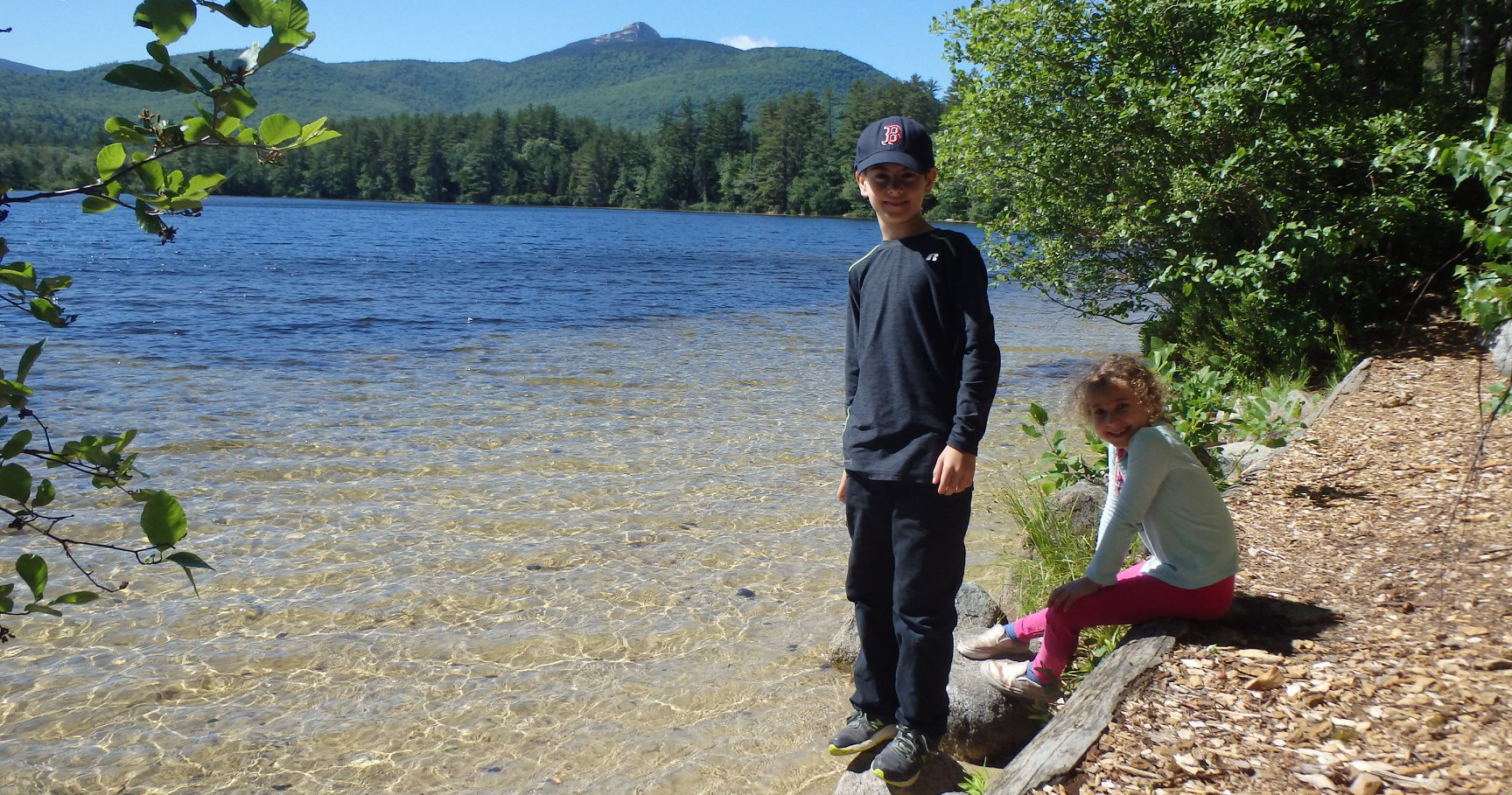
Wakefield is a study in scaled-down New England sightseeing—the kind that rewards slow attention instead of speed. There are no grand national parks here, no vertiginous overlooks; the pleasures are quieter but immediate: the glassy mirror of Great East Lake at first light, the hush of a canoe slipping past cattails, the wooden clapboard facades along Main Street that remember mill seasons and summer cottages alike. Sightseeing tours in Wakefield emphasize context as much as view: local guides fold in stories of fishing traditions and lumbering routes, boat captains point out seasonal nesting sites, and historical walks trace how the town’s identity has shifted between resource economy and lakeside leisure. The result is a travel experience that blends nature with culture—the kind of small-place storytelling that deepens a simple afternoon drive or a short harbor cruise.
Seasonality shapes sightseeing here in nearly obvious ways. Late spring brings the bright, new-leaf green that layers the shorelines, water levels that reveal wetlands, and a chorus of migrating songbirds—ideal for guided birding stops and gentle kayak tours. Summer produces warm days for longer boat excursions and guided evening cruises that catch the last light on the water. By September and October the trees turn, and a foliage-focused tour—whether by car, bike, or guided hike—becomes the clearest way to see Wakefield’s surrounding hills and lake rims glow. Even winter has its possibilities: clear, cold days reveal crystal views across the lakes and invite short, interpretive snowshoe walks around frozen verges, though many seasonal services pause for the off-season.
Terrain here is modest—rolling hills, lake shores, and small patches of mixed hardwood and pine—so sightseeing is broadly accessible. That terrain supports a variety of tour formats: guided walking tours through the village and historic cemeteries; driving loops that stitch lakeside overlooks with farm lanes; short boat cruises that translate local ecology into stories; and slow, interpretive bike rides along quiet roads. Accessibility is a strength: much of Wakefield’s best scenery is reachable without technical gear or steep climbs. Practical considerations matter, though. Parking in the village can be tight on summer weekends, and many lakeside access points are controlled by local associations that set rules for launching. Weather changes fast on open water, and insect activity in early summer can affect comfort on shoreline stops. A good sightseeing tour in Wakefield balances ease with prepared curiosity—arrive with a camera, a lightweight jacket, and an appetite for stories both natural and human.
Wakefield’s appeal is relational: lakes, roads, and the village feed into one another. A single afternoon can combine a historical walking tour, a lakeside picnic, and a short boat tour.
Local operators often pair activities—birding with photography workshops, or historical walks with visits to family-run farms and artisan studios.
The harbor is the gateway, and the Pacific becomes the classroom.
Travel rhythms are seasonal; plan lake-based tours from late May through September and foliage drives in September–October for peak color.
Choose by purpose
Whale watching, snorkeling, sunset sailing, cultural canoeing, harbor sightseeing, or private chartering.
Start near the city
Waikiki and Honolulu Harbor are primary hubs, with some trips launching near Hanauma Bay.
Confirm the vessel
Gangways, shaded seating, and boarding requirements vary according to vessel size and operator.