About This Adventure Destination
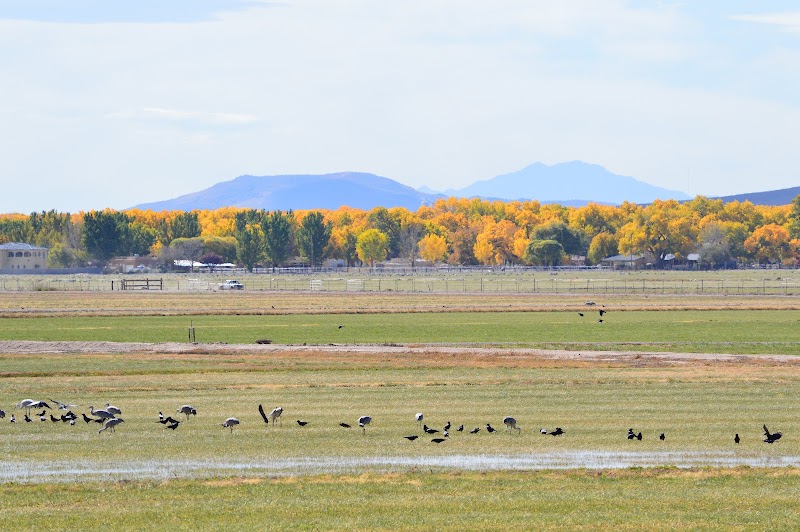
Located just south of Albuquerque, New Mexico, Valle de Oro National Wildlife Refuge offers a rare natural oasis within an urban landscape. This refuge was formerly an alfalfa farm but has been transformed into a thriving habitat dedicated to native plants and wildlife. The refuge spans hundreds of acres of wetlands, grasslands, and riparian areas, which provide critical habitat for migratory birds, mammals, reptiles, and insects. It stands out in an area otherwise shaped by development, offering a peaceful setting for nature lovers and wildlife enthusiasts.
The key features of Valle de Oro include extensive wetlands that support waterfowl and other bird species, native grasses, and a visitor center equipped with educational resources such as binoculars and bird guides. The Bosque Loop Trail is a popular walking path that makes the refuge accessible and enjoyable for visitors of all ages, with plenty of scenic views and opportunities to spot local wildlife. The refuge is part of a growing conservation effort to restore natural habitats along the Rio Grande corridor and improve biodiversity.
Valle de Oro originally was farmland, but since its establishment as a National Wildlife Refuge in 2012, the area has undergone ongoing restoration. Visitors can witness the slow but steady return of native plants and animals as the land recovers. This refuge is special because it balances conservation with urban accessibility, inviting visitors to connect with nature just minutes from the city. It highlights the importance of preserving natural spaces amidst expanding urban environments and offers a unique glimpse of New Mexico's ecological heritage.
Valle de Oro National Wildlife Refuge offers a valuable natural habitat in an urban setting with active conservation efforts and diverse local wildlife. While it is not a geological marvel or dramatic natural formation, it provides a rare opportunity to experience native ecosystems near a major city. Its evolving restoration and accessibility make it a meaningful destination for those interested in birdwatching and nature education but it is less iconic compared to major natural landmarks worldwide.