About This Adventure Destination
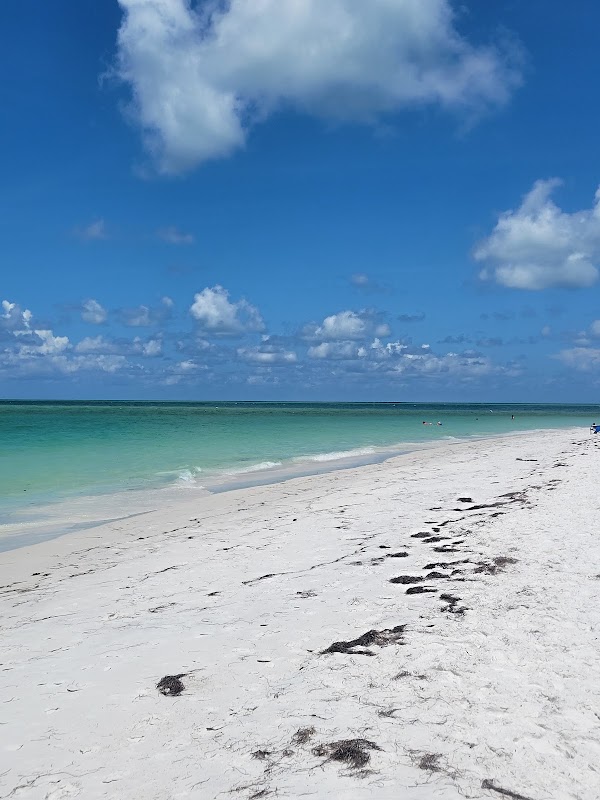
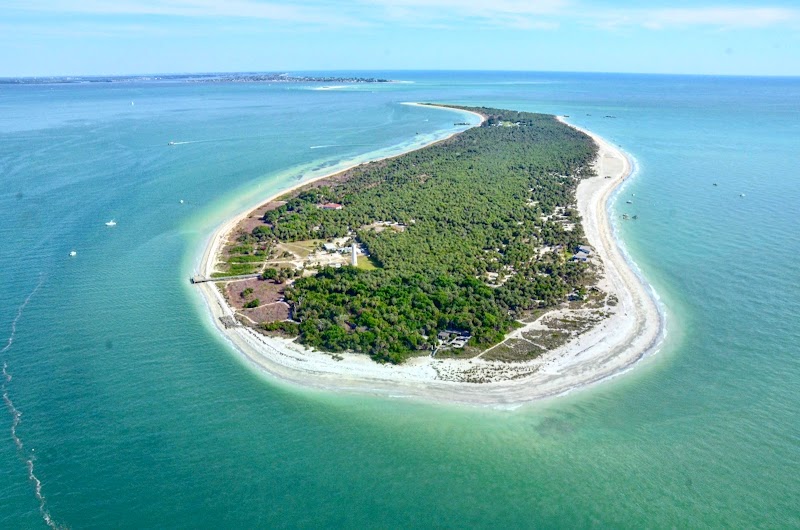
Passage Key National Wildlife Refuge, located near Anna Maria, Florida, is a pristine coastal sanctuary celebrated for its vital role in preserving native wildlife along Florida's Gulf Coast. Established in 1905, this small island refuge is especially important for bird conservation, serving as a critical nesting site for various seabirds including pelicans, skimmers, and terns. The refuge’s white sandy beaches and the surrounding clear, shallow waters create a striking natural scene distinctive to this region.
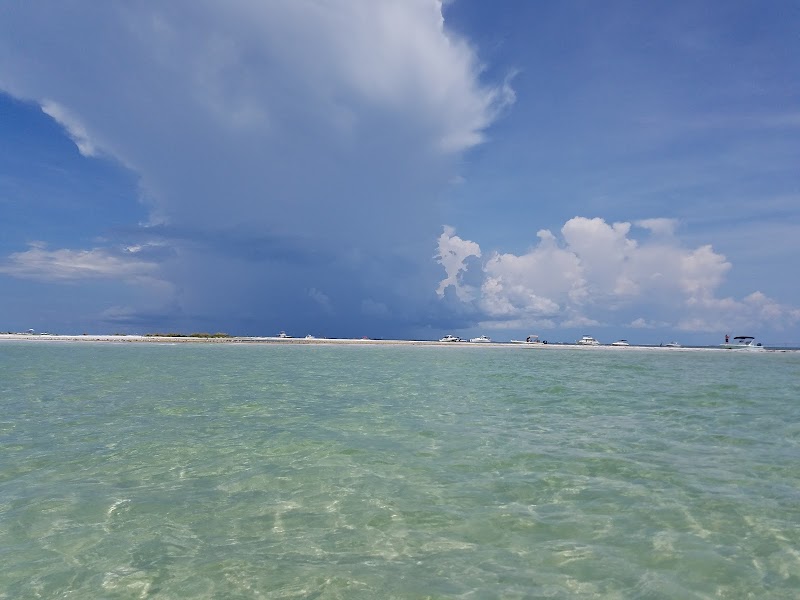
What makes Passage Key unique is not just its coastal charm but its strict protection status—public access to the island is limited to safeguard the sensitive habitat. This restriction helps maintain a peaceful environment where endangered and threatened species can thrive undisturbed. Bird watchers will appreciate the opportunity to observe large colonies of shorebirds during nesting season, while nature lovers benefit from the untouched coastal ecosystem observable from nearby waters or boats.
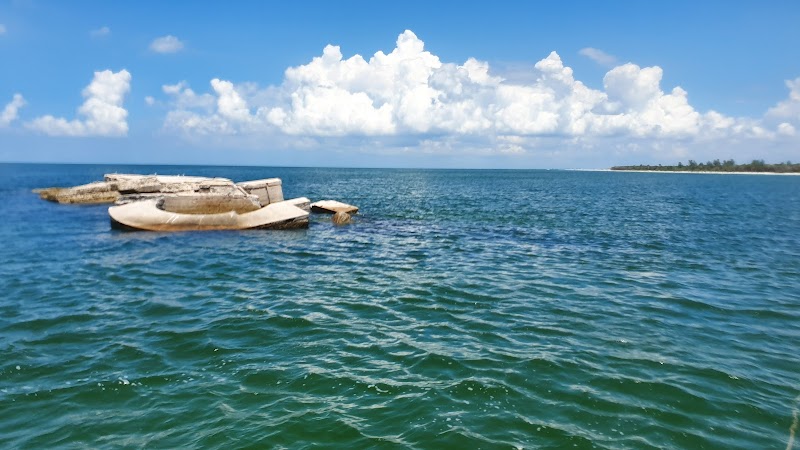
The island’s flat terrain and sand-based geology contribute to its delicate ecosystem, which is vulnerable to storms and erosion over time. Its surrounding waters support diverse marine life, offering glimpses of aquatic species that enrich this coastal refuge. Passage Key stands out among wildlife refuges in the region as a vital haven within the dynamic Florida Gulf environment, continuously supporting critical species despite environmental challenges.
For travelers seeking a unique glimpse into Florida’s natural heritage, Passage Key National Wildlife Refuge offers a stunning combination of wildlife viewing and coastal beauty. While land access is limited, nearby boat tours and paddling trips provide excellent vantage points to witness this special habitat in action, emphasizing the importance of protecting Florida’s fragile coastal ecosystems.
Passage Key is a remote and pristine wildlife sanctuary, acknowledged for its ecological significance and tranquil environment. Its uniqueness lies in its role as a key habitat for endangered seabirds, making it a distinctive retreat for nature lovers and bird watchers. Not extremely accessible, which helps keep its wilderness intact.