About This Adventure Destination
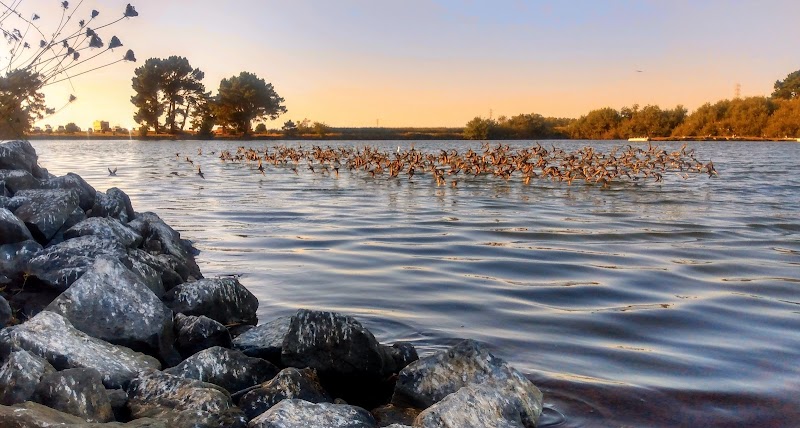
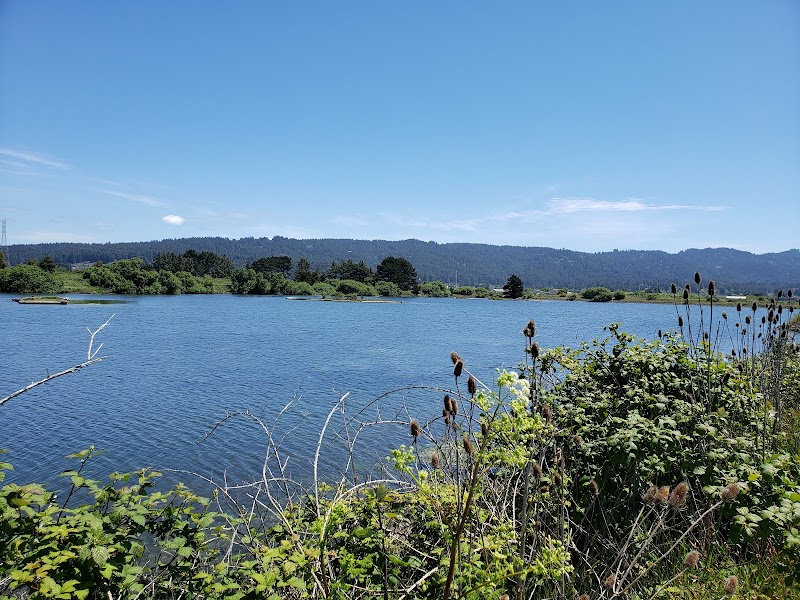
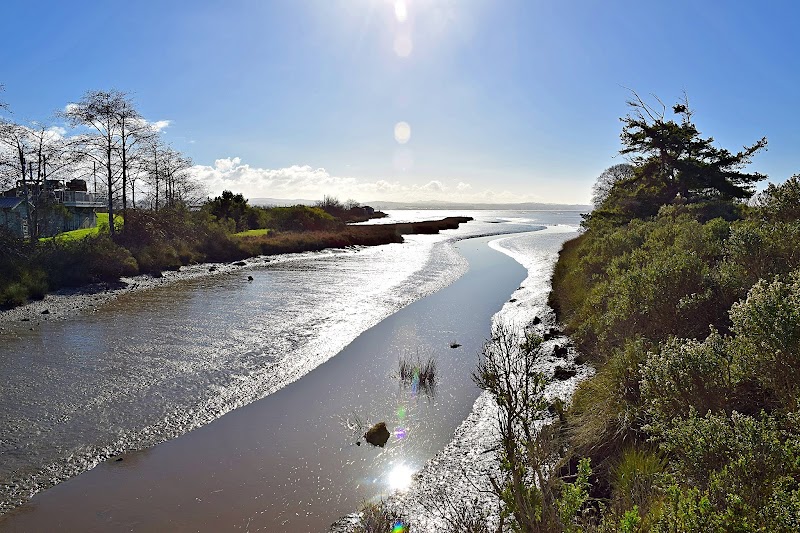
Arcata Marsh Interpretive Center, located in Arcata, Northern California, offers a striking blend of nature and sustainability. This unique wetland park serves as both a vibrant wildlife habitat and an innovative wastewater treatment system. Visitors can admire the thriving ecosystem where nature and human ingenuity coexist in balance. The marsh stands out for its wide variety of habitats, including freshwater ponds, tidal mudflats, and salt marshes, creating a haven for over 300 bird species, ranging from great blue herons to rare migratory waterfowl.
The site’s well-maintained trails invite visitors to walk through diverse ecological zones, allowing close encounters with native plants, birds, and even fungi. The Interpretive Center enhances the experience with educational exhibits that explain local wildlife and the marsh’s role in sustainable water management. It provides a hands-on learning environment for visitors of all ages, making it especially well-regarded by families and wildlife enthusiasts.
Historically, Arcata Marsh represents one of the pioneering projects integrating ecological principles into urban infrastructure. Established in the late 20th century, it demonstrates how city wastewater can be treated naturally while supporting rich biodiversity. Along the trails, one can see carefully designed wetlands that filter and clean water, a feature that reflects Arcata’s commitment to environmental stewardship.
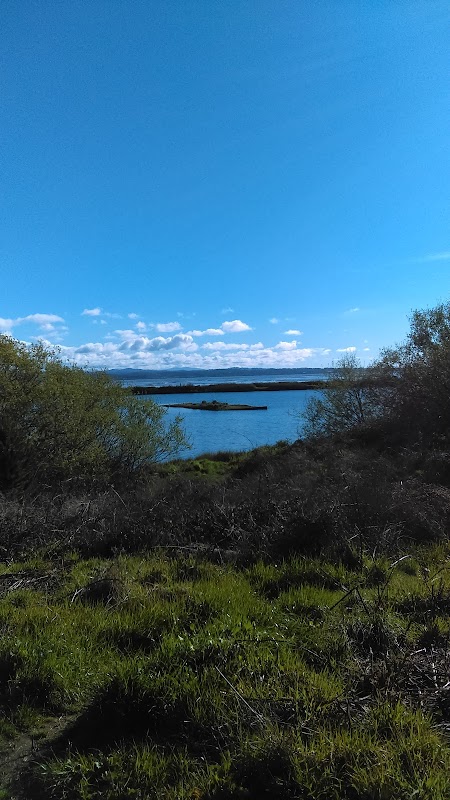
The serene views where the marshland meets the Pacific Ocean’s horizon create a peaceful setting perfect for quiet reflection or birdwatching. With welcoming staff, community-led tours, and interactive programs, this spot remains a cherished destination for those interested in nature, conservation, and outdoor learning experiences.
Arcata Marsh is a wonderful spot for wildlife observation and ecological education, offering unique wetland experiences. Its innovative approach to urban and nature integration is commendable, though it may not have the distinctive geological formations found in truly iconic natural landmarks.