About This Adventure Destination
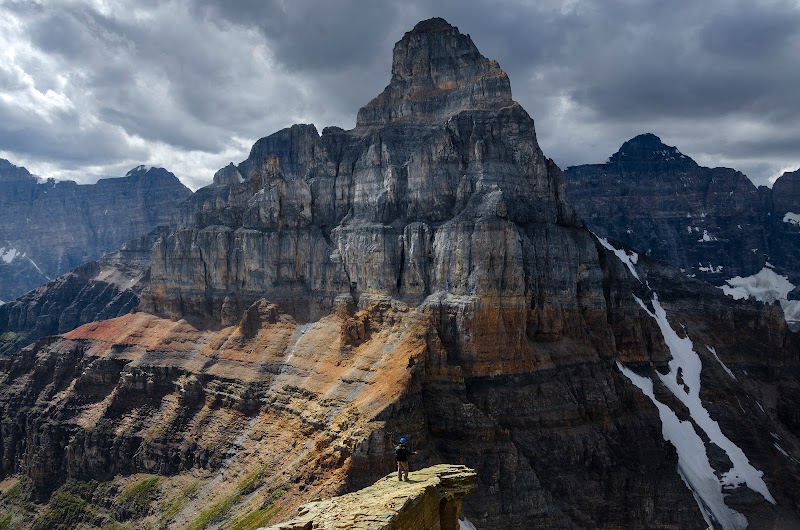
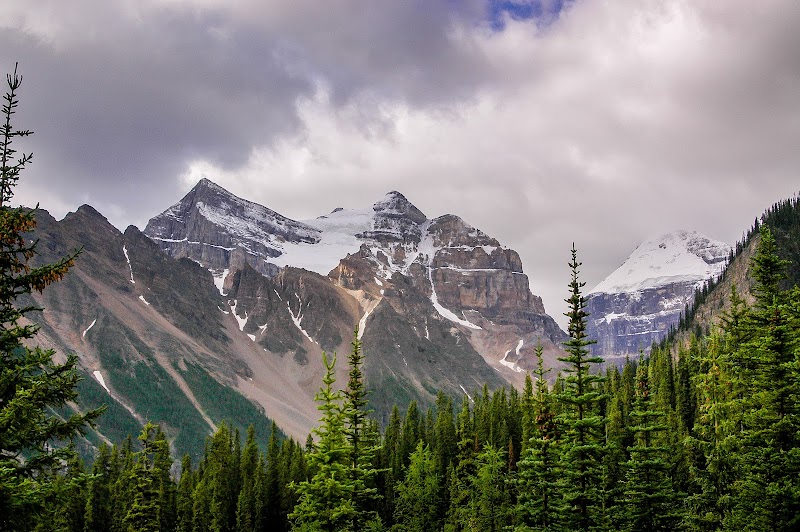
Fairview Mountain stands prominently within Banff National Park, Alberta, Canada, offering a dramatic natural spectacle against the backdrop of the Canadian Rockies. Visible from Lake Louise, this peak rises sharply, marked by rugged cliffs and patches of lingering snow, even in summer, reflecting the area's alpine climate. The mountain’s striking profile is composed primarily of sedimentary rock layers that tell the geological history of the region, shaped over millions of years. At its base is a dense forest of coniferous trees, creating a vivid contrast with the rocky slopes above. This mountain is a favorite for photographers and nature lovers who appreciate the blend of lush greenery with towering rock faces capped by snow. Fairview Mountain holds cultural significance as part of the traditional lands used by indigenous peoples for centuries, adding a layer of heritage to this awe-inspiring landscape. The mountain contributes to the rich biodiversity and serves as habitat to wildlife like mountain goats and marmots. Visitors often appreciate the varied colors and textures, from the deep greens of the forest to the gray and white shades of the rocky spires and ice. This area is also a key feature of the Banff National Park, which was established in 1885 as Canada’s first national park, underscoring its long-recognized importance for nature preservation and outdoor recreation. Both casual travelers and dedicated adventurers find the scenery around Fairview Mountain captivating, offering unforgettable views and opportunities to connect with nature in one of the most storied mountain parks in North America.
Fairview Mountain provides exceptional hiking opportunities and scenic beauty within Banff National Park, making it a well-loved natural destination. While it is striking and offers rewarding outdoor experiences, it is somewhat less known globally compared to iconic peaks like Mount Everest or the Matterhorn. Its combination of accessibility and scenic views ranks it highly but just below the top tier reserved for the very rarest and most unique natural landmarks.