About This Adventure Destination
Jordan Pond Path – Natural Serenity on Mt Desert Island
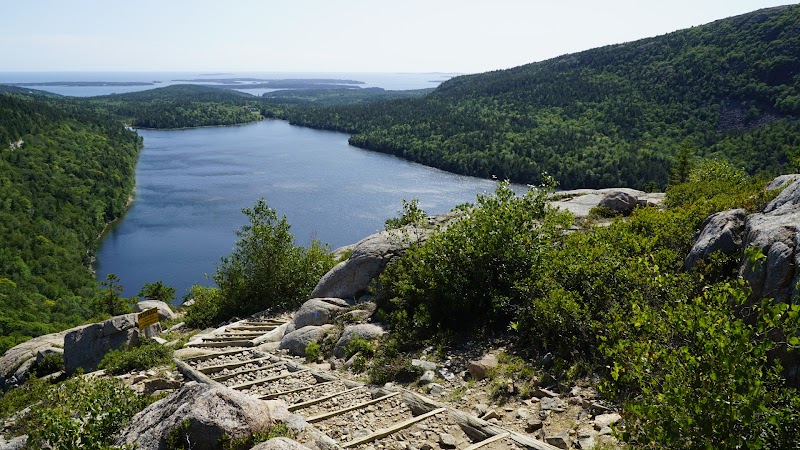
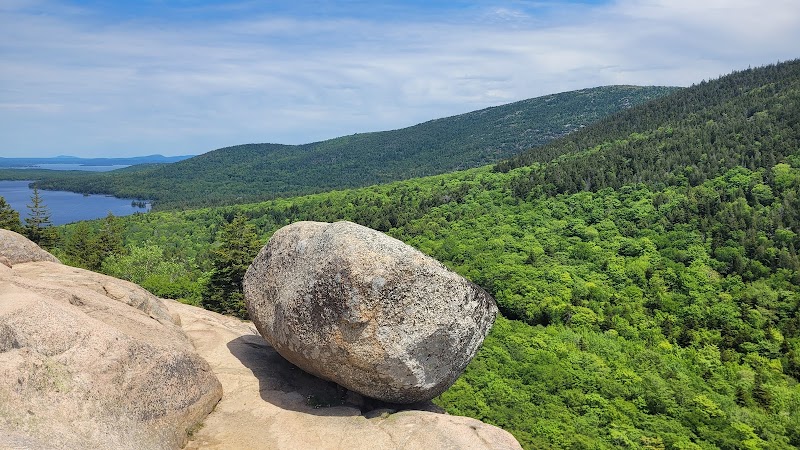
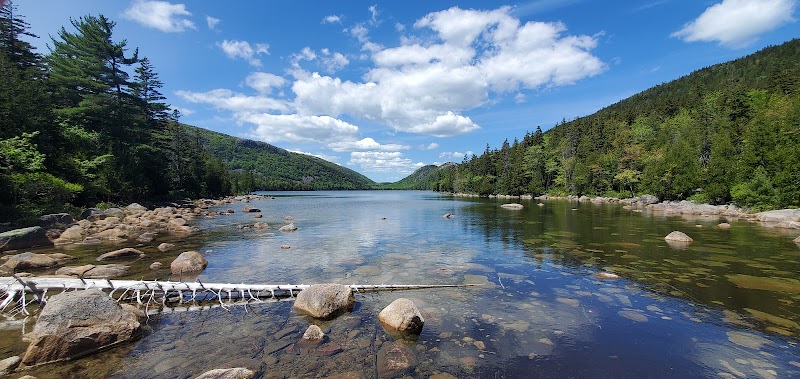
Jordan Pond Path is a refreshing outdoor destination located on Mt Desert Island in Maine. This picturesque trail loops around Jordan Pond, a crystal-clear glacial lake known for its pristine waters and striking views of the surrounding mountains, specifically the North and South Bubble peaks. The path is distinguished by its easy terrain with some rocky sections, making it accessible for families, casual hikers, and nature lovers alike.
The key feature here is the unique geology of the region — glacial activity shaped much of the landscape, leaving behind smooth, rounded rocks and clear, still waters that mirror the sky and tree-lined shores. The surrounding forest consists of classic New England flora, including a mix of hardwoods and evergreens. Wildlife sightings, from local birds to small mammals, add to the tranquil experience. The historic Jordan Pond House, famous for its tea and popovers, lies nearby, reflecting the area’s cultural heritage.
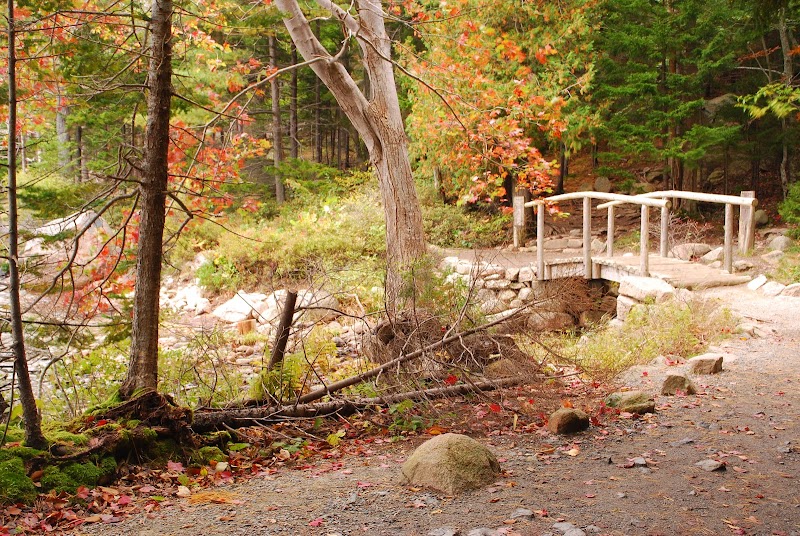
Jordan Pond's calm clarity and the views of bubble mountains make this path stand out among hiking options on the island. It's a peaceful haven away from busier spots within Acadia National Park, established in the early 20th century, ensuring its preservation. The path itself is about 3.3 miles and generally flat but features a scenic wooden boardwalk over the wetland areas.
Visitors enjoy the relaxing stroll, nature photography, birdwatching, and the chance to unwind amid stunning natural beauty. It’s suitable for all ages, making it a favorite for families. Whether visiting in summer’s lush greenery or autumn’s vibrant colors, Jordan Pond Path offers a welcoming and memorable nature experience.
Jordan Pond Path offers an accessible and stunning hiking experience with clear waters and mountain views typical of the Acadia region. While it provides a serene and charming natural setting, its landscape and features replicate many similar glacial lake trails common in the northeastern US. This gives it strong regional importance but limits its uniqueness on a global scale, placing it just below the top tier of iconic natural landmarks.