About This Adventure Destination
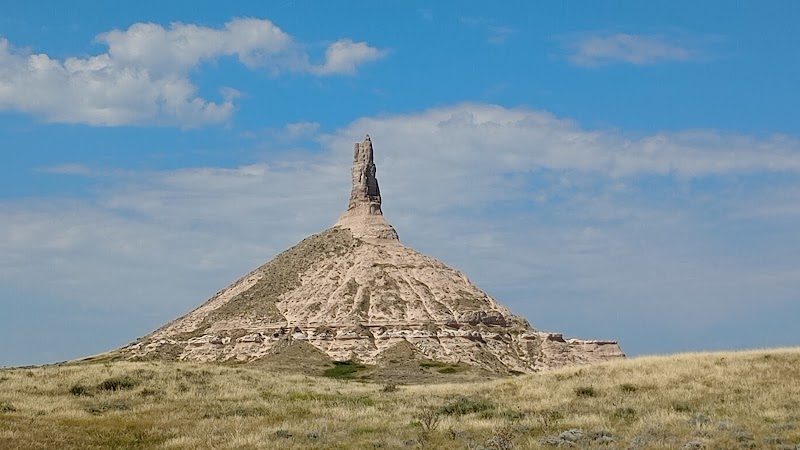
Chimney Rock National Historic Site, located near Bayard in western Nebraska, is a striking natural landmark that rises sharply from the sprawling Great Plains. This towering rock spire, shaped from Brule clay with a resistant sandstone cap, stands about 300 feet above the surrounding landscape, making it a rare geological feature in this part of the country. Its tall, narrow form was a key navigation point for pioneers traveling westward on the Oregon, California, and Mormon Trails during the 19th century, marking progress in their arduous journey.
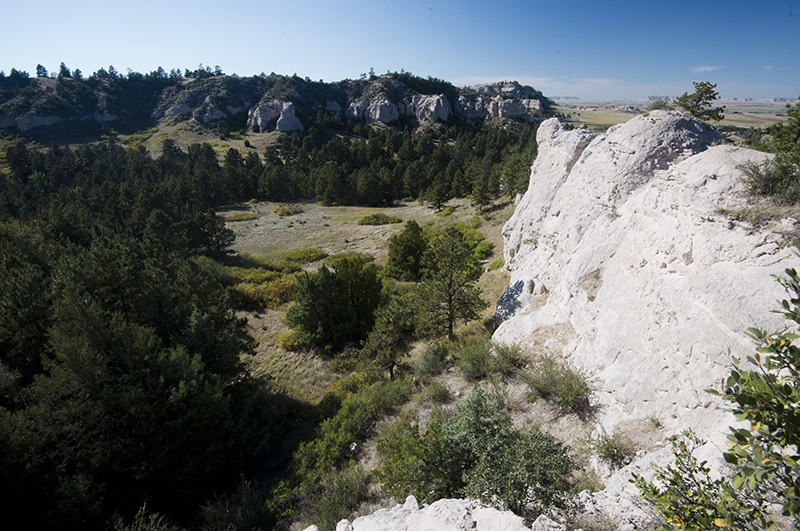
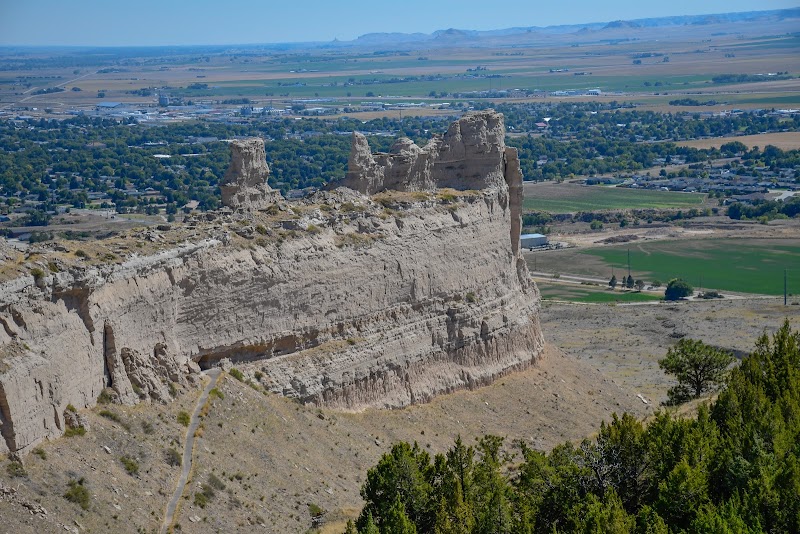
The site combines stunning natural scenery with deep historical importance. Visitors encounter rugged trails that wind near and around the rock, presenting opportunities to view wildflowers and native grasses that thrive in the semi-arid environment. The cliffs and formations here reveal layers of sediment deposited millions of years ago, offering insight into the region’s ancient geological past. The rock itself has stood for centuries against wind and weather, a silent observer of American migration and frontier life.
Nearby, a well-maintained visitor center provides educational exhibits on the settlers’ westward migration, local Native American history, and the geology defining Chimney Rock. While direct climbing on the formation is prohibited to preserve its fragile state, walking trails offer close-up vantage points and photographic views of the spire and the open plains beyond. With its blend of natural wonder and historical significance, Chimney Rock is a memorable stop for those passing through Nebraska’s Panhandle region seeking both outdoor beauty and a glimpse of America’s pioneering past.
250 words exactly
Chimney Rock earns an 80 due to its historical significance and unique geological features. While not as globally renowned as other natural landmarks, its cultural and historical impact on westward expansion makes it a compelling visit for history and nature enthusiasts alike.