About This Adventure Destination
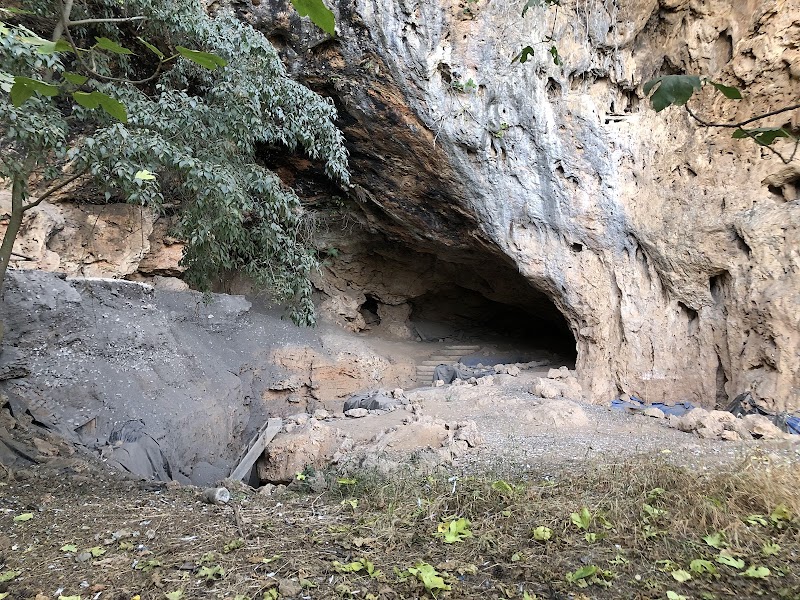
Pigeon Cave, located near Berkane in Morocco’s northeastern region, offers a remarkable natural landmark characterized by its dramatic limestone formations. This cave stands out in the area for its rugged entrance set into a steep rock face, where erosion has carved out a spacious hollow that beckons those interested in unique geological sites. The cave’s frame is formed of weathered, sedimentary rock typical of the Rif Mountains nearby, creating an impressive contrast between the dense forest foliage and bare stone cliffs. The entrance, broad and shadowy, leads deeper into natural chambers used by local wildlife, including pigeons that have inspired its name.
What makes Pigeon Cave particularly special is not just its geological composition but its cultural significance for local communities, who regard these caves as natural shelters and elements of regional folklore. Unlike more commercialized sites, this area retains a quiet, natural atmosphere that appeals to visitors looking for authentic outdoor encounters. The surrounding terrain includes scattered vegetation patches and rough rocky trails that enrich the experience for outdoors enthusiasts.
This location offers a fascinating glimpse into Morocco’s natural heritage and provides an accessible example of cave formation processes in the Rif Mountains. Pigeon Cave highlights local biodiversity and geological history, making it a standout destination for visitors who appreciate natural outdoor environments with cultural relevance.
This natural limestone cave offers notable geological interest and outdoor appeal but is somewhat lesser-known internationally and lacks widespread recognition beyond regional visitors. It scores well for natural beauty and cultural significance but doesn’t reach the highest global icon status given its niche appeal and limited infrastructure.