The Disappointment of a Canceled Whale Watching Tour: A Frustrating Experience
Whale watching is often hailed as one of the most awe-inspiring and humbling activities one can experience. The sight of a massive whale breaching the ocean’s surface, its majestic body soaring into the air, is a moment few forget. For many, a whale watching tour is a rare opportunity to witness these magnificent creatures in their natural habitat. So, when the excitement of a planned whale watching excursion turned into a frustrating and disappointing experience, it highlighted how crucial customer service and proper communication are in the tourism industry.
It all began when I, along with a group of friends, eagerly boarded the boat for a much-anticipated whale watching tour. We had planned the outing months in advance, based on glowing reviews and the anticipation of seeing these incredible creatures up close. However, our excitement quickly turned to confusion when, shortly after boarding, we were informed that the tour was being canceled due to “unfavorable weather conditions.” While we understood that safety is a top priority and weather can be unpredictable, the lack of proper communication and unhelpful staff turned what should have been a minor inconvenience into a frustrating ordeal.
Upon learning of the cancellation, the initial disappointment was somewhat tempered by the expectation that the staff would efficiently guide us through the next steps. After all, handling cancellations and unexpected changes is a common part of the tourism industry. However, the response from the staff was anything but helpful. There were no clear instructions about whether we could reschedule the tour, get a refund, or simply wait for a later time. Instead, the staff seemed disengaged, providing little more than vague reassurances that “things would work out.” When asked for more specific details, we were met with blank stares and responses that felt like they were coming from a script.
It became evident that the staff had not been adequately prepared to handle the situation. They offered no clear alternative options or even a refund policy, leaving customers feeling stranded and unheard. To make matters worse, there was a lack of empathy or acknowledgment of the frustration this caused. No one seemed willing to take responsibility for the lack of communication or the inconvenience of having traveled so far for a tour that was never going to happen. It became clear that the organization was unprepared for any disruption, and the absence of a structured protocol for cancellations only made the experience worse.
What was especially frustrating was the lack of transparency. In situations like these, customers appreciate timely, clear, and honest communication. If the weather conditions were indeed unsafe, we would have respected the decision to cancel the tour. However, the vague nature of the explanation made it difficult to trust that the decision was truly made with our best interests in mind. Were the conditions really dangerous, or were the cancellations due to poor management or operational issues? This uncertainty left many of us wondering whether we could ever trust the company again.
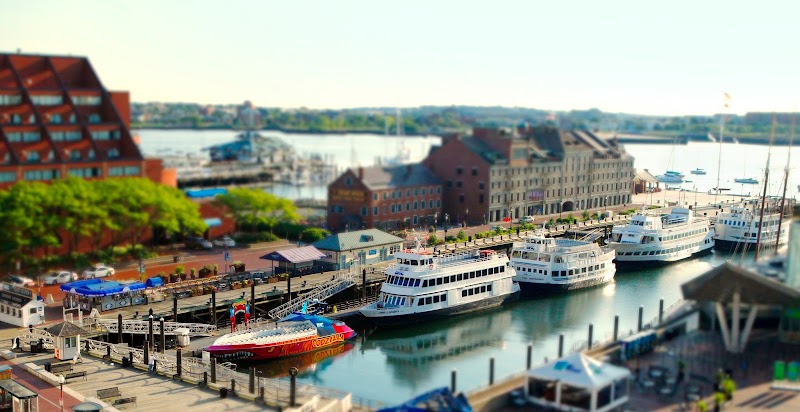
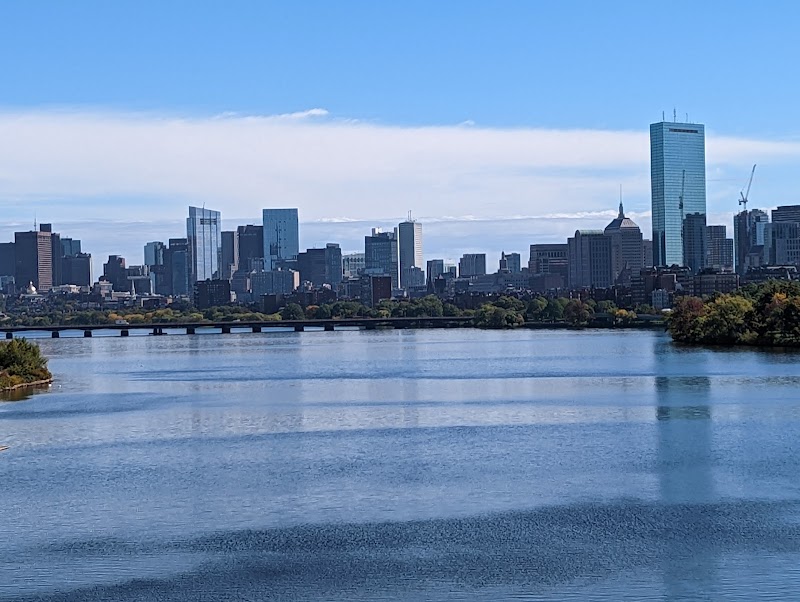
Despite these frustrations, there were some positive aspects. The scenery itself was still beautiful, and the harbor where the tour departed had a certain charm. But as much as we tried to appreciate our surroundings, the overriding sense of disappointment and the unhelpful attitude of the staff overshadowed everything. A trip that should have been a memorable adventure became an example of how poor customer service can ruin even the most well-intentioned plans.
In the aftermath of the canceled tour, I reflected on the importance of clear communication and customer care in the tourism industry. A tour company is not just offering an experience; it’s offering an opportunity for customers to create lasting memories. When things go wrong—whether due to weather, whales or the boat ride—it’s about the service that ties it all together.