About This Adventure Destination
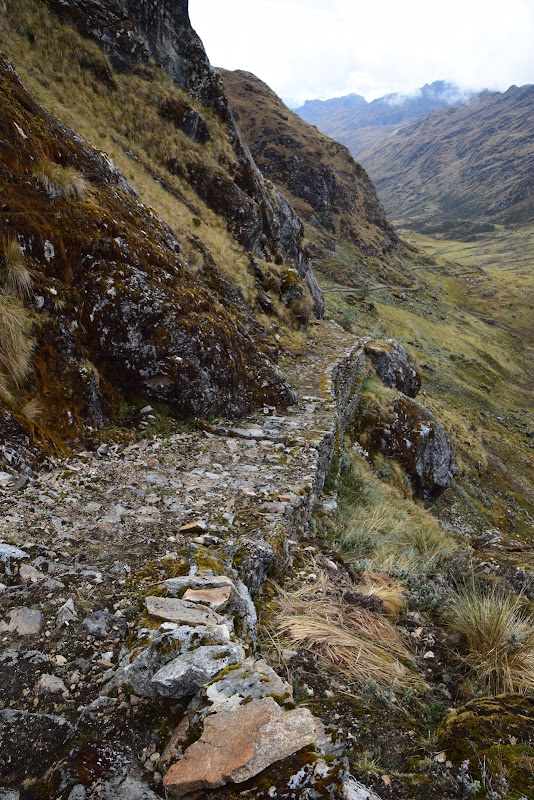
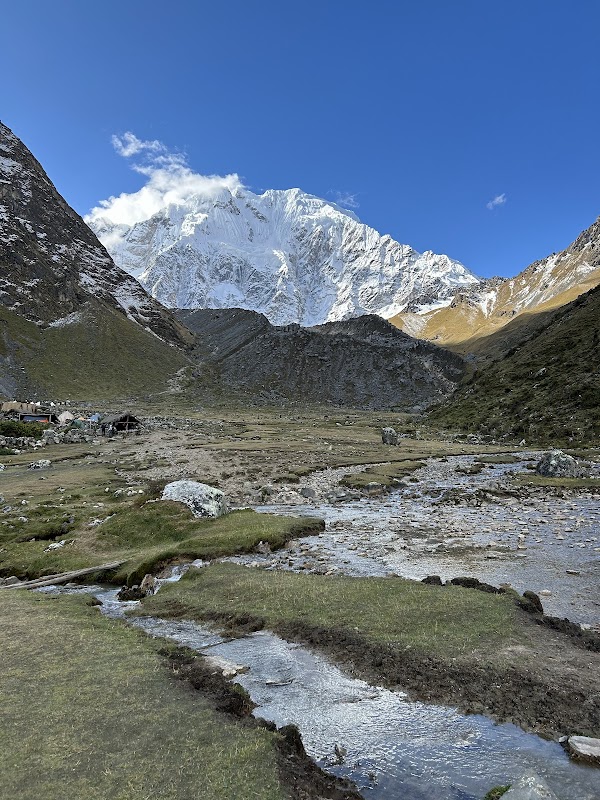
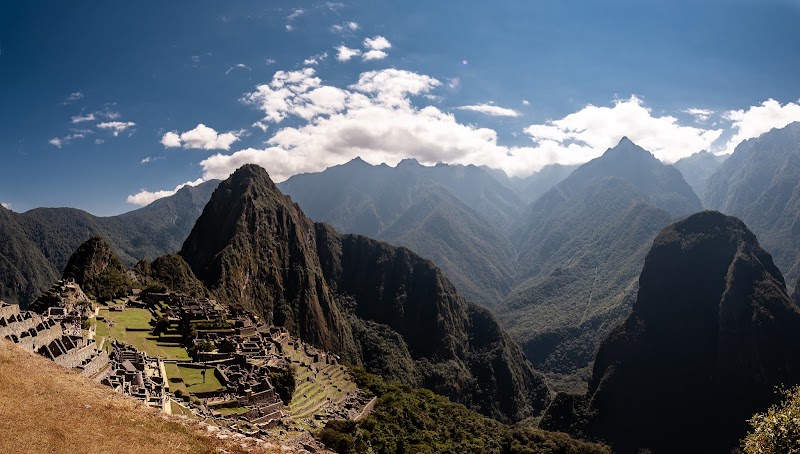
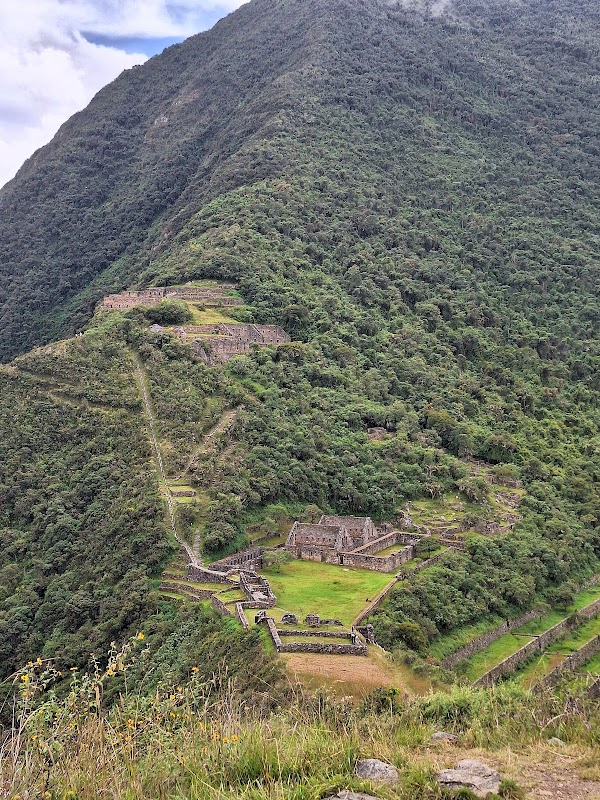
Choquequirao Archaeological Park, located in the remote Cusco region of Peru, offers travelers a rare glimpse of Incan heritage against a backdrop of rugged Andean mountains. This archaeological site is often compared to Machu Picchu but remains far less crowded, providing a more intimate experience amid the majestic scenery. The park features extensive stone terraces, ceremonial plazas, and temples that blend seamlessly with the steep, forested slopes of the Apurímac River canyon. The terraces are perched dramatically, carved directly into the mountainside with breathtaking views over deep valleys and winding rivers. The surrounding cloud forests are home to diverse flora including orchids and bromeliads, and the area supports wildlife like spectacled bears and Andean condors, making the setting uniquely vibrant and alive.
The preservation of Choquequirao's ruins is remarkable, showcasing advanced Incan stonework with trapezoidal windows and carefully fitted blocks. The site is believed to have served as a political and military outpost during the late 15th and early 16th centuries. Although archeological excavation continues, Choquequirao is accessible to travelers who appreciate a challenging hike combined with historical discovery. Its remote location, requiring a multi-day trek, makes each visit a rewarding adventure for those seeking a blend of cultural heritage and the raw beauty of the Peruvian Andes. Visitors will find fewer amenities compared to more popular tourist sites, enhancing the feeling of adventure and solitude in this impressive mountain park.
This location offers a remarkable outdoor hiking experience combined with rich cultural heritage in a unique natural mountain setting. However, because it is a mixture of man-made ruins situated within natural terrain, it does not qualify as a purely natural landmark. Its rating acknowledges its appeal for adventurous travelers seeking remote hiking and cultural immersion, but the presence of human structures prevents it from ranking among the highest natural landmark icons.