About This Adventure Destination
Located along Florida's Gulf Coast, the Big Bend Seagrasses Aquatic Preserve showcases one of the most extensive and ecologically significant seagrass habitats in the region. This protected coastal area stretches across the shallow waters adjacent to the Big Bend coastline, offering a rare glimpse into an underwater world vital for marine life and coastal stability. The preserve is particularly well-known for its vast meadows of turtle grass and manatee grass, which provide essential shelter and nursery grounds for species such as sea turtles, manatees, and various fish. The clarity of the water combined with gentle tides makes it an ideal spot for observing these unique underwater ecosystems.
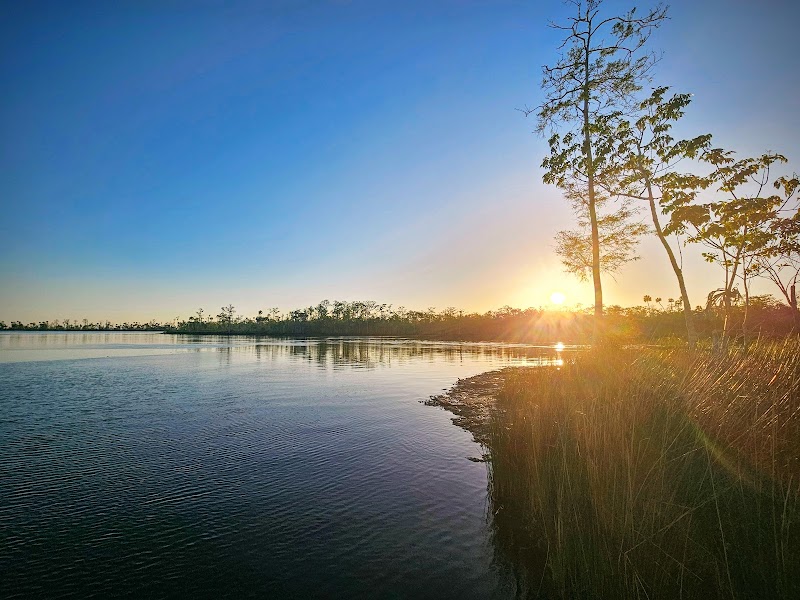
The landscape is predominantly aquatic, punctuated by salt marshes and mangrove shorelines that buffer the environment from storms and erosion. This balance of seagrasses and wetlands plays a crucial role in maintaining water quality and supporting biodiversity. Historically, the area has been central to indigenous communities and early settlers valuing its rich marine resources. Today, it remains a sanctuary for environmental conservation and scientific study.
Big Bend Seagrasses Aquatic Preserve stands out as a natural treasure along Florida's coast, offering visitors a chance to witness one of the most intact seagrass ecosystems in the United States. Its protection ensures the continuation of vital habitats that sustain both marine animals and coastal resilience, making it a vital outdoor destination for nature lovers and water enthusiasts alike.
Big Bend Seagrasses Aquatic Preserve offers a unique and well-preserved coastal ecosystem with significant ecological importance, making it an attractive destination for water-based outdoor activities. While it is a vital natural habitat and a tranquil spot for nature enthusiasts, it lacks the large-scale geological formations or overwhelming iconic status associated with the highest-ranked natural landmarks worldwide.