About This Adventure Destination
There’s a peculiar magic to hiking in Charleston—a city where cobblestone streets whisper history, but just beyond them lies the Palmetto Trail, a pathway to South Carolina’s untamed heart.
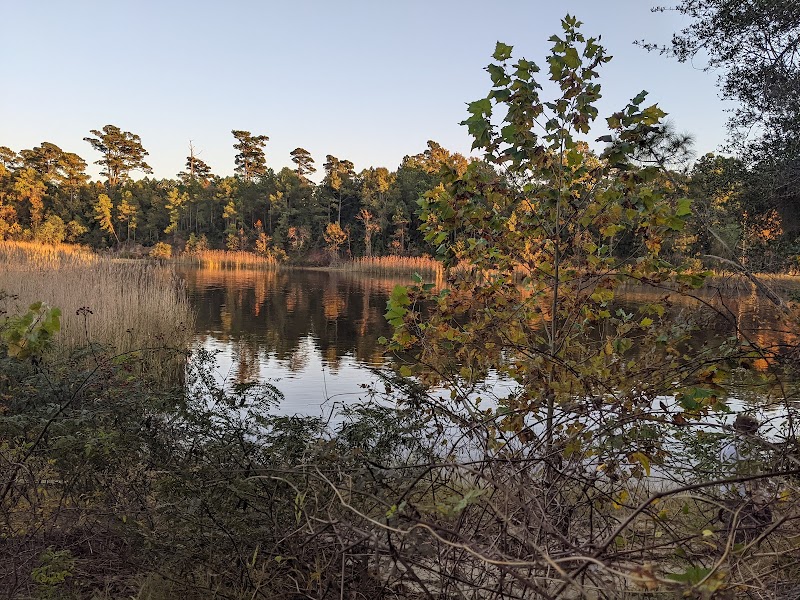
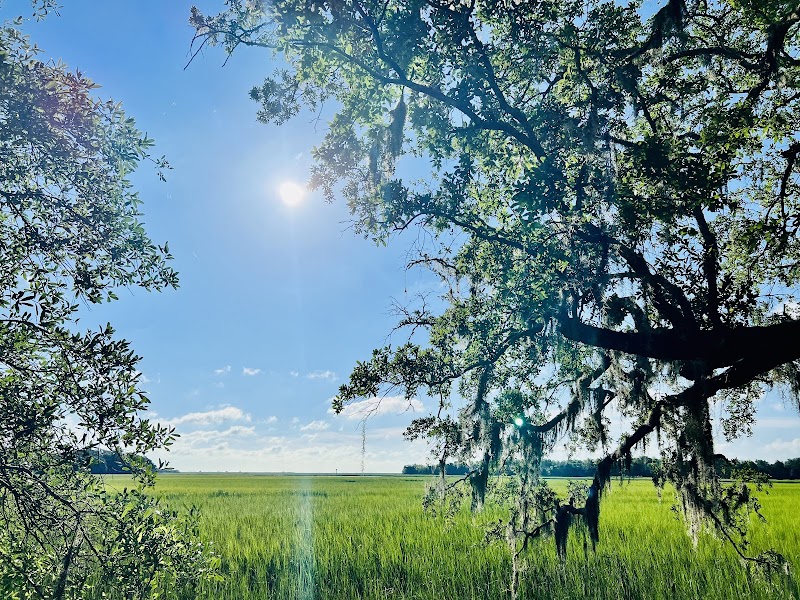
The Awendaw Passage, one of the trail’s crown jewels, is a 7-mile stretch that feels like a Lowcountry epic written in moss and water. It begins at Buck Hall Recreation Area, where the salt-laden air greets you like an old friend. From here, boardwalks thread through marshes, as delicate as spider silk, while the rhythmic chirping of tree frogs fills the air like a natural symphony.
Each step feels like retracing the ancient paths of the Sewee people, guardians of these shores long before Charleston’s steeples pierced the sky. The trail skirts the Intracoastal Waterway, offering glimpses of snowy egrets and, on lucky days, the flicker of a dolphin’s fin in the distance.
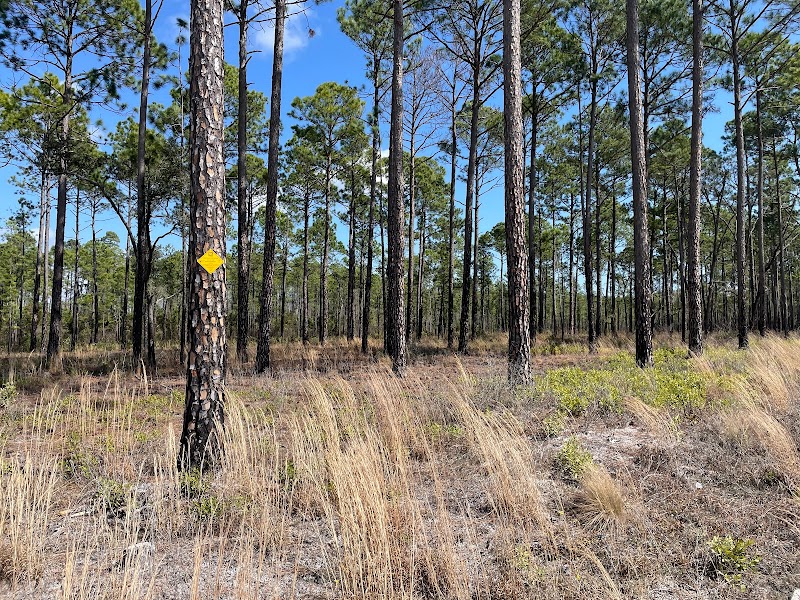
But don’t be fooled by the tranquility. Muddy patches turn even seasoned hikers into reluctant dancers, their boots clumsy in the muck. Yet, every challenge is rewarded. The final stretch leads into the Francis Marion National Forest, where towering pines rise like cathedral spires, sifting sunlight into golden pools.
The Palmetto Trail isn’t just a hike; it’s a connection to the soul of the Lowcountry—a place where nature tells stories more enduring than any cityscape ever could.
The Palmetto Trail offers diverse landscapes and opportunities for outdoor adventure, stretching through various terrains in South Carolina. While it provides a scenic experience for hiking and exploration, it doesn't have the unique geological features that would elevate it to the highest tier of iconic natural landmarks.