About This Adventure Destination
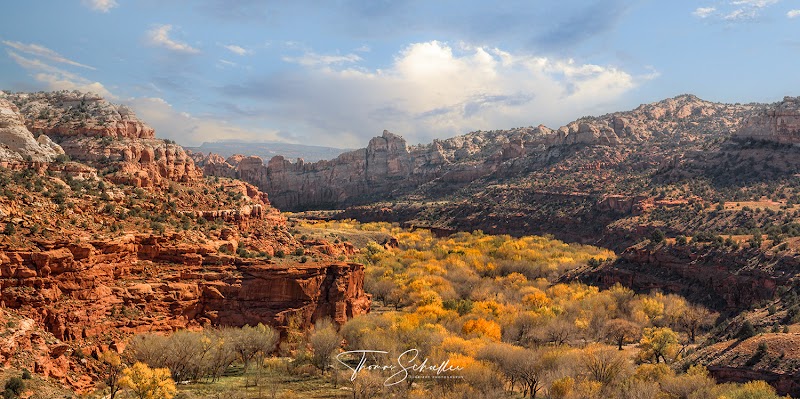
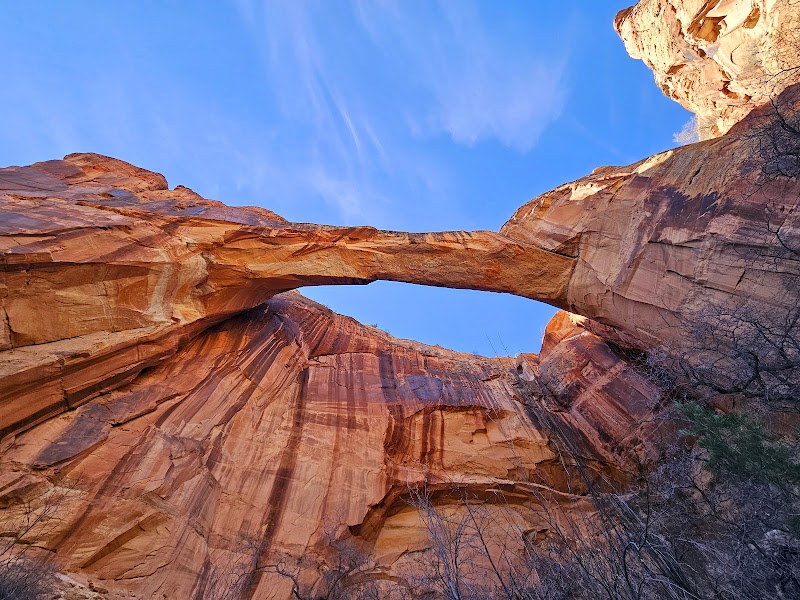
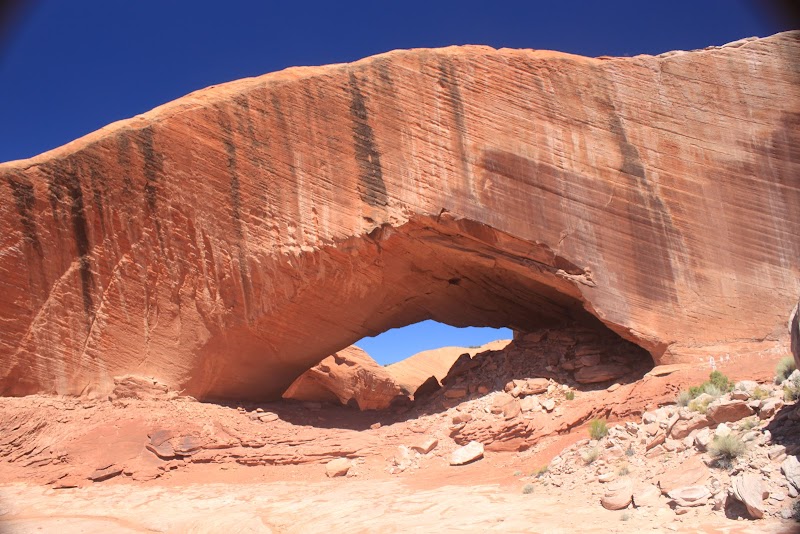
Phipps Arch stands as a striking natural landmark in the Escalante region of southern Utah, offering visitors a rare glimpse of the area’s rugged desert beauty. This notable sandstone formation is a sizeable, graceful arch carved over countless years by wind and water erosion. Its warm orange-red tones stand out vividly against the clear blue skies typical of the Grand Staircase-Escalante area, making it a favorite spot for photographers and outdoor enthusiasts. Unlike the more frequented arches in Utah, Phipps Arch remains remote and quieter, providing a peaceful setting for those seeking a less crowded experience.
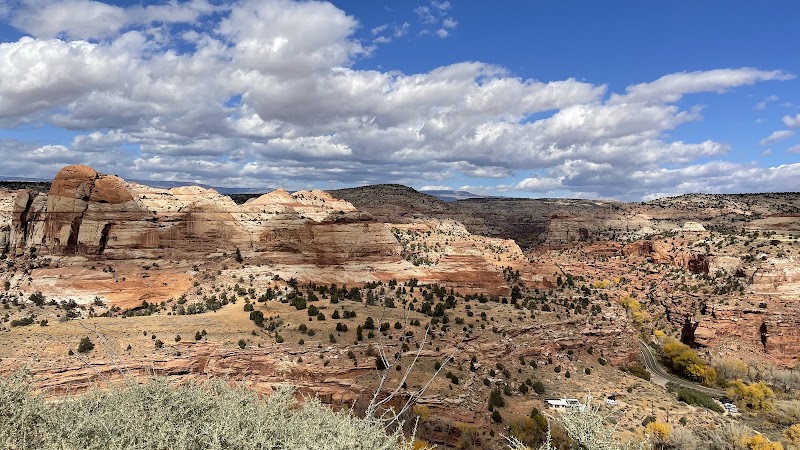
The hike to the arch leads through a variety of landscapes, including sandy stretches, river crossings, and exposed slickrock, requiring some rock scrambling to reach the top. This rugged approach rewards hikers with sweeping views of the surrounding canyons and river corridors. The path reveals desert flora such as sagebrush and locally adapted shrubs, along with wildlife sightings of mule deer and various birds, adding layers of natural interest.
Historically, the region shows traces of Native American presence, including petroglyphs in nearby areas, reflecting a deep cultural connection to the land. Phipps Arch’s location within the canyon complex of the Escalante River makes it a special highlight for visitors who appreciate authentic, raw outdoor settings. Whether admired as a solitary geological marvel or as part of an extended hiking outing, this arch offers a memorable experience grounded in nature and history.
Phipps Arch is a stunning example of natural beauty with its striking sandstone architecture, offering adventure seekers and nature lovers a unique experience. Although not among the world's most iconic landmarks, it holds significant appeal due to its remote charm and historical significance.