About This Adventure Destination
Mount Olympus and the Heart of Olympic National Park
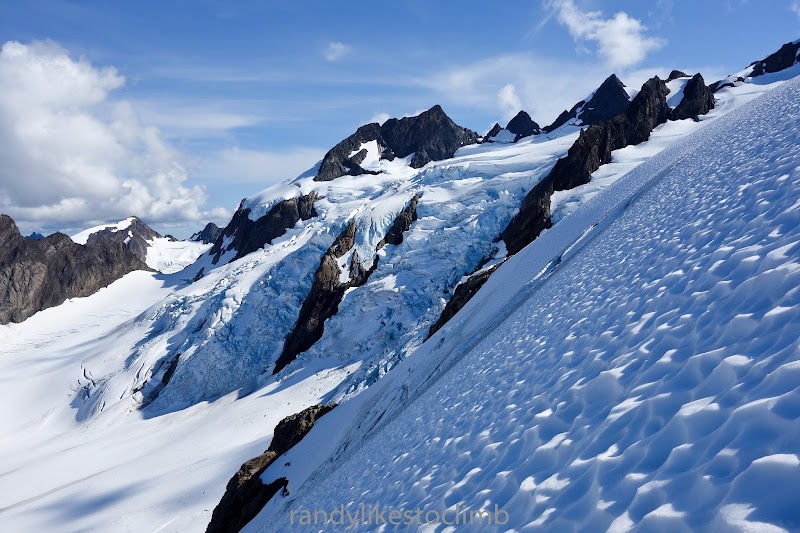
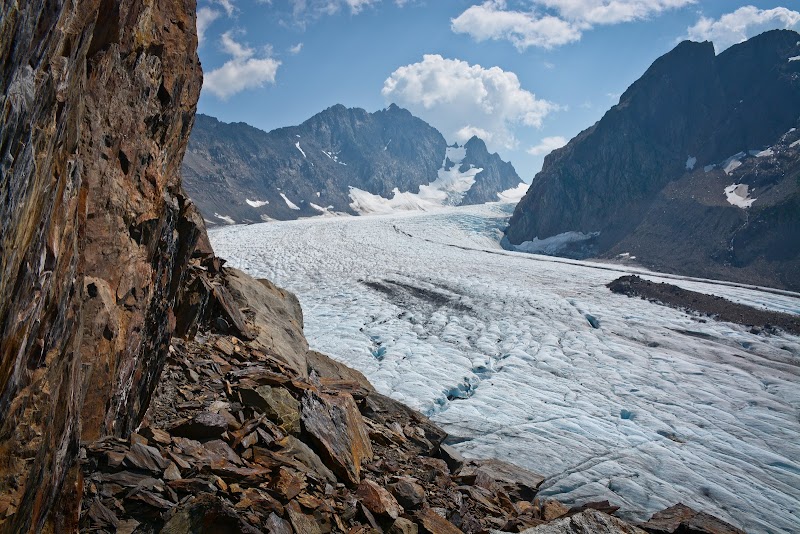
Mount Olympus, the centerpiece of Olympic National Park near Forks, Washington, is a striking natural landmark known for its massive glacier-covered peaks and rugged terrain. Rising to 7,980 feet, it is the tallest mountain on the Olympic Peninsula and a dominant feature of the park. What sets Mount Olympus apart is its extensive glacial system, the largest in the contiguous United States outside of the North Cascades, with glaciers shaping its dramatic landscape.
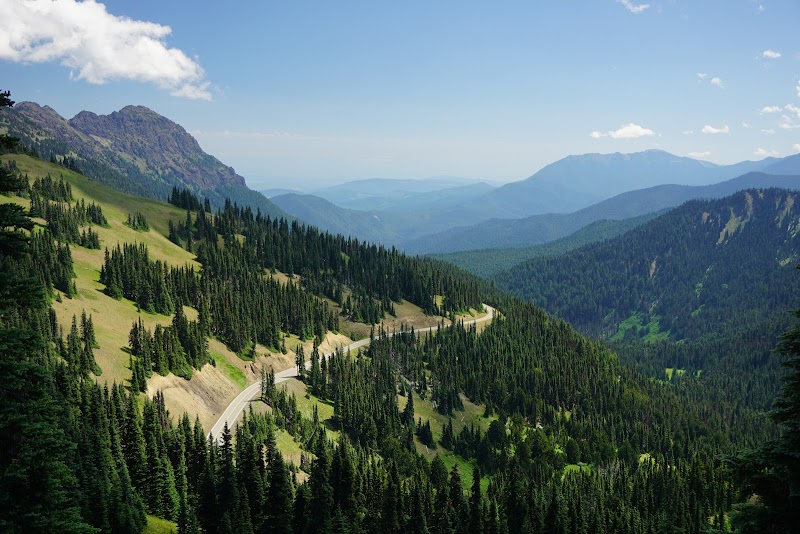
The mountain is composed primarily of basalt and sedimentary rock, carved over centuries by glacial action that continues to reshape the terrain today. The presence of dense old-growth rainforests and alpine meadows at its base provides a transition zone rich in biodiversity. Visitors can witness diverse plant and animal life adapted to this moist, mountainous ecosystem.
Historically, Mount Olympus holds cultural significance for the region’s Indigenous peoples and was named by early European explorers inspired by Greek mythology. The area became part of Olympic National Park, established in 1938 to protect its unique environment and exceptional wilderness experience.
This natural landmark stands out for its combination of rugged peaks, vast glaciers, and lush temperate rainforests in one location, offering visitors a striking blend of Alpine and coastal environments. Whether viewed from a distance or approached via challenging trails, Mount Olympus offers a singular experience that leaves a lasting impression on outdoor enthusiasts and nature lovers alike.
This landmark scores highly due to its unique glacial formations, diverse ecosystems, and challenging outdoor activities that attract visitors seeking a distinct natural experience. Its remote location and combination of rare coastal and alpine environments make it a top-tier natural destination.