About This Adventure Destination
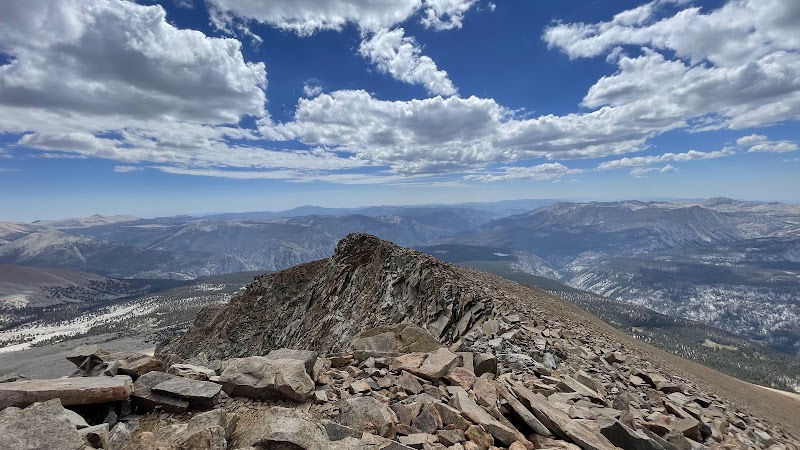
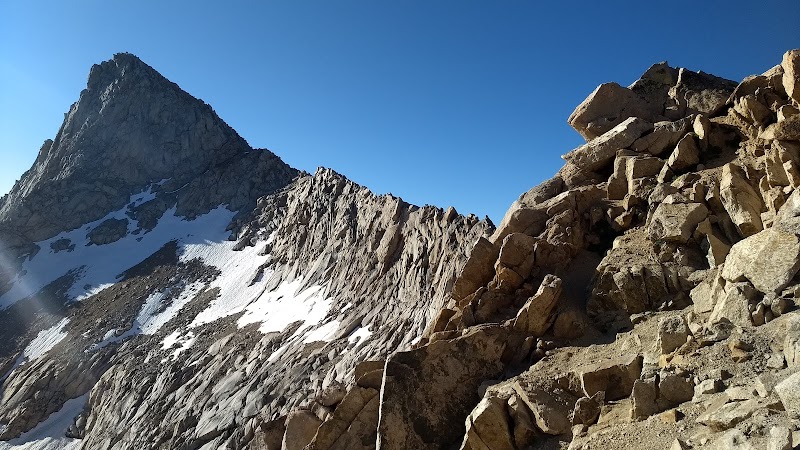
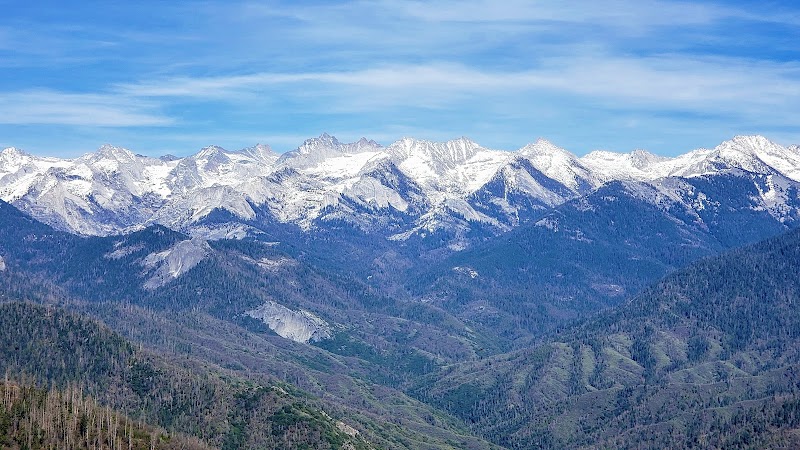
The Great Western Divide is an impressive mountain ridge located within the southern Sierra Nevada range in California, USA. This rugged natural formation stands out with its towering peaks covered by snow for much of the year, creating striking scenery visible from miles around. The divide separates key watersheds and offers a unique blend of geological features, including granite domes and deep forested valleys. Its landscape supports diverse flora such as ancient conifers and alpine meadows, which add rich color and life to the high-altitude environment.
This area is notable not only for its dramatic mountain views but also for its geological significance as part of the Sierra Nevada Batholith, composed primarily of granite rock shaped by millennia of uplift and erosion. The Great Western Divide also features several prominent peaks, including Black Kaweah and Mount Kaweah, which rise above 13,000 feet. Historically, the region has been an important part of California’s natural heritage, attracting adventurers, hikers, and nature lovers since early explorers documented its remote and wild beauty.
Visitors appreciate the peaceful solitude and challenging terrain that define this landmark, offering an authentic mountain experience away from crowded national parks. Whether photographing the sunrise over snow-capped ridges or spotting native wildlife like marmots and peregrine falcons, the Great Western Divide provides a distinctive outdoor destination marked by grandeur and natural diversity.
The Great Western Divide is a distinguished destination for mountain enthusiasts due to its impressive elevation, geological complexity, and diverse ecosystems. While it is not as widely known as some surrounding national parks, it offers a unique and less crowded natural landscape that draws serious hikers and climbers looking for rugged wilderness. Its high-altitude terrain and remote location make it a special spot for those seeking authentic mountain experiences, but the relative difficulty and limited accessibility prevent it from being rated among the absolute top iconic natural landmarks.