About This Adventure Destination
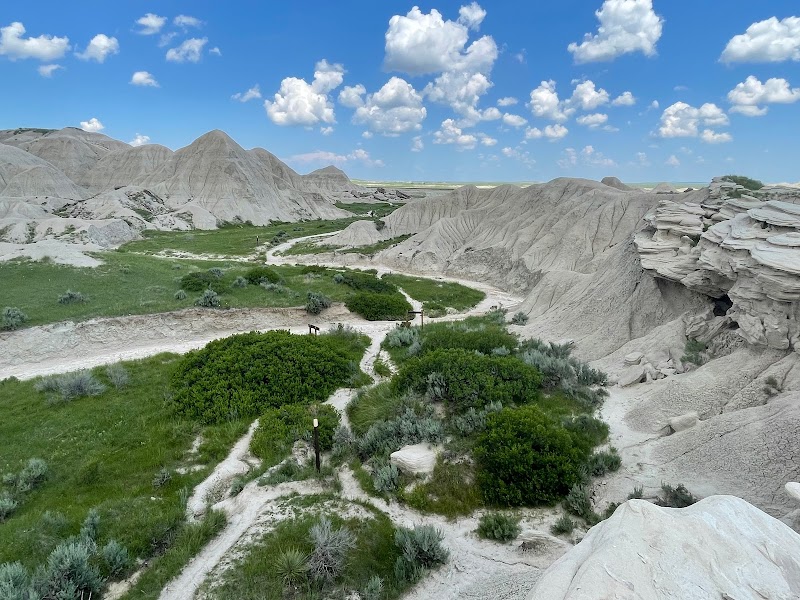
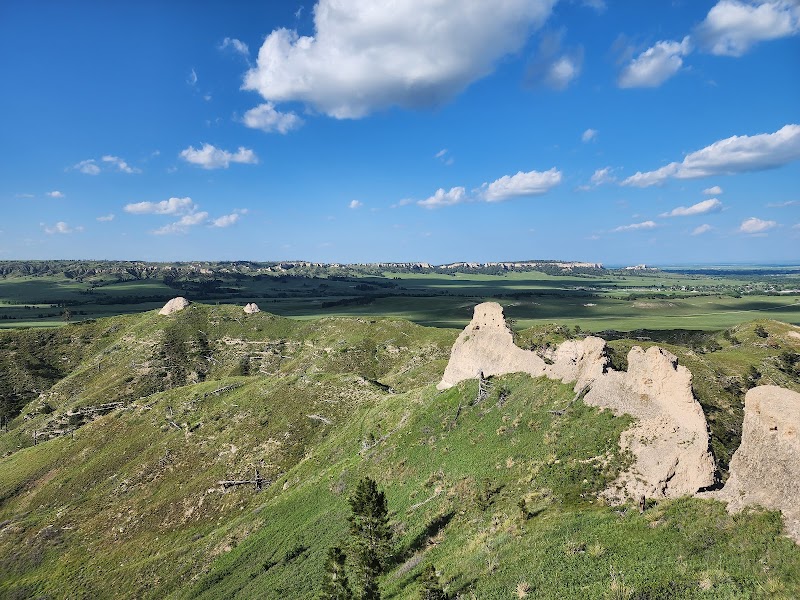
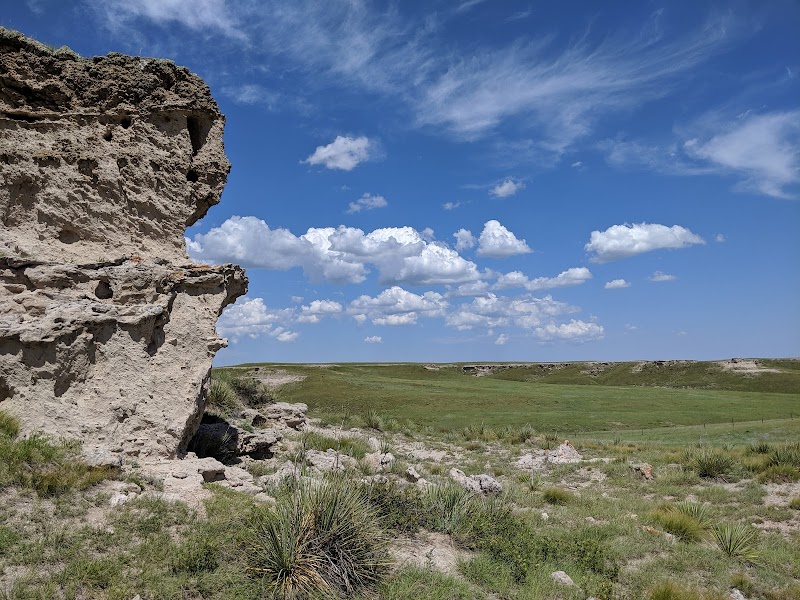
Located near Harrison, Nebraska, Hudson-Meng Bison Kill Bed is an extraordinary natural landmark that offers a rare glimpse into prehistoric life on the Great Plains. This paleontological site preserves the remains of a massive bison kill dating back over 10,000 years, making it one of the most significant early human hunting sites in North America. The site features an exposed bed of bison bones scattered in a natural depression, surrounded by the gentle rolling hills and grasslands characteristic of the Nebraska Panhandle region.
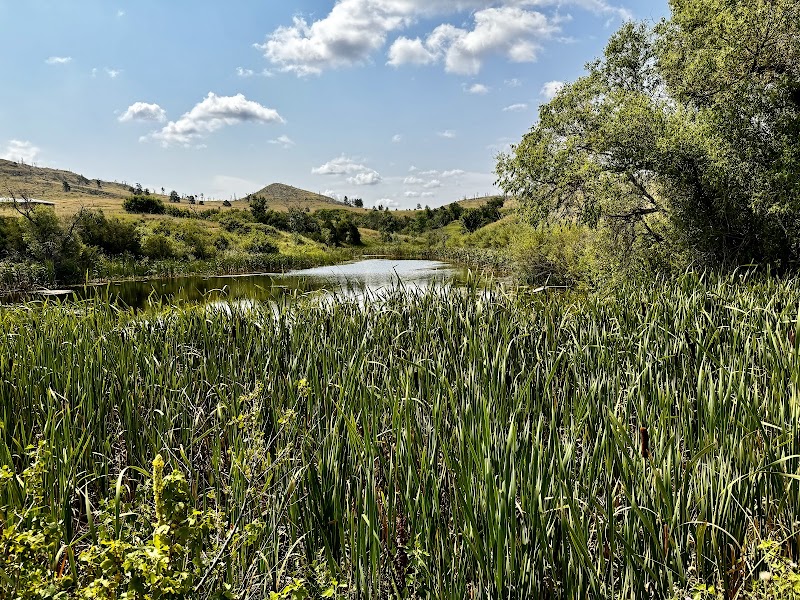
The landscape around Hudson-Meng is defined by mixed-grass prairie ecosystem, with native grasses, cattails at the marshy edges, and clusters of cottonwoods adding texture to the scene. The wetlands support an array of local birdlife and small mammals, creating a vibrant habitat for naturalists and outdoor lovers alike.
What makes this landmark exceptional is the combination of natural history and ecology. Visitors can learn about the prehistoric interactions between humans and bison while appreciating the serene natural setting that remains largely unchanged since the last Ice Age. Managed by the Nebraska Game and Parks Commission, Hudson-Meng also features an interpretive center with exhibits on archaeology, geology, and local wildlife.
The area provides a quiet retreat for those interested in history, wildlife watching, and peaceful walks in natural surroundings. Its unique blend of archaeological importance and prairie ecology makes Hudson-Meng a must-see for those venturing through the Nebraska Panhandle, offering a distinctive window into the deep past amid a gently flowing creek and native vegetation.
Hudson-Meng Bison Kill Bed is an exceptional natural site with significant archaeological and ecological value. Its unique prehistoric bison kill remains combined with a preserved prairie ecosystem create an informative and tranquil experience for visitors interested in natural history and outdoor walks. While less known internationally than towering waterfalls or dramatic canyons, it is a standout destination in the Great Plains region where such deeply preserved paleontological sites are rare. The site's accessibility and educational value make it worthwhile, though it caters more to niche interests in paleontology and wildlife rather than broad adventure tourism, hence the solid rating.