About This Adventure Destination
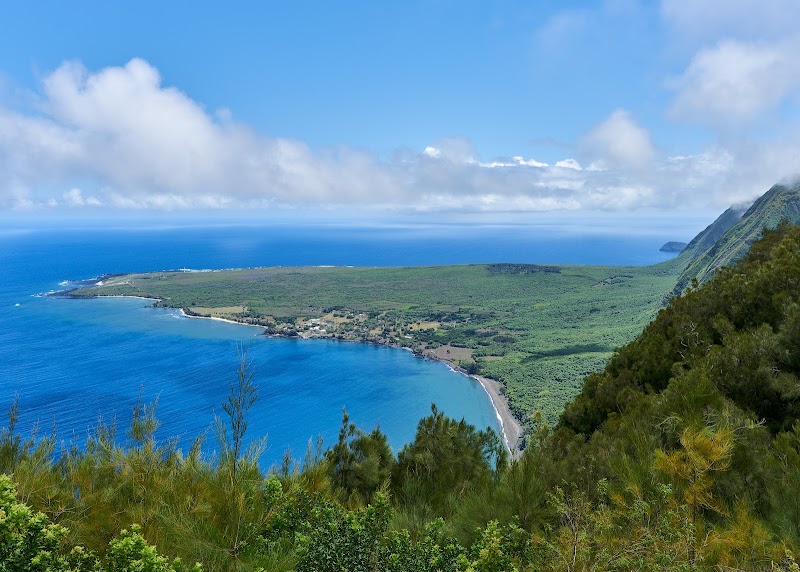
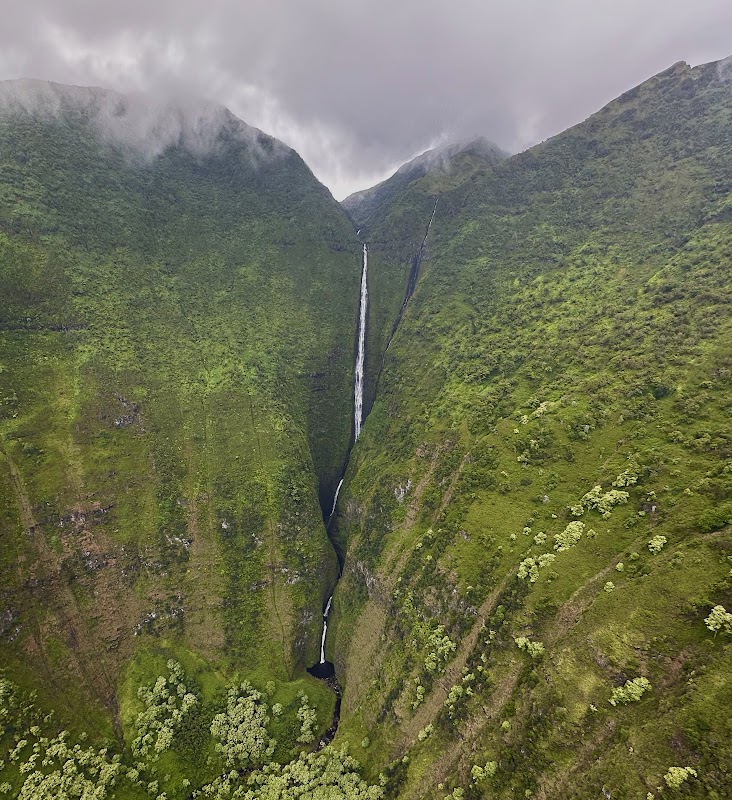
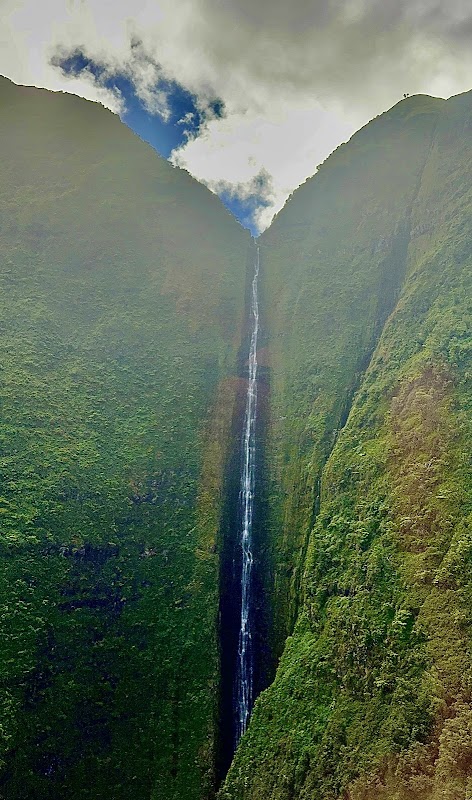
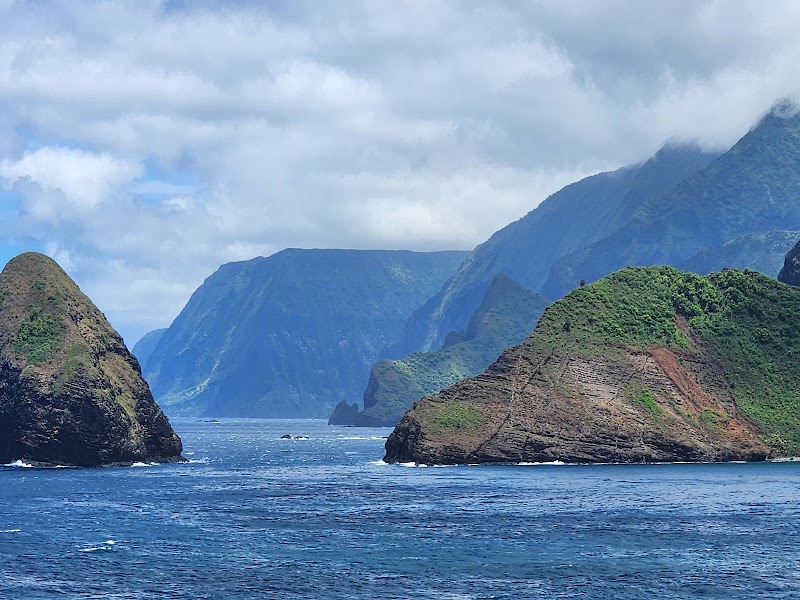
Kalaupapa National Historical Park, located on the northern shore of Molokaʻi Island in Hawaii, offers striking views of rugged sea cliffs plunging sharply into the Pacific Ocean. This remote area is renowned for its extraordinary natural setting, featuring towering basalt cliffs that rise over 1,500 feet above the ocean — some of the highest sea cliffs in the world. The park protects not only these impressive geological formations but also a rich tropical ecosystem with native plants and seabirds. Kalaupapa’s distinctive landscape includes deep valleys, pristine waters, and lush vegetation that create a remarkably untouched coastal environment. Beyond its natural beauty, the park holds significant cultural and historical importance as it preserves the settlement where individuals with Hansen’s Disease (leprosy) lived in isolation from the late 19th century until the mid-20th century. This history is intertwined with the dramatic landscape, adding an emotional depth to the visit. Protected and federally managed since 1980, Kalaupapa is difficult to access, which ensures the preservation of its biodiversity and tranquil atmosphere. Visitors are often captivated by the contrast of the vivid blue ocean against the steep cliffs covered in greenery. The combination of geological grandeur, rare flora and fauna, and poignant human history makes Kalaupapa a uniquely special destination within Hawaii’s natural heritage.
Kalaupapa stands out for its combination of unique geological features—especially its towering sea cliffs—and its profound historical significance. The natural beauty and rarity of the intact coastal ecosystem alongside well-preserved cultural heritage offer visitors an experience few places in the world can match. The difficulty of access helps maintain its pristine condition, adding to its appeal as a remarkable outdoor destination.