About This Adventure Destination
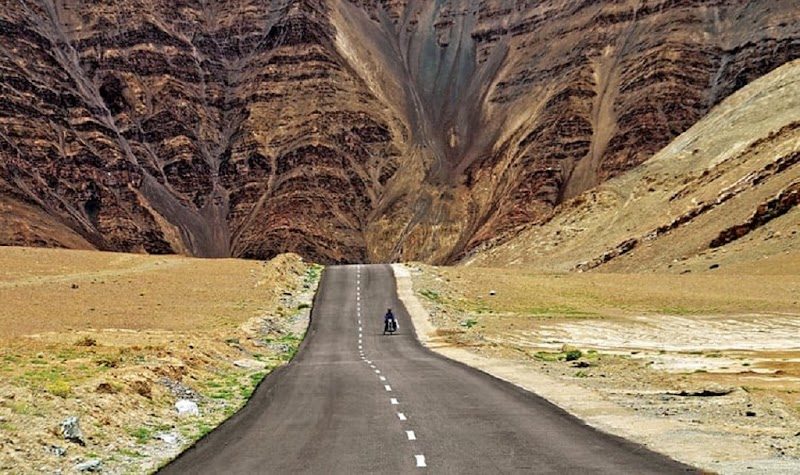
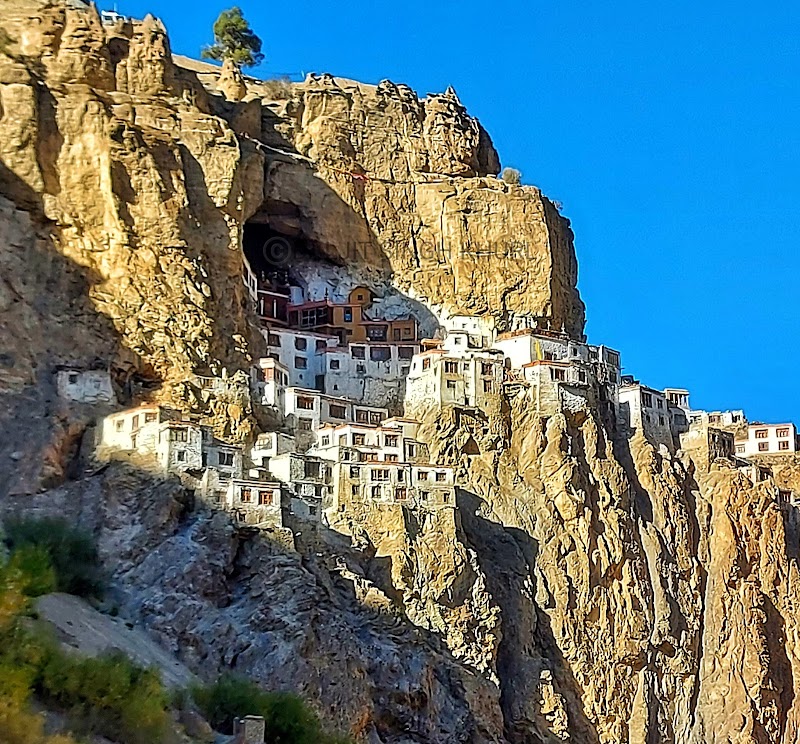
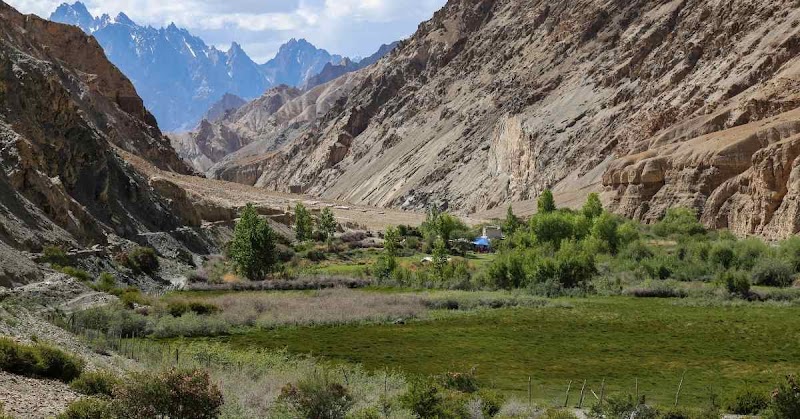
Markha Valley, located in the remote regions of Ladakh, northern India, offers a remarkable natural experience for visitors drawn to dramatic landscapes and traditional Himalayan culture. This expansive valley is carved by the Markha River between towering mountain ridges of the Ladakh Range, creating breathtaking geological contrasts of rugged cliffs and verdant pastures. The terrain features unique rock formations and alluvial fans that hint at ancient glacial and river activity, providing fascinating insights into the region's natural history. Visitors will notice willow, poplar, and sea buckthorn trees lining the riverbanks, giving bursts of green amidst the otherwise stark arid landscape. The valley is culturally significant for being home to several small villages inhabited by Ladakhi communities with centuries-old Buddhist monasteries that add historical depth to the natural setting. The area is known for its rich biodiversity, including sightings of rare Himalayan wildlife such as the snow leopard and Tibetan argali, though these elusive species are challenging to spot. The contrast between desert-like mountain slopes and the lively valley floor offers a unique environment not common in other mountain regions. This mix of geology, flora, fauna, and culture makes the Markha Valley a standout destination in the greater Ladakh region, attractive to travelers seeking peace, natural beauty, and cultural immersion all in one distinct location.
Markha Valley stands out for its dramatic natural scenery and authentic cultural experience in a remote Himalayan setting. While it offers excellent trekking adventures with diverse landscapes and traditional villages, it is less globally renowned than some other mountain destinations. Its unique combination of geology, flora, fauna, and local heritage makes it a highly rewarding spot for serious trekkers and nature lovers, but its remote location and infrastructure limit accessibility for casual visitors, keeping its iconic status moderate compared to the world's most famous natural landmarks.