About This Adventure Destination
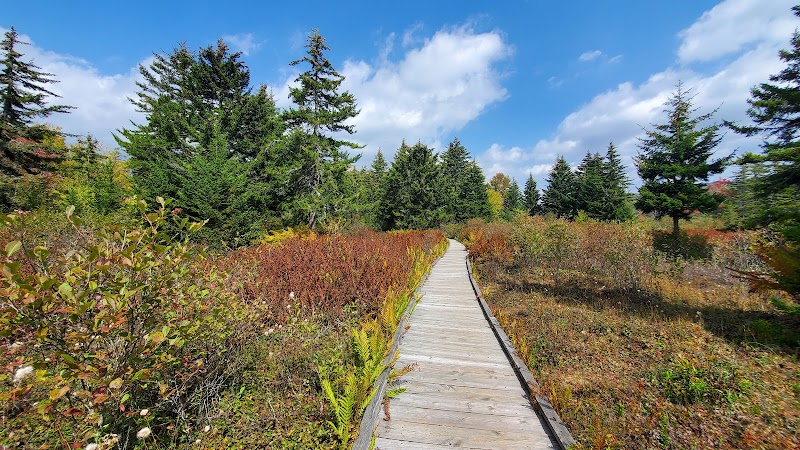
Cranberry Glades Botanical Area, located near Hillsboro in West Virginia’s Monongahela National Forest, offers a rare window into a northern bog ecosystem right in the Appalachian Mountains. This region is remarkable for its five distinct peat bogs, environments usually found much farther north. These bogs support a range of unusual plant species, including carnivorous plants like pitcher plants and sundews, as well as cranberry bushes, giving the area its name. Visitors will appreciate the gentle 0.6-mile boardwalk that runs through the glades, providing close-up views of this fragile habitat without disturbing the sensitive ground.
The plant life here mimics Arctic tundra, creating a unique setting entirely unlike the surrounding hardwood forests. As wildlife thrives in this environment, bird enthusiasts may spot native songbirds and amphibians lively in the marshy areas. The botanical variety changes with the seasons, shining brightest in late spring bloom and blazing with fall color. Local visitors often describe the area as peaceful and otherworldly, a green refuge with soft sounds of birds and frogs.
Established as part of the Monongahela National Forest to protect this rare ecosystem, Cranberry Glades offers an educational glimpse into ecological diversity. Though the boardwalk is easy to follow, visitors should be cautious during wet weather as it can become slippery. Designed for nature lovers and photographers, the glades present a quiet retreat with natural features seldom found in the region.
Cranberry Glades Botanical Area offers a unique look at boreal ecosystems within the Appalachian Mountains. Its distinct flora makes it a compelling destination for nature enthusiasts, though not as widely recognized as global natural icons. Its rarity and ecological significance earn it a respectable score, inviting exploration by those in search of hidden natural gems.