About This Adventure Destination
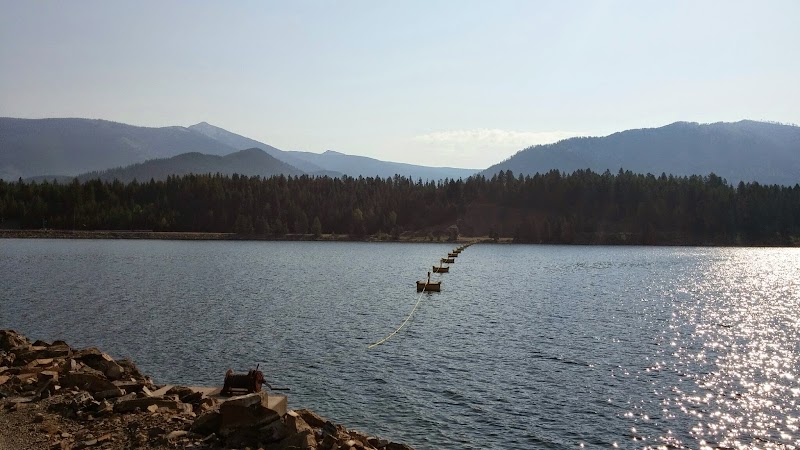
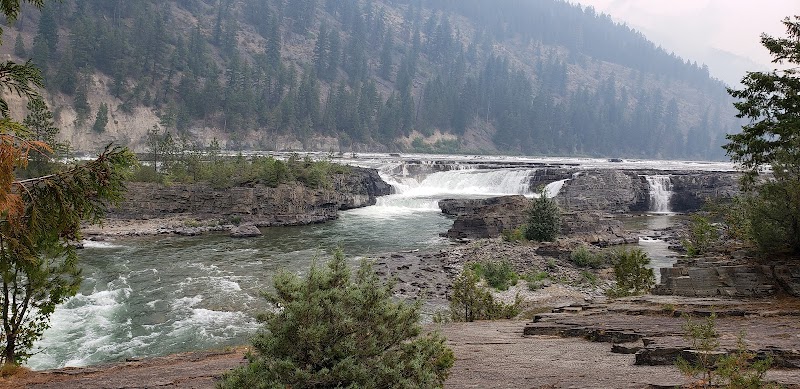
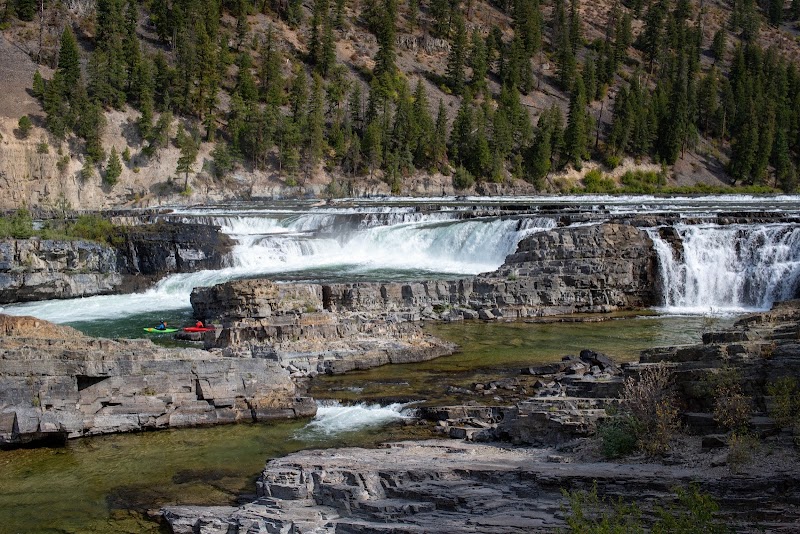
Cabinet Mountains, Montana’s Untamed Jewel The Cabinet Mountains in northwest Montana offer a striking wilderness experience far removed from urban life. This rugged mountain range, part of the larger Rocky Mountains, stretches across the scenic Kootenai National Forest near the small town of Libby. What makes this landscape exceptional is its dramatic combination of jagged peaks, deep glacial valleys, and dense old-growth forests. This blend creates an extraordinary natural playground for outdoor lovers seeking solitude and raw beauty.
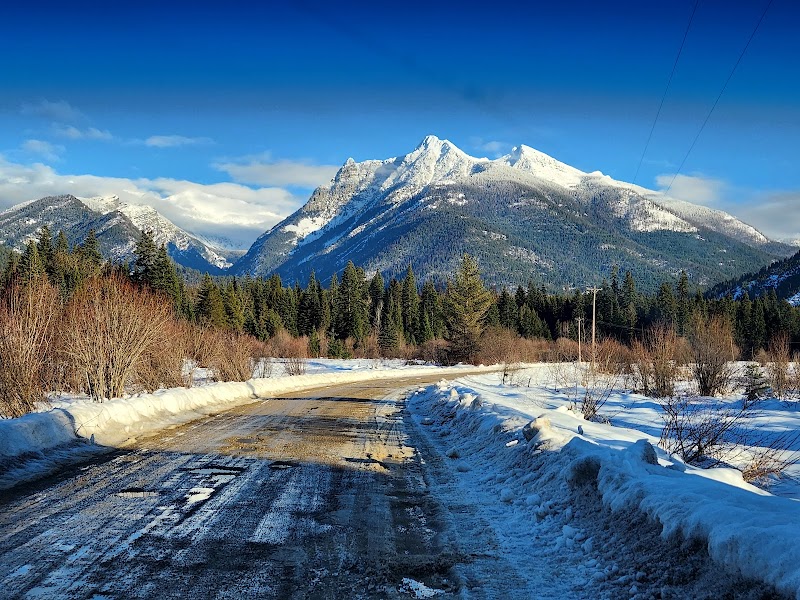
The Cabinets feature a variety of glaciated peaks, with Snowshoe Peak—the highest point at 8,738 feet—being a prominent highlight. The terrain consists of granite and quartzite rock formations with steep cliffs and alpine meadows. Visitors can expect to encounter rare wildlife including mountain goats, black bears, and elusive lynx, alongside lush stands of western red cedar and western hemlock trees. The area is also known for its crystal-clear alpine lakes reflecting the surrounding towering summits.
Historically, the Cabinets have been home to indigenous peoples and more recently, a magnet for adventurers since the early 1900s. The Cabinet Mountains Wilderness area was officially protected to preserve this wild expanse, ensuring its resilience against development. This region’s unspoiled nature and accessibility from Montana’s small towns make it a distinctive destination for those who value pristine outdoor settings with limited crowds. The Cabinets demand respect with variable weather and challenging trails but reward visitors with awe-inspiring vistas and profound wilderness immersion.
This landmark is highly regarded for its striking natural beauty and wilderness appeal. While it may not attract the vast number of visitors some higher-rated landmarks do, its rugged peaks, pristine forests, and remote location offer a unique, authentic outdoor experience valued by those seeking solitude and adventure. The combination of dramatic terrain and ecological diversity make it a standout destination in the northern Rockies, but its physical challenges and access limits keep it slightly below the most iconic natural landmarks worldwide.