Soufrière Hills
Adventure Destination

Soufrière Hills

Explore the dramatic Soufrière Hills in Montserrat, where volcanic activity has shaped an extraordinary landscape. Ideal for adventurers, enjoy observatory tours, helicopter views, and a visit to the ghost town Plymouth. Best visited during the dry season.

Volcano Exploration8.5/10Moderate
Photo Gallery

Category

Volcano Exploration

Typical Duration

2-4 hours

Difficulty

Moderate

About This Adventure Destination

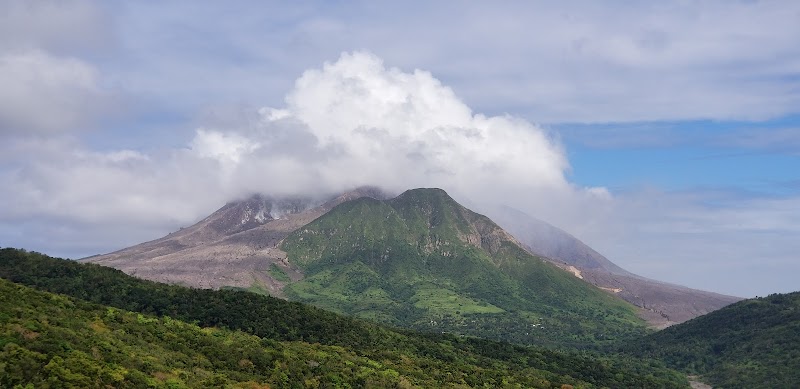
Soufrière Hills is an active volcanic peak located on the Caribbean island of Montserrat. This powerful geological feature has shaped much of the island’s recent history and landscape, making it a remarkable destination for visitors interested in natural wonders and volcanic phenomena. Since its dramatic eruptions began in 1995, Soufrière Hills has transformed both the physical environment and the lives of the island’s inhabitants.

The volcano’s rugged slopes are marked by striking contrasts: rich green vegetation pushes back against dark layers of volcanic ash and solidified lava flows. Visitors will notice how pyroclastic flows—fast-moving currents of hot gas and volcanic debris—have reshaped the terrain, covering large areas with hardened rock and ash. Nearby lies Plymouth, once Montserrat’s capital, now an eerie ghost town overtaken by volcanic deposits following the major eruptions, offering a uniquely haunting glimpse into recent history.

The area also supports remarkable resilience in nature, where hardy plants have begun reclaiming sections of the ash-covered landscape. Soufrière Hills is a living classroom of geology and ecology, where the forces of destruction and renewal exist side by side.

For travelers drawn to dramatic natural scenes, this location delivers an unforgettable experience. The volcano serves as a reminder of Earth’s ongoing activity and the delicate balance between nature’s power and recovery. Witnessing Soufrière Hills offers an exceptional opportunity to appreciate the changing face of Montserrat through both its volcanic past and hopeful regeneration.


Editorial Assessment

**LaunchPad Value**: Soufrière Hills scores 85 for its dramatic and ever-changing landscape, shaped by volcanic forces. It beautifully intertwines natural wonder with geological significance, making it a distinctive destination for adventurers and nature enthusiasts alike.#hashtags#volcano #Montserrat #adventure #island #nature
Soufrière Hills

Adventure Guide to Soufrière Hills

1

1. Volcano Observatory Tour

  • Details:

    What Makes It Special: This educational site presents safe, close-up views of the volcano’s crater and ongoing activity.

  • Details:

    Key Features: Interpretive displays, panoramic viewing platforms, and expert guides.

  • Details:

    Local Insights: Established post-1995 eruption for monitoring volcanic activity; a hub for scientists.

  • Details:

    Visitor Tips: Morning visits offer clearer skies. Bring a camera and comfortable shoes.

2

2. Helicopter Flight Over Soufrière Hills

  • Details:

    What Makes It Special: Offers breathtaking aerial views of the volcanic crater, ash-covered forests, and abandoned Plymouth.

  • Details:

    Key Features: Flight paths provide unique photographic opportunities and dramatic perspectives.

  • Details:

    Local Insights: Flights reveal how the eruptions fundamentally altered the island layout.

  • Details:

    Visitor Tips: Sunglasses recommended; book flights ahead, especially in high season.

3

3. Plymouth Ghost Town Exploration

  • Details:

    What Makes It Special: Walk through the evocative remains of Montserrat's former capital blanketed by volcanic ash.

  • Details:

    Key Features: Historic ruins, desolate streets, and large boulders from pyroclastic flows.

  • Details:

    Local Insights: Plymouth’s evacuation tells a story of resilience and adaptation for residents.

  • Details:

    Visitor Tips: Sturdy footwear essential. Carry water and be prepared for uneven terrain. --- Practical Information

  • Details:

    Best Time to Visit: December to April (dry season) for safer and more enjoyable conditions.

  • Details:

    Getting There: From Little Bay, Montserrat’s main ferry port, it’s about a 20-minute drive to Soufrière Hills.

  • Details:

    What to Bring: Sunscreen, water, sturdy shoes, camera, and a light jacket for changing mountain weather. Visitors keen on nature’s power and rebirth will find Soufrière Hills a compelling destination blending awe-inspiring views with rich local stories.

Reviews

M
Michael Johnsona month ago

Great destination! Enjoyed the open trail and peaceful outdoor atmosphere.

J
Jean-François Roux2 months ago

Soufrière is a stratovolcano in the Lesser Antilles, rising to 915 meters on the island of Montserrat. On July 18, 1995, it entered a period of intense eruptive activity that continued until 2013. In 1997, one of its eruptions devastated the capital, Plymouth, which is now a ghost town. The southern part of the island, including the former airport, was also completely devastated, covered by a thick layer of lava and mud. History: The first recorded activity in recent history dates back to the 17th century, around 1630, when it produced a lava dome called Castle Peak. The crater, approximately one kilometer in diameter, was then known as "English's Crater." Subsequently, several seismic events occurred in 1897 and 1898, then between 1933 and 1937, and finally in 1966-1967. However, no further eruptive activity was recorded before 1995. Eruptive activity: Beginning on July 18, 1995, pyroclastic flows occurred, leading to the evacuation of part of the population, particularly in the capital, Plymouth. The first phreatomagmatic explosion took place on August 21, 1995,[4] and the activity continued for eighteen weeks, culminating in the formation of an andesitic lava dome. A period of relative calm lasting more than a year was followed by several dome ruptures and two major volcanic explosions. The eruption of June 25, 1997, devastated W.H. Bramble Airport, and a further series of eruptions between August 4 and 8, 1997, destroyed Plymouth, the capital, which was 80% covered in ash and permanently abandoned. A new period of activity began on December 24, 2006, leading to the evacuation of about one hundred residents in early January 2007. On July 28, 2008, without any warning signs, an explosion occurred, creating an ash column 12,000 meters high, which grounded regional air traffic for several days. Another explosion occurred on February 11, 2010, triggering pyroclastic flows and an ash plume that reached the islands of Guadeloupe and Antigua[5] and blanketed many other islands to the north, including Saint Martin, Anguilla, and Saint Barthélemy, with a thin layer of volcanic ash. Human Consequences edit The eruption of June 25, 1997, resulted in the deaths of 19 people. After the capital city was destroyed, nearly two-thirds of Montserrat's 13,000 inhabitants fled to neighboring islands or mainland United Kingdom. The remainder migrated to the north of the island, to an area protected by the Center Hills mountain range. The British government offered £41 million in repatriation assistance, and a ship was dispatched to evacuate residents to other Caribbean islands. Due to the intense activity of La Soufrière, the population has decreased from approximately 13,000 inhabitants in 1994 to 5,800 in 2008.

I
Isak Saric3 months ago

So cool

J
Jalisca Carasco5 months ago

Great destination! Enjoyed the open trail and peaceful outdoor atmosphere.

W
Will Fart6 months ago

Bum Willy bumb

Nearby Adventures

Bookable Experiences

No bookable tours found for this category near Little Bay, Montserrat

Try switching to "All Adventures" to see available outdoor expeditions.