About This Adventure Destination
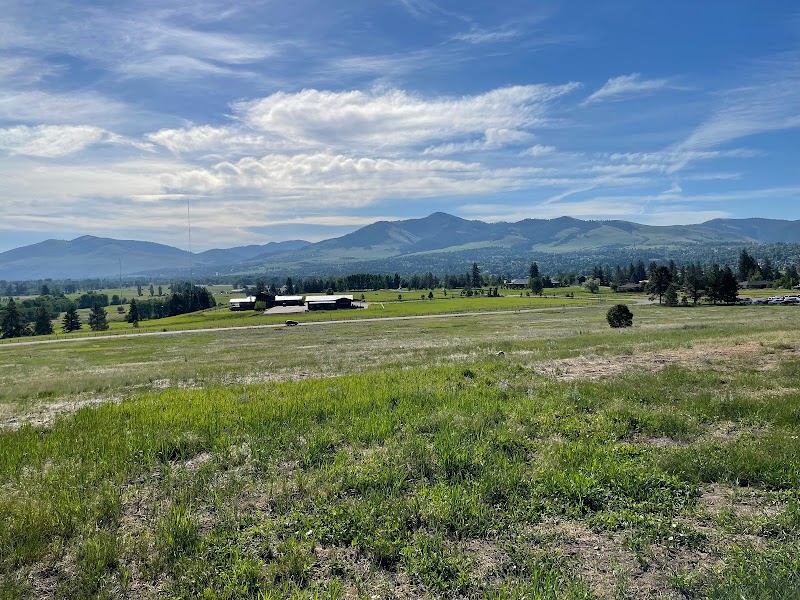
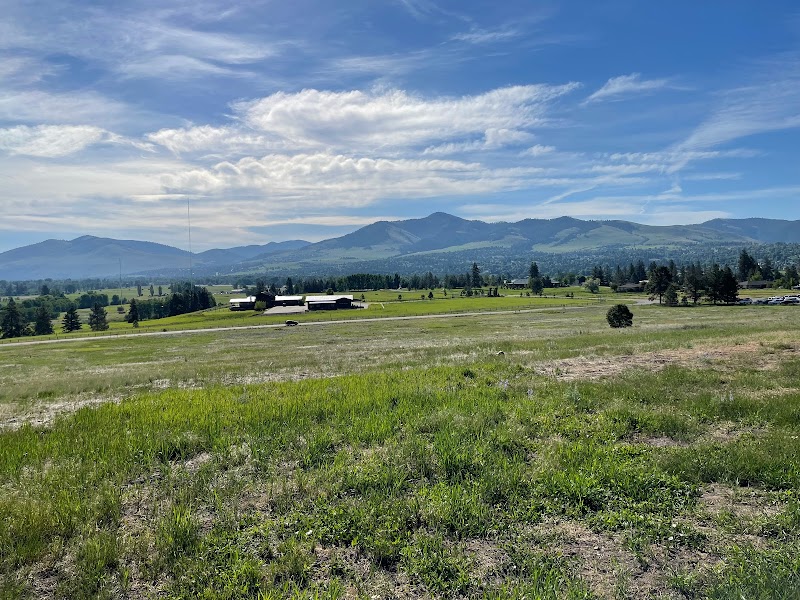
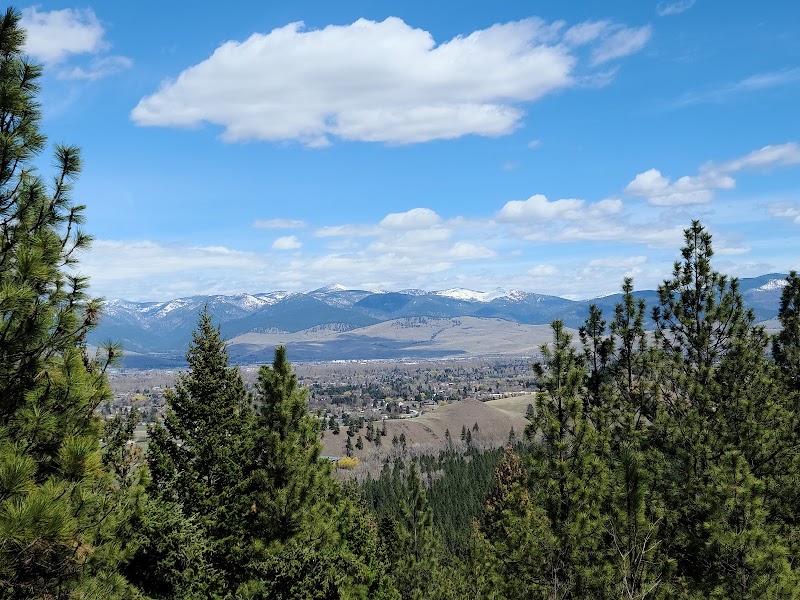
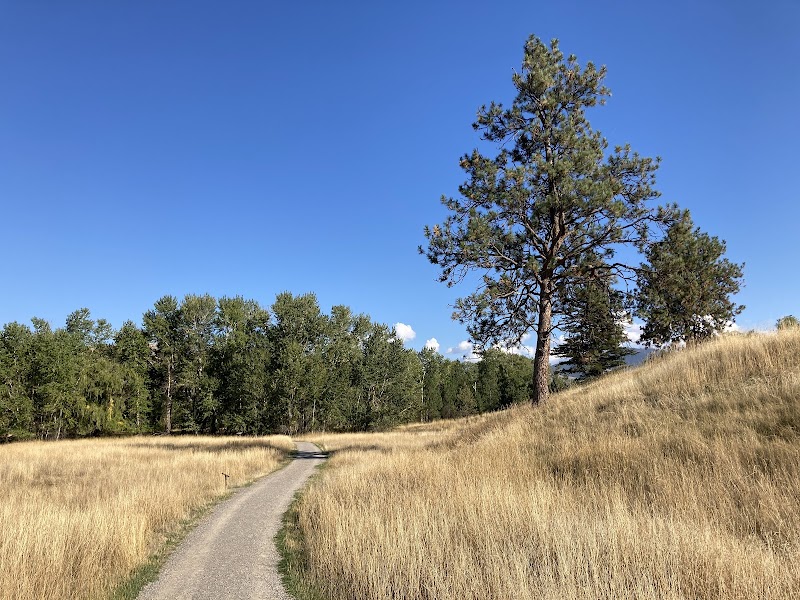
Travelers' Rest State Park is a notable outdoor destination located near Lolo in western Montana. It is unique for combining natural beauty with deep historical significance. The park preserves the only archaeologically verified campsite of the Lewis and Clark Expedition, offering visitors a rare chance to connect with a pivotal moment in American exploration history. The setting includes gently rolling hills, open meadows, and mature Ponderosa pines that create a peaceful and reflective environment.
Key features of the site include a well-maintained visitor center with informative exhibits and artifacts related to the expedition. The nature trail winds through the historic campgrounds along a creek, passing points of interest such as the original hearth site, designated sleeping areas, and even a reconstructed latrine spot. This loop trail crosses a small bridge and offers views of the surrounding grasslands and woodland edges, showcasing native flora like grasses and shrubs common to Montana’s mixed forest and prairie zones.
The park’s landscape is relatively flat with gentle slopes, making it accessible for a wide range of visitors. It also serves as a lovely outdoor classroom to learn about early 19th-century travel conditions and natural history. Established in recent decades, the park honors local indigenous history and the vital role Native American guides played in the success of the expedition.
Travelers' Rest represents a rare blend of cultural heritage and natural setting, inviting visitors to appreciate both the scenic outdoors of Lolo and the fascinating story of America’s westward journey.
Travelers' Rest State Park offers a valuable combination of natural and historical interest, especially for those passionate about the Lewis and Clark Expedition. While its landscape is pleasant and trails accessible, it lacks the dramatic natural geological features found in higher-rated landmarks. Its rating reflects its importance as a heritage site with gentle outdoor activities rather than a uniquely striking natural formation.