About This Adventure Destination
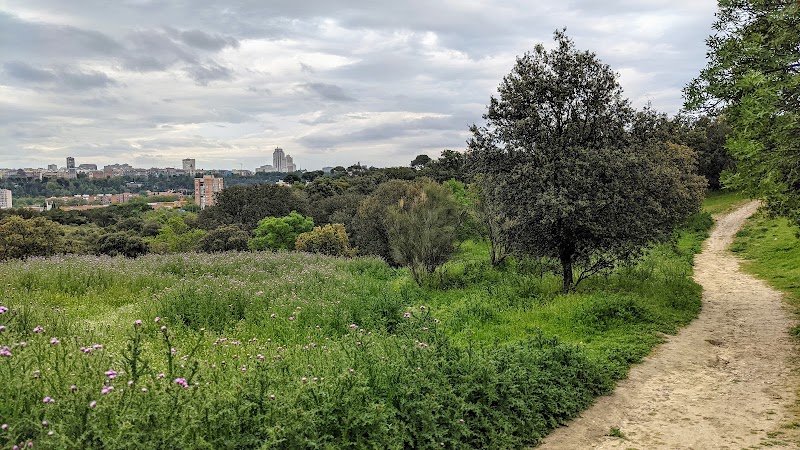
Casa de Campo is the largest green space in Madrid, spanning over 1,700 hectares on the western edge of the city. Originally a royal hunting estate created by King Philip II in the 16th century, it was opened to the public in 1931, offering a vast natural escape within an urban setting. This unique mix of expansive forests, rolling hills, and open meadows provides visitors with broad views of the city skyline, making it a standout natural retreat.
The park's diverse landscape features wooded areas dominated by holm oak and pine trees, scattered wildflowers, and sheltered lakeside spots. One notable highlight is the Lago area, a peaceful lake surrounded by places to picnic and lakeside cafes. Remnants of historical significance, including Spanish Civil War bunkers and the Valdeza Aqueduct, add cultural depth amidst the natural beauty.
Casa de Campo also hosts the Madrid Zoo Aquarium and a major amusement park, which coexist with its walking paths, wide cycling routes, and nature trails. The terrain’s hills provide elevated viewpoints that welcome panoramic views over both the park and Madrid city. With easy access via Metro’s Lago station, Casa de Campo is an inviting destination offering urban respite and outdoor enjoyment without leaving Madrid's boundaries.
This combination of nature, history, recreational facilities, and accessibility makes Casa de Campo an exceptional landmark in Spain’s capital region, perfect for visitors looking to unwind outdoors.
This site features extensive natural landscapes and recreational trails within a major city, offering unique urban-nature integration. While it provides well-maintained paths, historical landmarks, and diverse flora, it lacks rare geological formations or striking natural phenomena that would elevate it to the highest levels of iconic natural landmarks. Its role as a large urban park with strong historical ties and diverse activities gives it solid appeal, especially for casual nature outings and biking, but it does not rank among the world’s most unique or untouched natural destinations.


