About This Adventure Destination
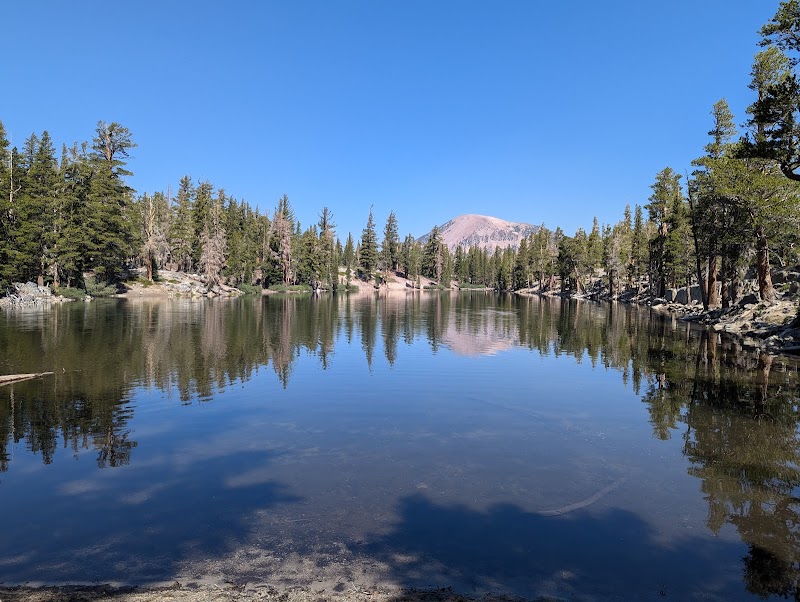
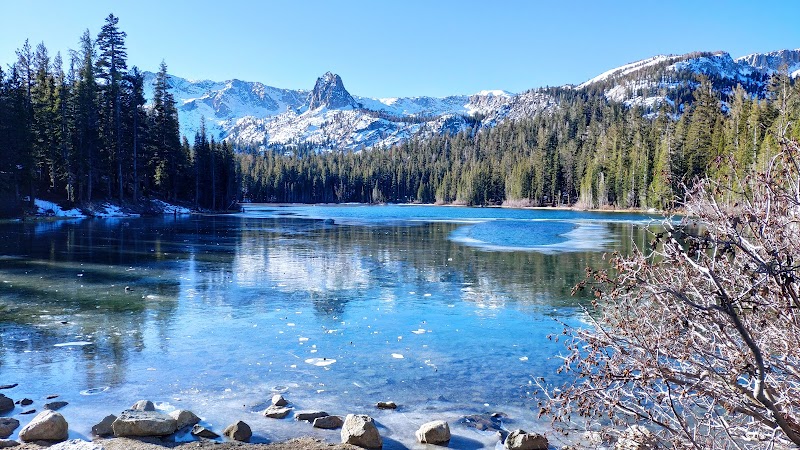
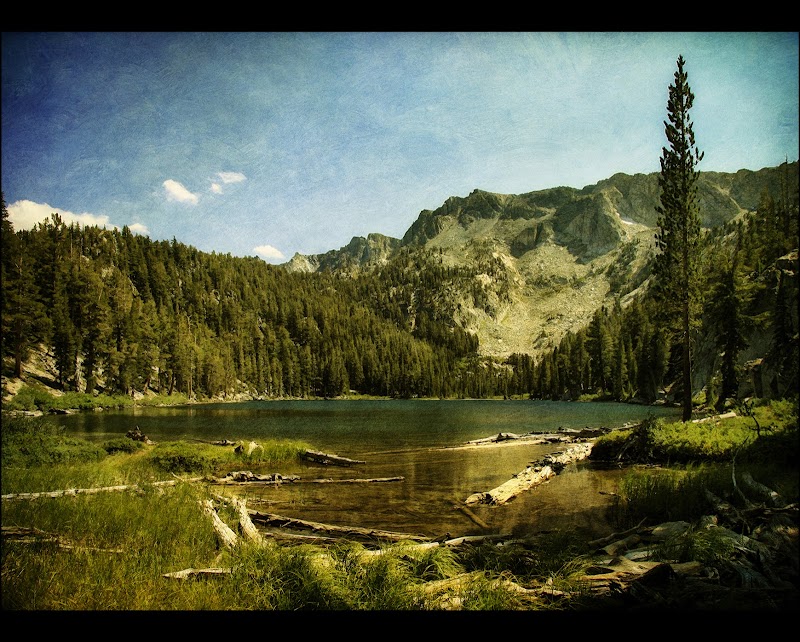
T J Lake is a quiet mountain lake located in the eastern Sierra Nevada near Mammoth Lakes, California, a region renowned for its diverse outdoor recreation. This alpine lake stands out because it offers visitors a peaceful retreat amid a striking combination of lush pine forest and rugged mountain peaks. Unlike more crowded local lakes, T J Lake’s allure lies in its seclusion and natural beauty, making it a favored spot for those seeking serenity away from developed resorts. The lake itself is a small glacial basin surrounded by conifers and scattered fallen logs, creating tranquil waters that reflect the dramatic mountain backdrop. The surrounding terrain features granite rock formations typical of the Sierra Nevada, adding geological interest to the landscape. Seasonal wildflowers and common sightings of local bird species enhance the natural setting. Historically, this area has long been appreciated by hikers and anglers, with its calm waters supporting populations of rainbow trout. While not extensively developed, it maintains an inviting atmosphere for backpackers and day hikers eager to experience an authentic high-elevation Sierra lake without the bustle. T J Lake’s location along the Mammoth Lakes hiking corridor means visitors can integrate it into longer treks or use it as a destination for fishing and quiet relaxation. Its moderate elevation offers cool mountain air and scenic views throughout the warmer months, making it an excellent summer escape for nature lovers. The lake’s accessibility combined with its relatively untouched character invites visitors to enjoy the natural splendor of California’s eastern Sierras in a gentle, grounding way.
This destination scores well for its tranquil alpine setting and appealing moderate hike that is less crowded compared to nearby lakes. It offers unique natural features such as glacially formed basin and granite surroundings, ideal for visitors seeking a peaceful mountain lake experience. However, its smaller scale, presence of mosquitoes in summer, and limited facilities moderate its iconic status compared to larger or more dramatic natural landmarks.