About This Adventure Destination
Convict Lake Trail – A Picturesque Mountain Lake
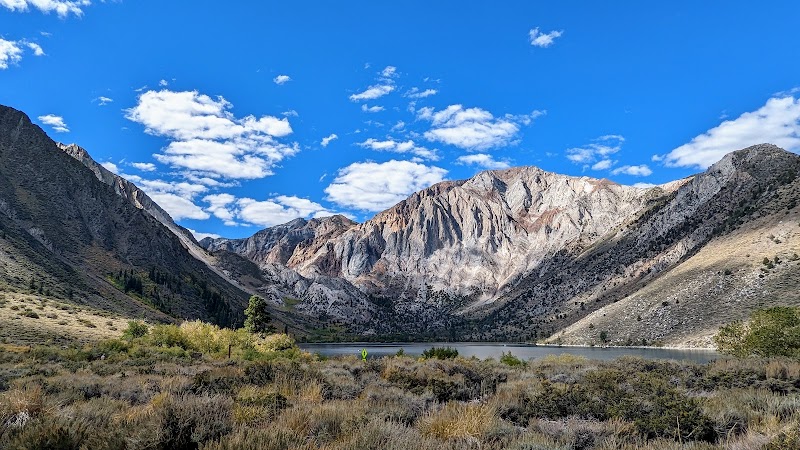
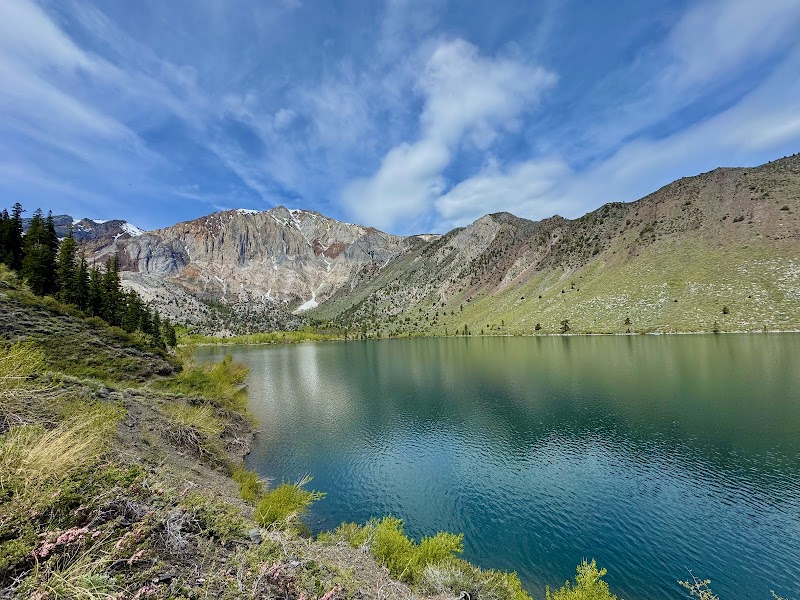
Located in the eastern Sierra region of California, Convict Lake Trail offers visitors a stunning outdoor experience centered around a crystal-clear alpine lake surrounded by dramatic mountain peaks. This trail provides easy access to vibrant blue waters that reflect rugged cliffs, with towering granite formations creating an unforgettable backdrop. The lake is known for its clarity and trout-filled waters, attracting anglers as well as hikers and photographers alike.
Key Features and Unique Elements
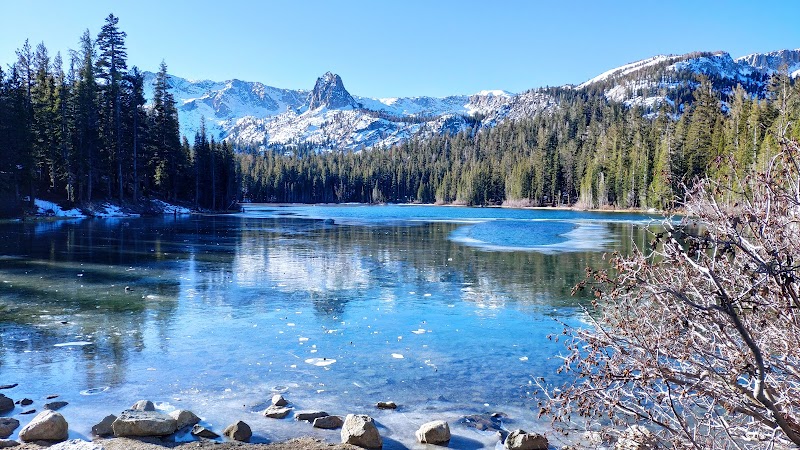
Convict Lake is unique for its glacial origins and dramatic geological formations. The surrounding peaks are part of the Sierra Nevada range, with steep granite walls carved by ancient glaciers, giving the area a rugged yet tranquil feel. The trail runs close to the water’s edge for much of the hike, making it possible to enjoy panoramic views, wildflowers, and wildlife such as deer and native birds. Seasonal changes bring varying colors to the landscape, from snow-capped mountains in winter to lush greenery in spring.
The lake’s name traces back to a dramatic 19th-century event involving escaped convicts, adding a layer of local history to the site. Visitors often appreciate both the scenic beauty and the story behind the name.
Why It Stands Out
Convict Lake Trail stands out due to its accessibility combined with breathtaking scenery. It offers an easy to moderate hike suitable for families, yet provides enough natural variety to satisfy more seasoned outdoor enthusiasts. Its proximity to high Sierra outdoor destinations makes it a favored spot for day visitors wanting memorable mountain views without extensive trekking.
Convict Lake Trail is well loved for its accessible yet scenic hiking and fishing opportunities in the eastern Sierra. While it offers beautiful alpine lake views and interesting local history, it is more of a regional standout than a globally iconic natural landmark. It ranks highly for natural beauty and visitor amenities but does not reach the highest tier reserved for the rarest world-class natural formations.