About This Adventure Destination
The Atlas Mountains stretch across Morocco, Algeria, and Tunisia, creating an expansive and varied landscape that stands out in North Africa. Located just south of Marrakesh in Morocco, this mountain range offers a dramatic contrast to the nearby deserts and coastlines, combining rugged peaks, fertile valleys, and unique ecosystems. The High Atlas section is especially famous for hosting Mount Toubkal, the tallest peak in North Africa, rising to 4,167 meters. This range is clearly defined by its geological diversity, including ancient rock formations and dense cedar forests that harbor rare and endangered wildlife.
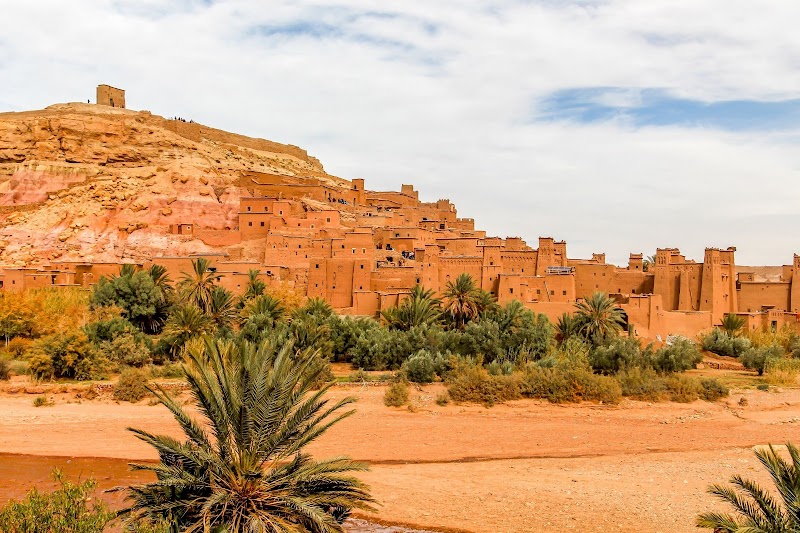
Key features include soaring peaks, crystal-clear mountain streams, and traditional Berber villages perched along the slopes. Visitors can see Barbary macaques in the forests and diverse plant species such as the iconic Atlas cedar and European black pine. The landscape alternates between arid ridges and lush agricultural valleys where local people cultivate fruits, vegetables, and aromatic argan trees. Cultural history weaves through the region, with centuries-old Berber customs still practiced, and well-preserved earthen architecture found in nearby villages.
This mountain range holds ecological significance with species like the Atlas mountain viper and northern bald ibis present, offering a distinct natural experience. The contrast between the snowy peaks in winter and sun-drenched valleys below creates spectacular views year-round, making the Atlas Mountains a remarkable destination for visitors seeking both natural beauty and cultural richness.
### LaunchPad ValueThe Atlas Mountains' geographic beauty and cultural significance offer a captivating experience for visitors. However, as a mountain range itself, it lacks the distinctiveness of other natural formations like singular peaks or waterfalls, making it less iconic on its own.#mountains #hiking #Morocco #AtlasMountains #adventure