About This Adventure Destination
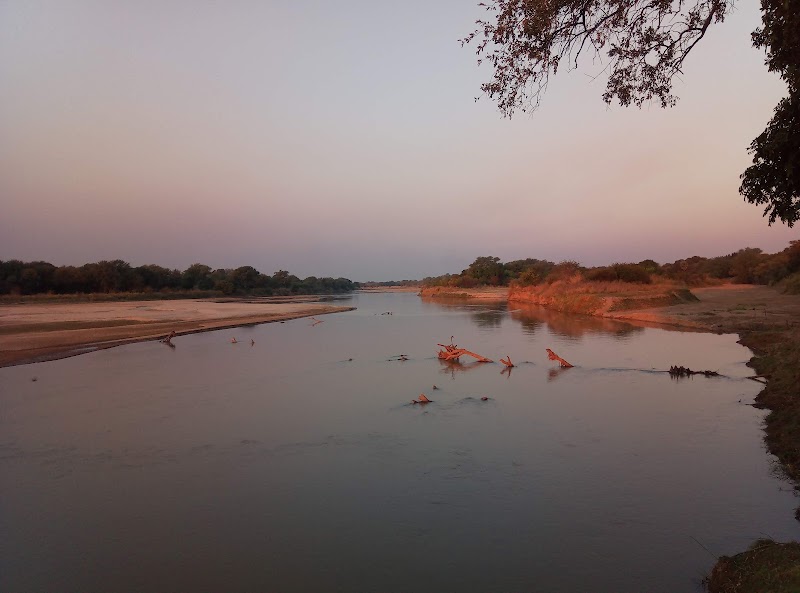
Located primarily in the Eastern Province of Zambia, the Luangwa River flows through one of Africa's most pristine wilderness areas, making it a vital natural landmark in the region. This river is renowned for its picturesque bends, seasonal floodplains, and abundant wildlife, flowing through South Luangwa National Park, a celebrated wildlife sanctuary.
The Luangwa River is distinctive for its rich biodiversity and crucial role in sustaining vast populations of animals such as elephants, hippos, crocodiles, and numerous bird species. The riverbanks are lined with dense vegetation including acacia trees and mopane woodlands, creating ideal habitats for species adapted to this unique ecosystem. The seasonal flooding shapes the landscape, forming oxbow lagoons and rich grazing grounds, enhancing its ecological significance.
Historically, the river has been central to local communities who rely on it for fishing, agriculture, and transportation. South Luangwa National Park, established in 1972, surrounds much of the river’s course, conserving the natural environment and offering visitors one of the best wildlife experiences in Africa. The park’s walking safaris and game drives highlight the river’s correlation with animal activity, especially during the dry season when wildlife congregates on its banks.
Luangwa River stands out as a destination because it offers a relatively untouched natural environment with excellent opportunities for observing African wildlife in their natural habitat. The combination of the river's dynamic flow, exceptional biodiversity, and natural beauty makes it a remarkable outdoor attraction for nature lovers and adventurers seeking authentic landscapes far from urban centers.
The Luangwa River is a highly valued natural landmark known for its exceptional wildlife viewing opportunities and ecological importance in Zambia. While not as internationally famous as some larger landmarks, it offers a uniquely immersive experience for nature enthusiasts and is critical for sustaining diverse animal populations, earning it a strong but not top-tier ranking.


