About This Adventure Destination
Dow Gardens and the Whiting Forest, located in Midland, Michigan, offer visitors a chance to enjoy a beautifully designed blend of botanical gardens and natural forest landscapes. Spanning 110 acres, this destination stands out in the Great Lakes region for its vibrant seasonal floral displays and the United States’ longest canopy walk. The gardens invite visitors to witness carefully curated flower beds, diverse wildlife habitats, and peaceful water features, creating a serene environment perfect for relaxation and reflection.
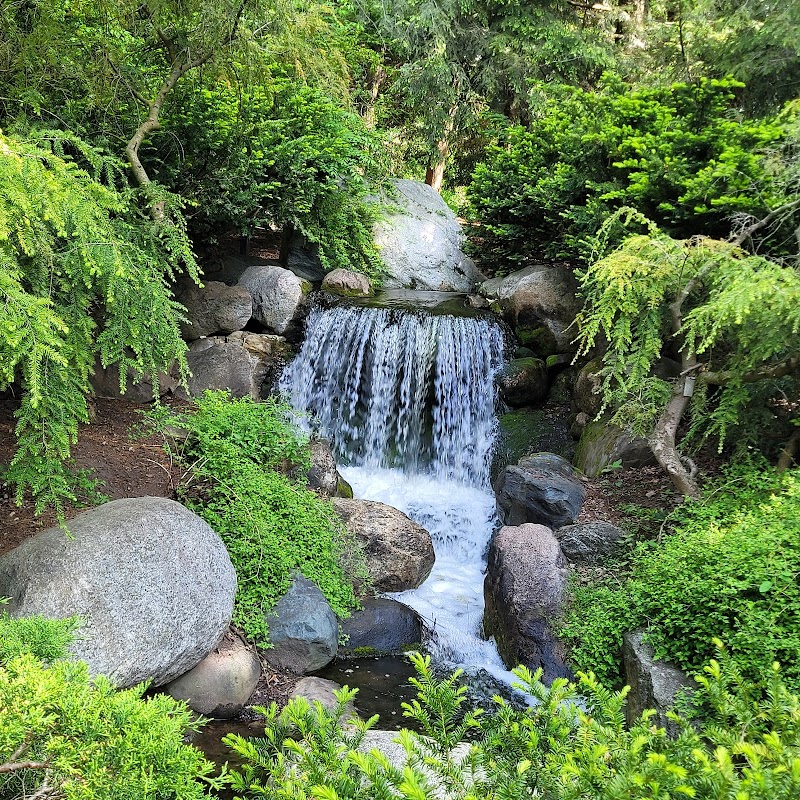
Key highlights include the Whiting Forest canopy walk, which extends over 1,400 feet above the forest floor, offering impressive views of towering hardwood trees and native plants like wildflowers, ferns, and towering oaks. The canopy’s wooden suspension bridges and open-air platforms let visitors feel immersed in the natural surroundings from an elevated perspective. Photographer favorites also include the cascading waterfall flowing over large boulders, framed by lush greenery, perfect for capturing nature’s softer moments.
Dow Gardens was originally established in 1899 and has evolved as a community space dedicated to horticultural excellence and environmental education. Among its unique features is the interactive children’s garden, where young visitors can pick fruits and vegetables during the growing season. The Butterfly Exhibit is another seasonal highlight that attracts visitors eager to observe delicate butterflies up close in a conservatory setting.
This destination provides year-round appeal: vibrant blooms in spring and summer, colorful foliage in autumn, and peaceful winter walks. Its paved pathways, accessible facilities, and ample signage make it welcoming for visitors of all ages and abilities. Dow Gardens and Whiting Forest combine thoughtful gardening artistry with woodland charm, making it a distinctive Midwest destination for nature lovers and families alike.
Dow Gardens and Whiting Forest offer an exceptional combination of horticultural artistry and natural landscapes. The canopy walk is a distinct feature, but the landmark does not represent a unique natural formation such as a mountain or canyon.