About This Adventure Destination
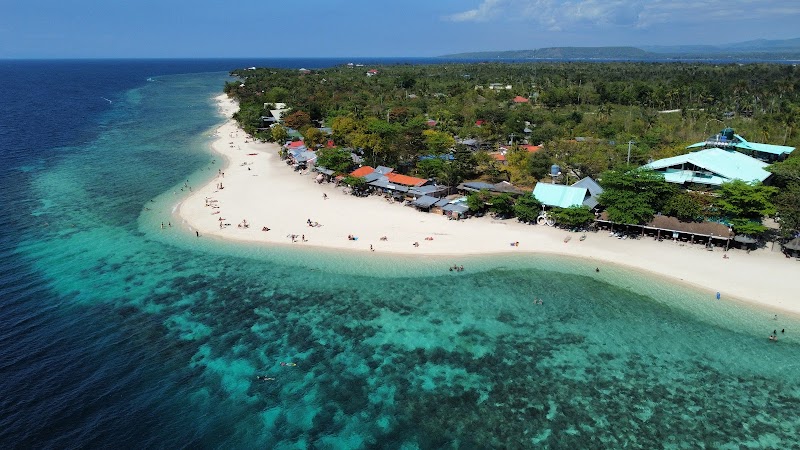
Located on the southwestern coast of Cebu Island in the Philippines, White Beach Moalboal offers visitors a spectacular natural setting that’s both inviting and vibrant. This stretch of fine white sand is backed by lush greenery and gently slopes into calm, crystal-clear waters, creating a perfect environment for beach lovers and nature enthusiasts alike.
The standout feature here is the stunning clarity of the water and the vibrant coral reefs just offshore. These reefs are teeming with diverse marine life, including colorful fish and the occasional sighting of sea turtles, making this one of the top snorkeling spots in the region. Its natural formation as a long, narrow beachfront provides both privacy and space, with quieter areas just a short walk away from the busier main section.
Uniquely, White Beach Moalboal boasts coral ecosystems easily accessible from the shore without the need for boats, which is a rarity among tropical beach destinations. This natural setup attracts both casual swimmers and avid snorkelers who appreciate the ease of access to underwater wonders.
While popular for its natural beauty, White Beach is part of the larger Moalboal area, known for its marine biodiversity and nearby diving sites, including renowned sardine runs. The beach itself is simple and tranquil, with some small local eateries nearby offering fresh Filipino seafood. Visitors value the unspoiled feel it still retains despite increased tourism.
Its combination of soft white sands, clear marine waters, and abundant aquatic life create a uniquely appealing natural destination on Cebu. Ideal for those seeking a beach escape with excellent snorkeling and a relaxed atmosphere, White Beach Moalboal highlights the natural coastal charm of the Philippines.
White Beach Moalboal offers exceptional snorkeling and natural coastal beauty, making it a highly recommended destination for water sports and marine life viewing. However, while stunning, it is less unique than the world's most dramatic natural landmarks such as rare geological formations or protected wilderness areas, and its proximity to developed areas and relative accessibility moderate its overall icon status.