About This Adventure Destination
Triglav – Slovenia’s Highest Peak and Natural Gem
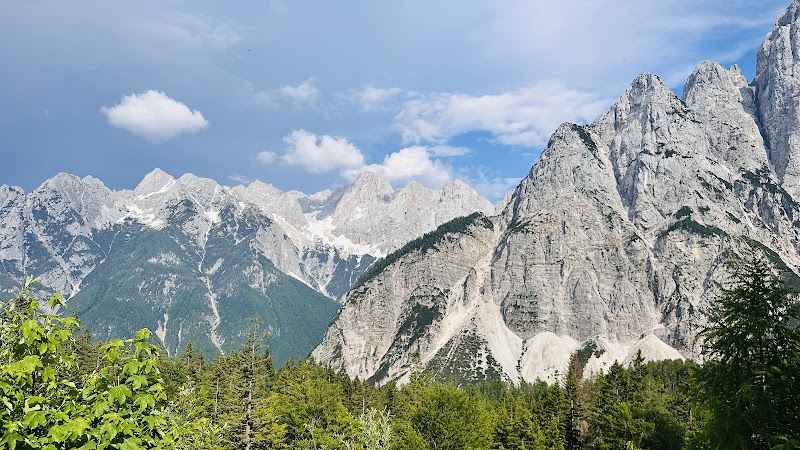
Rising prominently above the Julian Alps, Triglav stands as Slovenia’s tallest mountain and a landmark that captures the essence of Alpine beauty. Located near the charming town of Mojstrana, this granite peak reaches 2,864 meters and is part of the Triglav National Park, Slovenia’s only national park established to protect this unique Alpine ecosystem. The mountain’s name means 'three heads,' a nod to its distinctive triple summit, which has become a symbol of Slovenian pride.
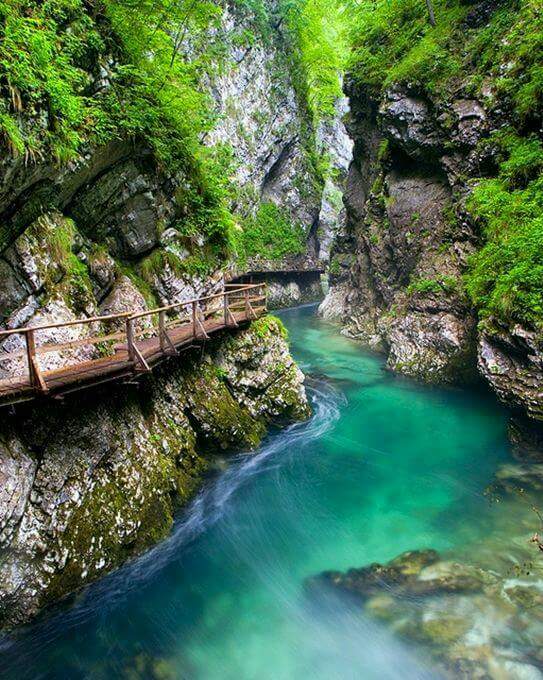
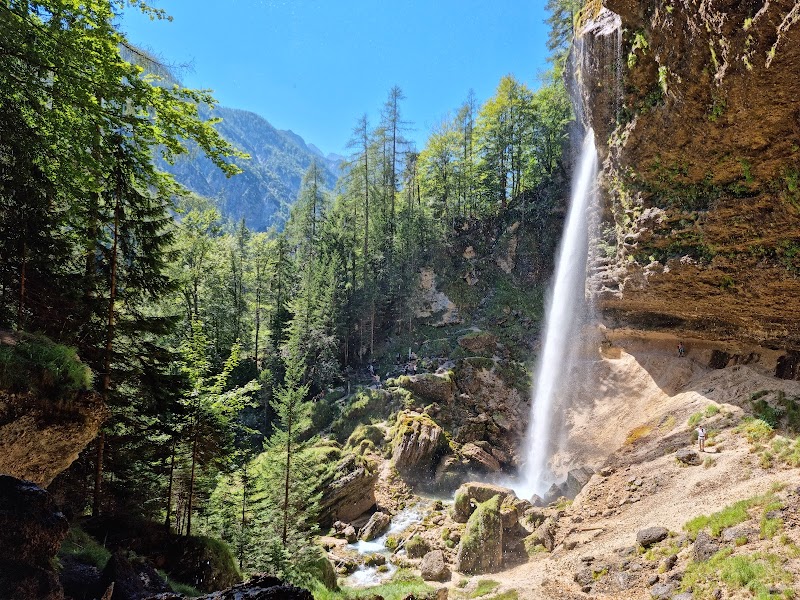
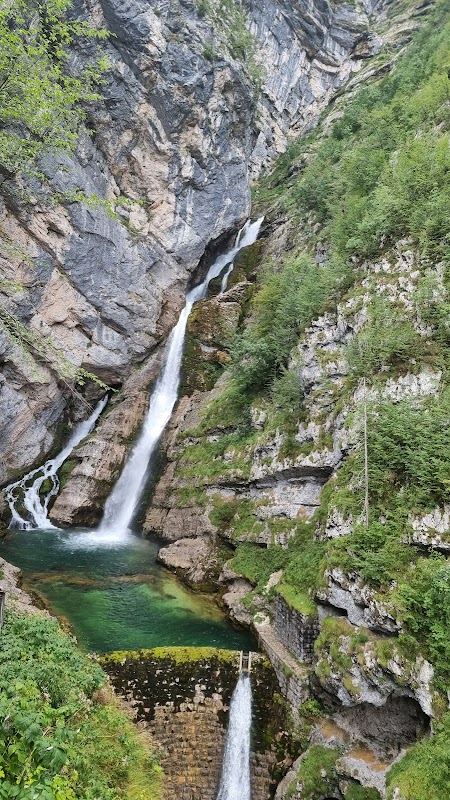
This rugged landscape features steep cliffs, glacial valleys, and crystal-clear alpine lakes such as Lake Bohinj nearby, offering a striking contrast of rocky terrains with vibrant greenery. Triglav is known for its diverse flora, including rare Alpine flowers and forests of spruce and fir trees. Wildlife like chamois and golden eagles are often spotted soaring overhead or navigating the cliffs.
Culturally, Triglav holds deep significance in Slovenian folklore and national identity. Its peak has long been a goal for climbers and adventurers, with the first documented ascent dating back to 1778. The mountain’s summit cross is a traditional marker seen in many photos capturing sunrise views.
Visitors appreciate the combination of majestic natural panoramas and calm alpine wilderness, making it a fitting destination for those who enjoy challenging climbs or simply admiring nature’s grandeur. The proximity to Mojstrana allows for comfortable access without losing the remote Alpine feel. Triglav offers a powerful snapshot of Slovenia’s rugged highlands and its enduring outdoor spirit.
Triglav is highly regarded for its status as the highest peak in Slovenia and for offering challenging climbs with stunning natural landscapes. Its unique triple peak and cultural significance make it a standout destination in the Julian Alps region. However, although iconic locally and regionally, it is less internationally recognized compared to global Alpine giants like Mont Blanc, placing it just below the threshold for the absolute top tier of natural landmarks.