Mount Richard-Molard: Nature's Masterpiece
Adventure Destination

Mount Richard-Molard: Nature's Masterpiece

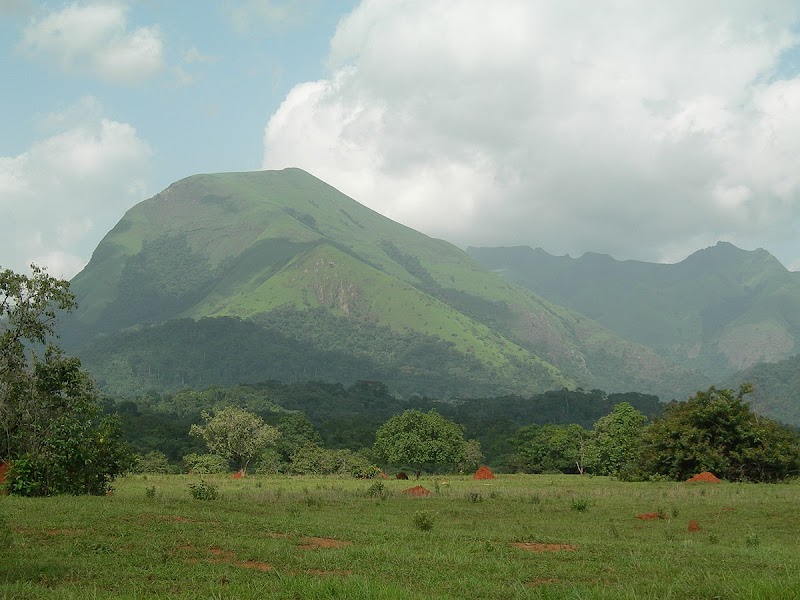
Explore Mount Richard-Molard, West Africa's tallest peak straddling Ivory Coast and Guinea. Adventurous hike with rich biodiversity, featuring endemic species and stunning vistas. Best during November to February, it's a remote escape for nature and wildlife enthusiasts.

Hiking8.7/10Hard
Photo Gallery

Category

Hiking

Typical Duration

2-4 hours

Difficulty

Hard

About This Adventure Destination

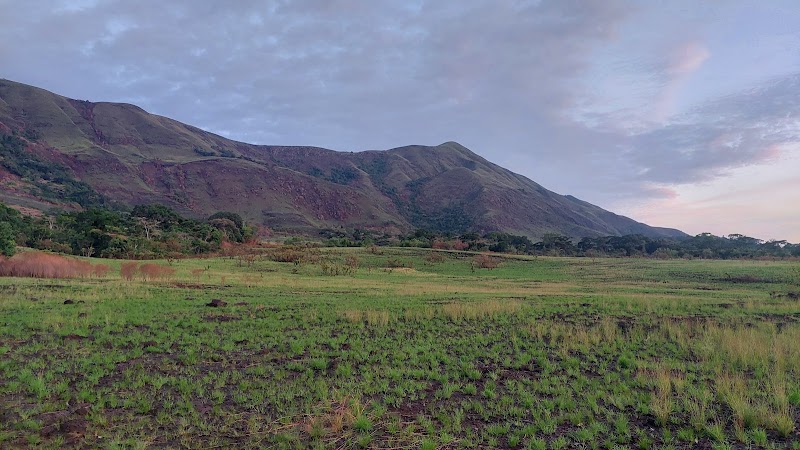
Mount Richard-Molard, also known as Mount Nimba, rises majestically on the border between Guinea and Ivory Coast within West Africa's Nimba Range. This mountain is remarkable as the highest point in the region, reaching an elevation of 1,752 meters (5,748 feet). Its steep, green slopes are covered by dense forest that gradually shifts to rare alpine grasslands near the summit. The landmark stands out as a critical spot of natural importance due to its unique combination of geological formations and rich biodiversity.

The area surrounding Mount Richard-Molard has been designated a UNESCO World Heritage Site, honoring its diverse and often exclusive plant and animal species. Among its distinctive wildlife are the Nimba viviparous toad, which gives birth to live young rather than laying eggs, and the elusive Western Nimba chimpanzee, found only in this region. The mountain’s varied ecosystems create a remarkable habitat that supports several endemic species, making it an important site for biological research as well as nature appreciation.

Visitors are drawn by the mountain’s dramatic elevation changes and panoramic views over the bordering countries. The ascent involves walking through dense, moist tropical forest, crossing slippery terrain, and eventually reaching exposed rocky sections near the peak. Nearby villages and research centers sometimes welcome guests, providing guided treks and cultural insights into local life. Mount Richard-Molard has a strong presence in local culture and history, reflecting the deep connection people have with this towering landmark in West Africa’s natural landscape.


Editorial Assessment

Mount Richard-Molard is a remarkable natural destination due to its unique biodiversity and ecological significance, offering a beautiful and less-traveled adventure for nature enthusiasts. While stunning, it lacks the global renown of more iconic peaks, which slightly lowers its score.#MountRichardMolard #NimbaRange #WestAfrica #Hiking #Biodiversity #NaturalWonders #IvoryCoast #Guinea #Ecotourism
Mount Richard-Molard: Nature's Masterpiece

Adventure Guide to Mount Richard-Molard: Nature's Masterpiece

1

1. Hiking the Summit

  • What Makes It Special:

    Climbing to the peak offers sweeping views of Guinea and Ivory Coast’s countryside and the chance to pass through different ecological zones.

  • Key Features:

    Dense green forests, misty mountain air, and rare species sightings.

  • Visitor Tips:

    Best visited during the dry season (November to February) to avoid heavy rains and slippery trails. Hikes require a local guide—arrangements can be made in nearby Bossou. Bring water, sturdy hiking boots, and insect repellent.

2

2. Wildlife Watching

  • What Makes It Special:

    Unique opportunity to observe endemic species like the Western Nimba chimpanzee and Nimba viviparous toad in their natural habitat.

  • Key Features:

    Birdwatching hotspots, rare amphibians, and primates.

  • Local Insights:

    The mountain forms part of a protected reserve, so visitors should respect all conservation regulations and avoid disturbing wildlife.

  • Visitor Tips:

    Binoculars and cameras are highly recommended. Maintain silence and keep a safe distance from animals.

3

3. Cultural and Ecotourism Experiences

  • What Makes It Special:

    Engage with local communities near the mountain for authentic cultural exchanges and support sustainable tourism.

  • Key Features:

    Guided treks with local experts, visits to research stations, and traditional village hospitality.

  • Visitor Tips:

    Learning simple phrases in French or local languages enriches communication. Plan your stay near Bossou, the usual base for mountaineers. ---

4

Getting There & Practical Advice

  • Directions:

    From Conakry (Guinea’s capital), it’s approximately a 6-hour drive to Bossou. From Yamoussoukro (Ivory Coast), travel times are longer with less frequent roads. Use a 4x4 vehicle for rough terrain near the mountain.

  • Best Time to Visit:

    November to February (dry season).

  • What to Bring:

    Hiking boots, rain gear, water, insect repellent, sunscreen, camera, and a basic first aid kit.

  • Local Insight:

    Weather changes quickly at high altitude. Start early in the day to avoid afternoon rains or fog.

Reviews

M
Mohamed exaucé Konatéa month ago

Awesome

S
Souleymane Sylla11 months ago

Great destination! Enjoyed the open trail and peaceful outdoor atmosphere.

Z
Zoulkanerou TOROUa year ago

Great destination! Enjoyed the open trail and peaceful outdoor atmosphere.

S
Sergent OSAa year ago

Very interesting

L
Lamine Dialloa year ago

Guinea 🇬🇳🇬🇳🇬🇳🇬🇳

Nearby Adventures

Bookable Experiences

Buggy 1000cc: Two Hours Through Sal’s Salt Flats, Dunes and a Hidden Oasis1116.8 mi
Santa Maria, Sal

Buggy 1000cc: Two Hours Through Sal’s Salt Flats, Dunes and a Hidden Oasis

A focused two-hour buggy ride from No Limits Adventure that threads the southern coast of Sal, visiting Salinas de Santa Maria, Serra Negra and the secluded Oásis Palha Verde — this guide explains what to expect and what to bring.

1116.8 miView Trips & Details →
Jet-skiing off Santa Maria: a focused, high-quality ride with transfer included1118.7 mi
Santa Maria, Sal

Jet-skiing off Santa Maria: a focused, high-quality ride with transfer included

A short to multi-hour jet-ski outing from Santa Maria on Sal with friendly staff and quality equipment—this guide explains who can go, what to bring and how the transfer meeting works.

1118.7 miView Trips & Details →
Boa Vista Coral: Dunes, turtles and sea caves on a seven‑hour island loop1130.8 mi
Boa Vista

Boa Vista Coral: Dunes, turtles and sea caves on a seven‑hour island loop

A full‑day (7‑hour) excursion around Boa Vista that pairs sandboarding, wildlife sightings and seaside geology — this guide distills what to expect and what to bring.

1130.8 miView Trips & Details →
Scooter Rent 125cc on Boa Vista: Island freedom from Sal Rei at your own pace1140.7 mi
Sal Rei, Praia

Scooter Rent 125cc on Boa Vista: Island freedom from Sal Rei at your own pace

Rent a 125cc scooter from Menzel Cabo Verde for a day and navigate Boa Vista’s attractions on a flexible, self-directed itinerary—pickup is in the morning and return late afternoon, so plan transfers and timing with your hotel.

1140.7 miView Trips & Details →
Alugue um Quad — Explore Boa Vista’s Raw Shorelines at Your Own Pace1142.8 mi
Sal Rei, Cape Verde

Alugue um Quad — Explore Boa Vista’s Raw Shorelines at Your Own Pace

A full-day 4x4 quad rental that gives independent travelers the freedom to leave the tourist routes and trace their own path across Boa Vista’s beaches, villages and viewpoints.

1142.8 miView Trips & Details →
Nightwatch on Boa Vista: Witness Loggerhead Turtles on the Island’s Protected Beaches1143.3 mi
Sal Rei, Boa Vista

Nightwatch on Boa Vista: Witness Loggerhead Turtles on the Island’s Protected Beaches

A three-hour, guided nighttime tour (June–October) to observe loggerhead turtle nesting and, at season's end, hatchlings — with part of the excursion supporting marine conservation.

1143.3 miView Trips & Details →