About This Adventure Destination
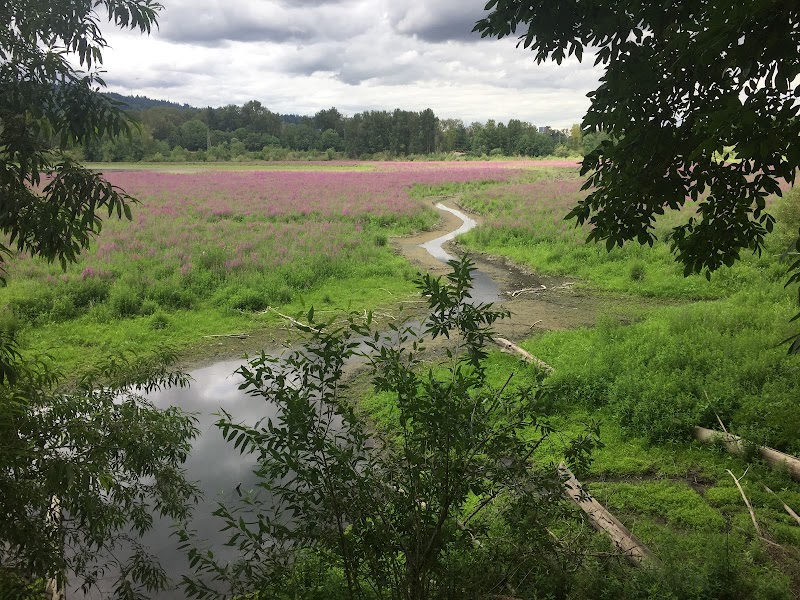
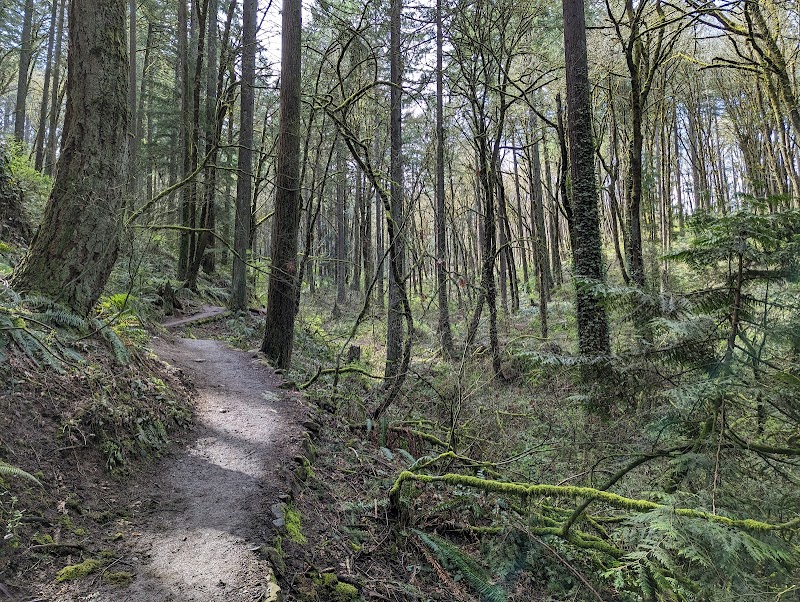
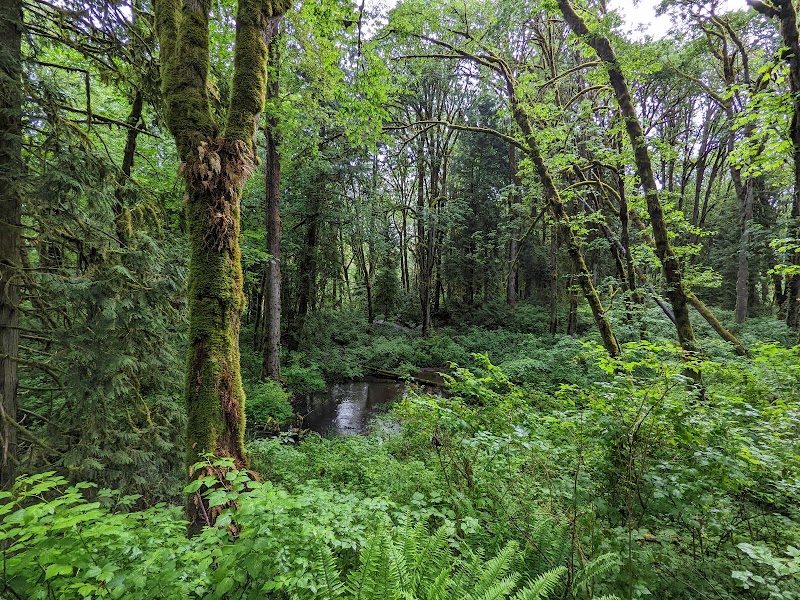
Tryon Creek State Natural Area offers a refreshing natural retreat within the Portland, Oregon metro region, standing out as one of the rare dense forest parks inside a bustling urban environment. This 645-acre state park is centered around Tryon Creek, a serene waterway winding through rich Douglas fir and western red cedar forests, providing visitors with tranquil creekside views and the chance to see native wildlife such as beavers, owls, and salmon during spawning seasons. The park’s unique blend of old-growth and second-growth forest creates a thick canopy, filled with abundant ferns, moss-covered trees, and native shrubs, making it a standout example of Pacific Northwest ecosystem restoration. Established as a state park in 1975, Tryon Creek has long held cultural significance, with historical roots tied to the indigenous peoples of the region and early European settlers, whose homesteads once bordered the creek. This natural area offers a peaceful reprieve from urban life, presenting a thick network of multi-use trails for walking, running, and horseback riding. Its accessibility from Portland’s south suburbs makes it a popular spot for both locals and visitors seeking a convenient outdoor experience without leaving the city limits. Trails gently follow the creek, crossing over charming wooden bridges and passing through peaceful wetlands that captivate any nature lover. The blend of lush green forests and flowing water gives this park a distinct charm—perfect for anyone looking to enjoy Pacific Northwest nature with ease.
Tryon Creek State Natural Area is a well-loved urban forest park offering accessible nature trails and a peaceful creek environment within the Portland area. It provides excellent outdoor recreation opportunities right near a major city but does not feature a uniquely rare natural formation or geological feature typically seen in the top tier of iconic landmarks worldwide. The park is outstanding for regional ecological restoration and urban outdoor activities but falls short of the global uniqueness threshold.