About This Adventure Destination
North Sentinel Island in the Andaman and Nicobar Islands: A Unique Coastal Habitat
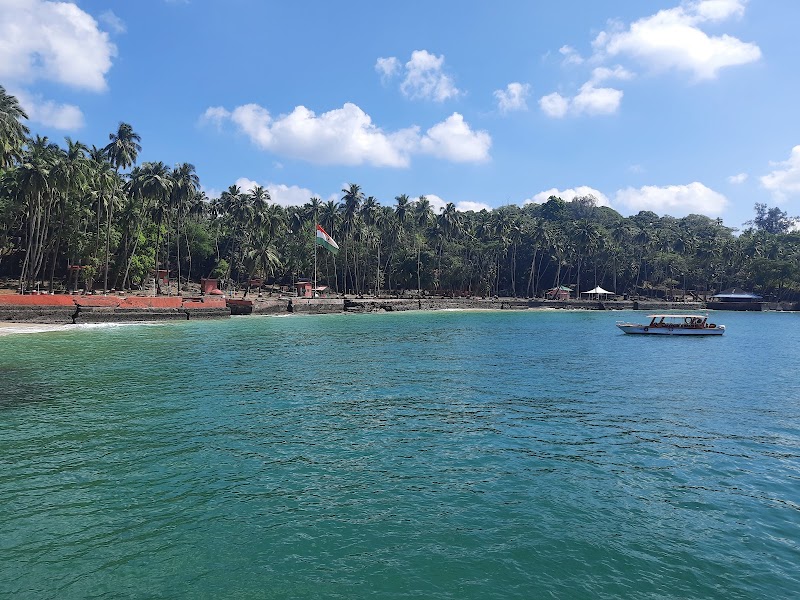
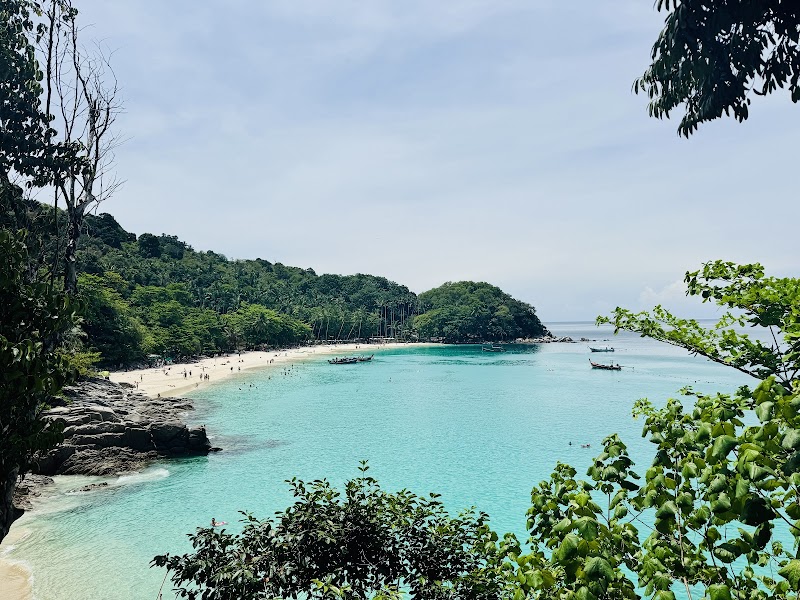
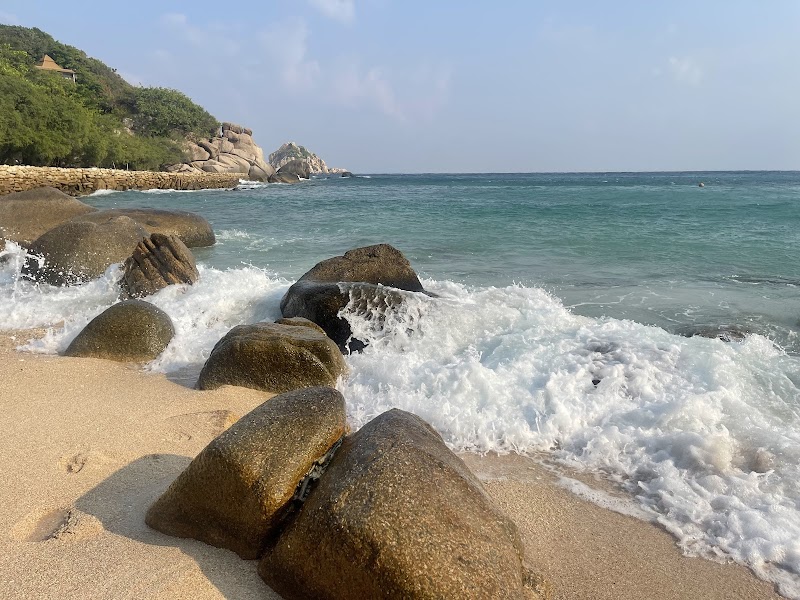
North Sentinel Island, part of the remote Andaman and Nicobar archipelago in the Bay of Bengal, stands out as one of the most isolated natural environments on Earth. This small island, embraced by white sandy shores and fringed with coral reefs, features dense tropical forests that rise directly from its narrow beaches. The island’s flora consists predominantly of thick mangroves and tropical hardwoods, providing a lush green backdrop against the clear, turquoise sea.
The defining aspect of this location is its near-pristine ecological condition and its status as home to one of the last uncontacted indigenous tribes, who have maintained their isolation for centuries. This cultural situation makes the island not only a geographical marvel but also a living example of human history existing alongside nature with minimal outside influence.
The surrounding coral reefs support diverse marine life, and the island’s coastal waters are rich in fish and other sea creatures. Its untouched beaches offer natural nesting grounds for sea turtles and a habitat for various bird species.
Visitors are drawn to the area for its remote wilderness and scientific interest, but access restrictions preserve its delicate balance and respect the indigenous peoples’ wish for solitude. This combination of unique ecological features and cultural preservation makes North Sentinel Island a remarkable example of a secluded natural sanctuary within the Indian Ocean region.
North Sentinel Island scores moderately high due to its unique untouched ecosystem, rare cultural significance with an uncontacted tribe, and pristine marine environment. However, restricted access reduces its appeal as a conventional visitor destination, limiting activities to observation rather than direct exploration. Its importance lies more in natural preservation and anthropological interest than typical adventure tourism.