About This Adventure Destination
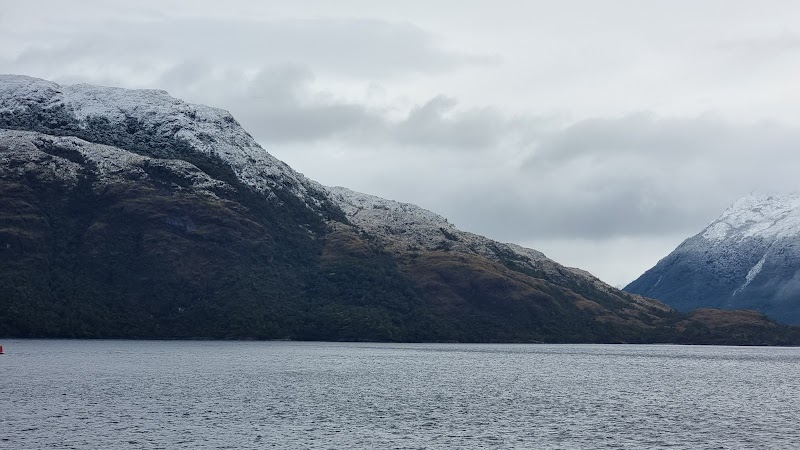
The Strait of Magellan is a striking natural waterway located at the southern tip of Chile, acting as a marine passage between the Atlantic and Pacific Oceans. Stretching over 580 kilometers, this strait winds its way through fjords and rugged coastlines, creating a dramatic landscape marked by steep cliffs and snow-capped peaks. Unique in its geography, it serves as an essential shipping route and offers breathtaking views that have captivated travelers for centuries. The area’s cool, often windy climate shapes a distinct environment where marine life thrives, including colonies of Magellanic penguins, sea lions, and various seabirds that attract nature lovers.
Beyond its natural beauty, this strait carries significant historical weight. Discovered in 1520 by the Portuguese explorer Ferdinand Magellan during his quest to find a western route to the Spice Islands, the channel quickly became vital for navigation before the Panama Canal existed. Its unpredictable weather and strong currents challenged even the most skilled sailors, adding to the region’s intrigue.
Visitors to the Strait of Magellan can witness glacier fields from distant peaks, contrasting sharply with the deep blue waters. Punta Arenas, the main Chilean city on the strait’s banks, serves as a cultural and logistical hub with museums highlighting regional history and opportunities to see local wildlife up close. Each view and experience here offers a striking combination of raw wilderness and centuries-old maritime heritage, making the Strait of Magellan a standout destination in Patagonia’s far south.
### LaunchPad ValueThe Strait of Magellan scores an 85 due to its historical significance and unique natural environment, offering a blend of maritime history and wildlife exploration. While iconic, its remote location makes it less accessible, preserving its pristine condition but limiting its immediate recognition worldwide.#Chile #Wildlife #Hiking #Penguins #History #StraitOfMagellan #AdventureTravel