About This Adventure Destination
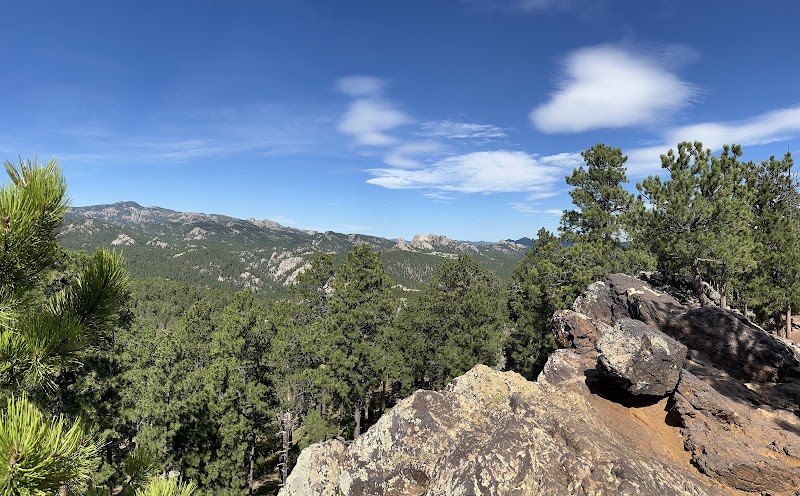
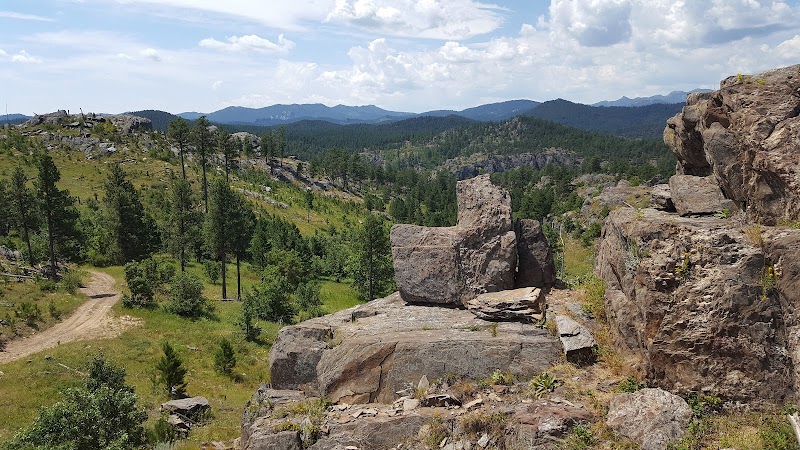
The Hippie Hole Trail near Mount Rushmore, South Dakota, offers a striking combination of rugged hiking and natural swimming experiences. This outdoor spot is known for its unique geological formations and a popular river swimming hole set within a forested landscape. The trail descends steeply through mixed coniferous forest to the creek below, where large boulders and rock slabs create an inviting swimming area often frequented by adventurous visitors during warmer months. The rock formations here are part of the Black Hills range, composed primarily of granite and metamorphic rocks, which contribute to the distinctive terrain and scenic views.
What makes this location stand out in the region is the blend of hiking difficulty and the rewarding natural water feature at the trail’s end. Though the trail can be challenging due to its steep, rocky sections and loose gravel, it presents a true backcountry experience with minimal signage and fewer crowds compared to more commercial sites. Visitors also often note the peaceful surroundings and local wildlife including various bird species and small mammals typical to South Dakota’s forest ecosystems.
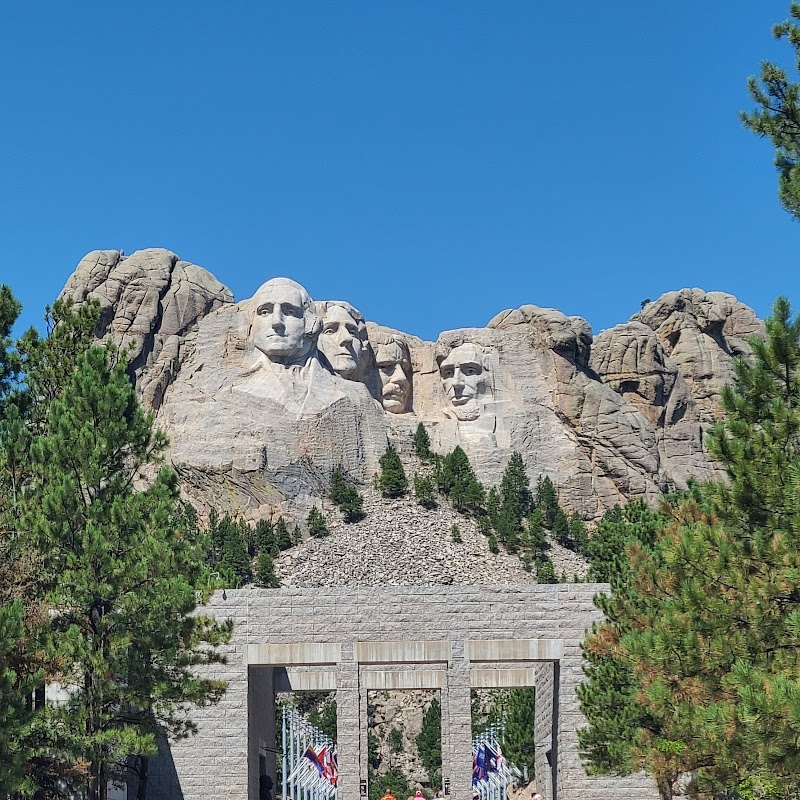
Historically, the Black Hills have been sacred lands to indigenous peoples and are rich in both natural beauty and cultural significance. While Hippie Hole itself isn’t officially within a national park, it's prized for its raw outdoor character just a short drive from the Mount Rushmore area.
Overall, Hippie Hole Trail delivers an unpolished but charming encounter with nature that demands preparation and care but offers refreshing waters and scenic rock formations as a welcome reward.
Hippie Hole Trail offers a distinctive combination of challenging hiking and natural swimming in a lesser-developed setting near Mount Rushmore. While it delivers a rewarding adventure for those prepared for steep, rocky trails and route finding, its accessibility challenges and safety concerns limit its appeal to a narrower group of visitors. Consequently, it scores as a unique and memorable local outdoor experience but lacks the broader iconic status reserved for more universally accessible and dramatic natural landmarks.