About This Adventure Destination
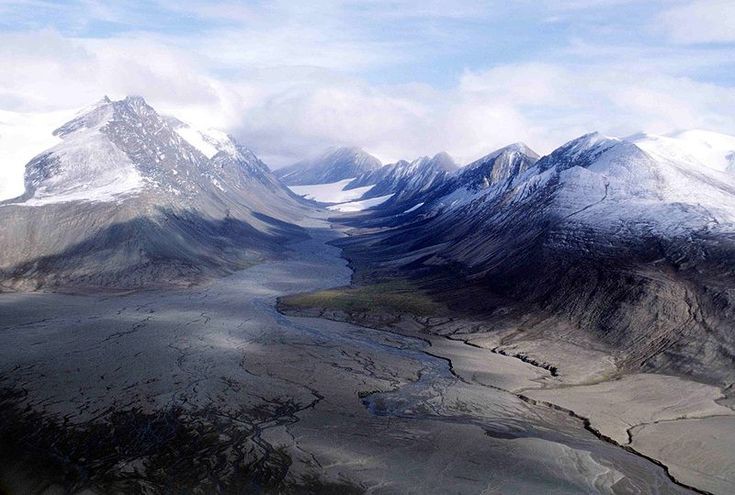
Quttinirpaaq National Park, located on Ellesmere Island in Nunavut, Canada, offers an extraordinary glimpse into one of the Earth's northernmost natural landscapes. The park is a vast expanse of rugged mountains, glaciers, deep valleys, and expansive polar deserts, making it one of the most remote and pristine wilderness areas in the world. The name "Quttinirpaaq" means "top of the world" in Inuktitut, a fitting description given its position within the High Arctic. This destination stands out for its unique polar desert ecosystem, where sparse vegetation coexists with dramatic ice formations and towering peaks.
Key features include the Challenger Glacier, steep mountain ranges such as the United States Range, and the Lake Hazen area, which is the largest lake north of the Arctic Circle. The park's geology is marked by ancient sedimentary and metamorphic rocks sculpted by millennia of glacial activity, resulting in striking valleys and fjords. Wildlife is limited but special, including Arctic wolves, muskoxen, and rare bird species adapted to this extreme environment. The cultural significance ties to indigenous Inuit peoples who historically traversed these lands. Established in 1988, the park preserves this fragile arctic ecosystem, offering truly raw and untouched landscapes for adventurous visitors.
Though far from typical tourist routes, its stark beauty and extreme environment appeal particularly to those interested in Arctic research, wilderness hiking, and backcountry camping under the midnight sun or bright polar twilight. Visitors are rewarded with vast solitude, profound silence, and a rare chance to witness the Arctic's natural state away from development.
Quttinirpaaq National Park is highly exceptional due to its Arctic location, rugged terrain, and unique polar desert ecosystem. Its extreme remoteness and pristine natural environment make it a true wilderness experience. Although it offers very limited visitor accessibility and amenities, these factors contribute to its rarity and appeal for experienced adventurers rather than mainstream tourism. It achieves a strong score for its unique landscape and outdoor adventure potential but is slightly limited by accessibility and harsh conditions, preventing it from reaching the highest ranks reserved for more iconic, widely recognized landmarks.