About This Adventure Destination
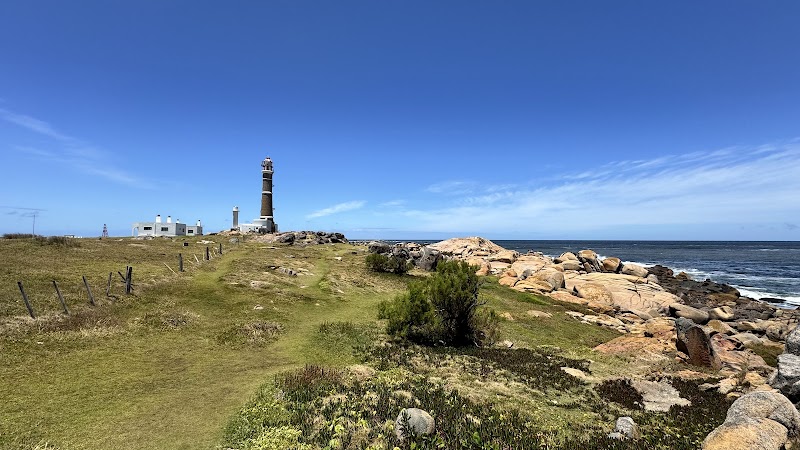
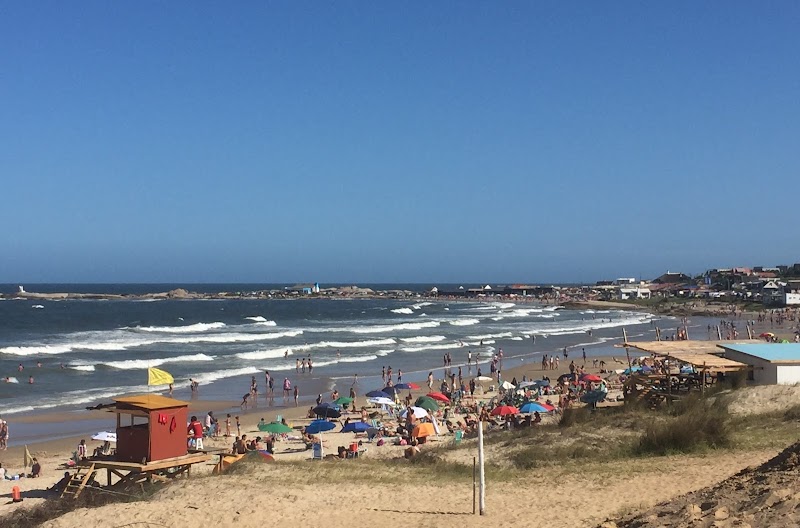
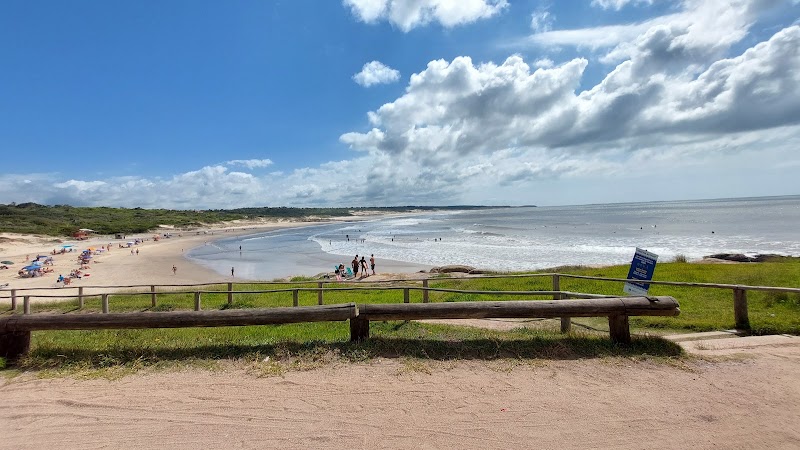
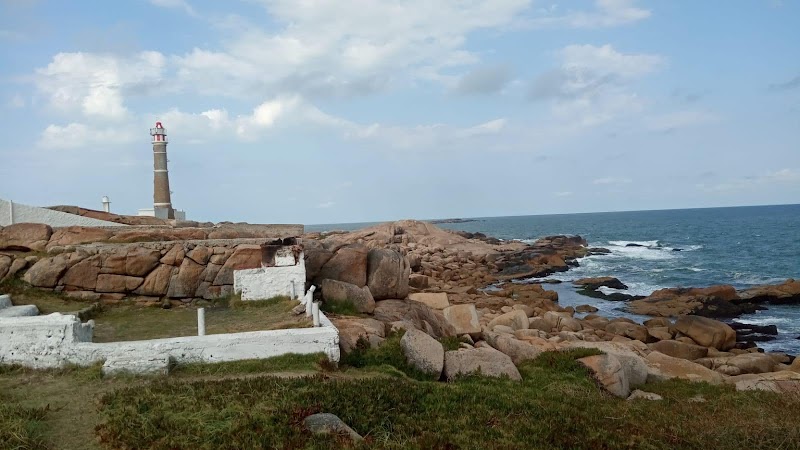
Cabo Polonio in Uruguay’s Rocha Department is a rare coastal refuge where nature remains largely untouched. This remote village and surrounding natural park sit along the expansive Atlantic Ocean, offering wide sandy beaches and vast dunes that stretch beyond the horizon. Known for its rustic charm and absence of electricity across much of the area, the landscape feels suspended in time, drawing visitors seeking a genuine connection to nature. One of the most remarkable features here is the large colony of sea lions that lounge on the rocky shoreline, providing a remarkable wildlife spectacle unlike anywhere else in the region. The coastline’s rugged rocks contrast beautifully with the soft sands, creating perfect spots for photography and reflection.
The iconic lighthouse, perched on a rocky promontory, stands as a popular spot to take in panoramic views of the ocean and surrounding wild terrain. Its light pulses through the night, guiding ships while adding to the area’s maritime heritage. Cabo Polonio is also treasured for its clear, deep-dark skies which make it ideal for stargazing due to almost no light interference. Visitors often praise the peaceful atmosphere and natural beauty, highlighted by golden sunsets and the gentle sound of crashing waves.
Historically, the area has roots dating back to early 20th-century fishing communities, and today it functions as a protected national park. Its combination of ecological importance, animal inhabitants, and simple, off-grid living makes Cabo Polonio distinct from typical beach destinations—a place where the power of solitude and nature are deeply felt.
Cabo Polonio's value lies in its pristine natural environment and biodiversity. Its remote beauty and unique ecosystems offer visitors a sensory escape, making it a cherished destination despite its inaccessibility. The combination of marine life, landscapes, and clear skies creates a memorable experience.#Uruguay #Beaches #WildlifeObservation #Stargazing #Hiking #Adventure #CaboPolonio