About This Adventure Destination
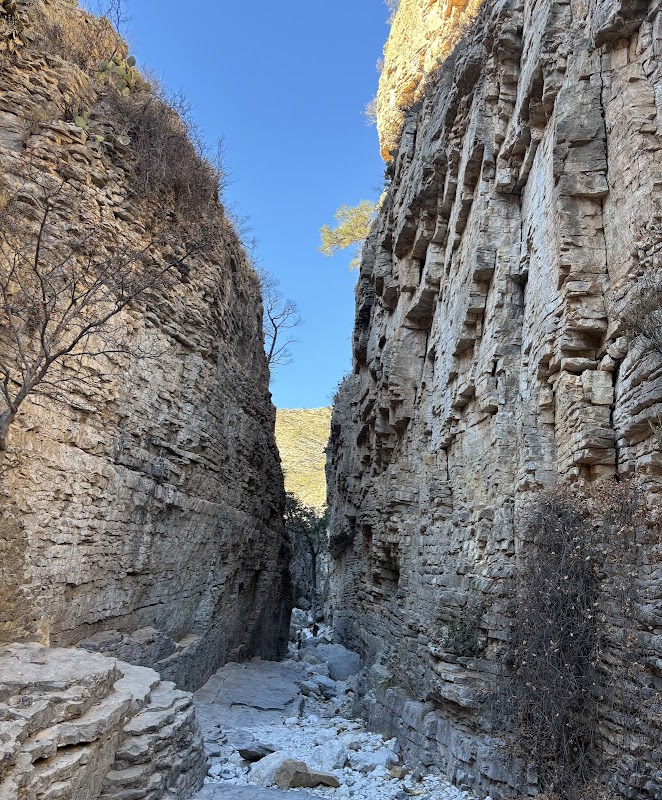
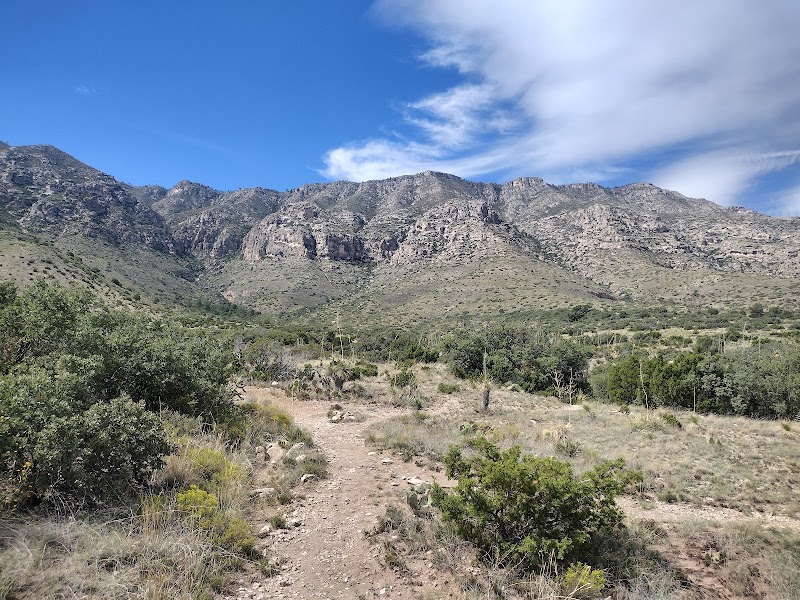
Smith Spring Trail is a standout hiking destination located in the rugged landscape near Salt Flat, Texas, within Guadalupe Mountains National Park. This trail offers a blend of natural beauty and geological intrigue, making it a key outdoor destination in this arid region. The hike features a gradual ascent through desert scrub and rocky terrain, leading visitors to Smith Springs—a clear, refreshing natural spring nestled amid striking white limestone formations and surrounded by pockets of deciduous trees. This spring is a rare and vital source of water in an otherwise dry environment, creating a small but lush oasis that contrasts sharply with the park’s expansive desert backdrop.
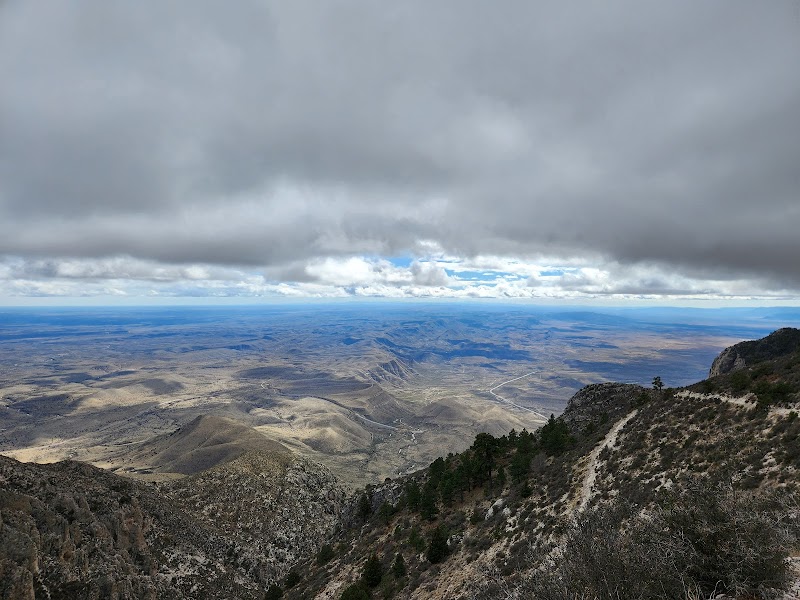
The trail itself spans a moderate distance with some gentle elevation gain, making it accessible to a variety of hikers looking for an immersive nature experience without strenuous climbing. Along the way, hikers are treated to scenic views of the Guadalupe Mountains’ rugged ridges and canyons, adding to the visual appeal of the journey. The presence of natural springs and the unique limestone geology make this area ecologically significant, supporting diverse plant life and occasional wildlife sightings.
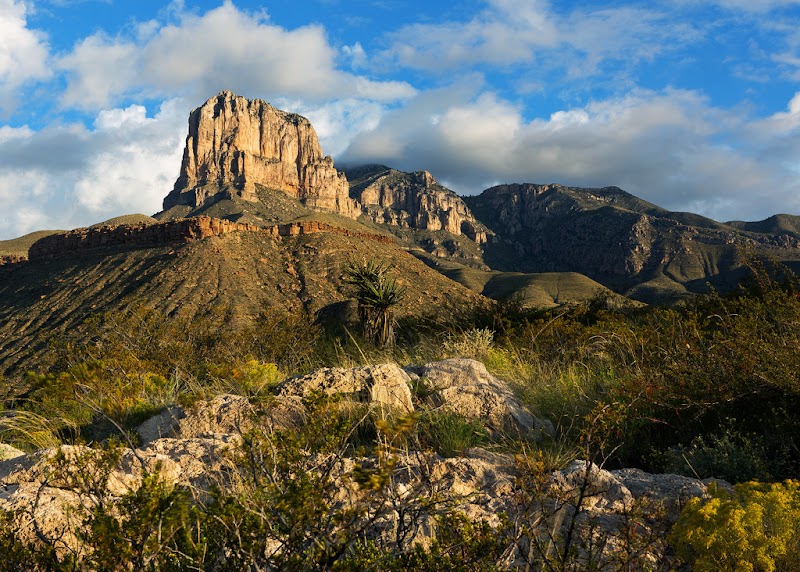
Historically, Guadalupe Mountains National Park was established to preserve the natural landscape and provide public access to these striking features, which include not only Smith Spring but also waterfalls and higher mountain peaks farther inside the park. Smith Spring Trail offers a memorable way to experience both the desert’s stark beauty and the subtle refreshing retreat of the spring itself, making it a special spot for outdoor enthusiasts visiting the region.
Smith Spring Trail is a beautiful and rewarding hike within Guadalupe Mountains National Park, offering a rare desert spring experience combined with scenic mountain views. It is well-loved by hikers seeking a moderate trail with natural water features and unique geology. While it is a remarkable destination in Texas and the surrounding region, it scores just below the top tier reserved for globally iconic natural landmarks due to its moderate accessibility and smaller scale in comparison to world-famous natural wonders.