About This Adventure Destination
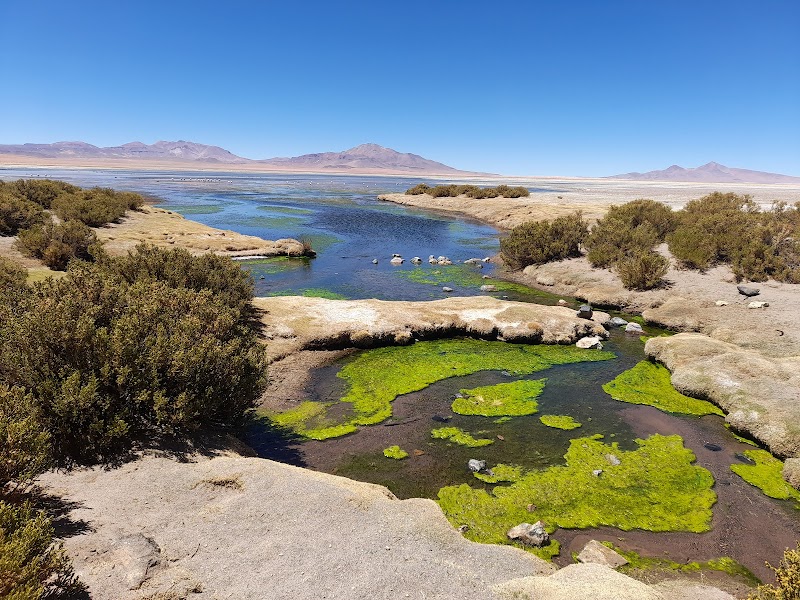
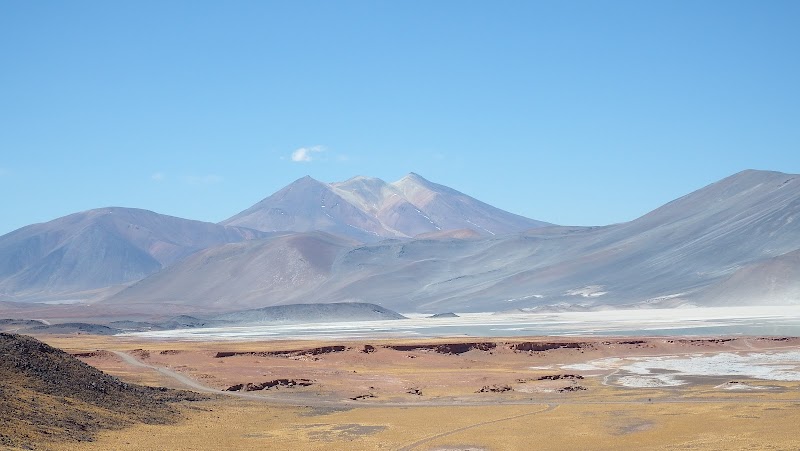
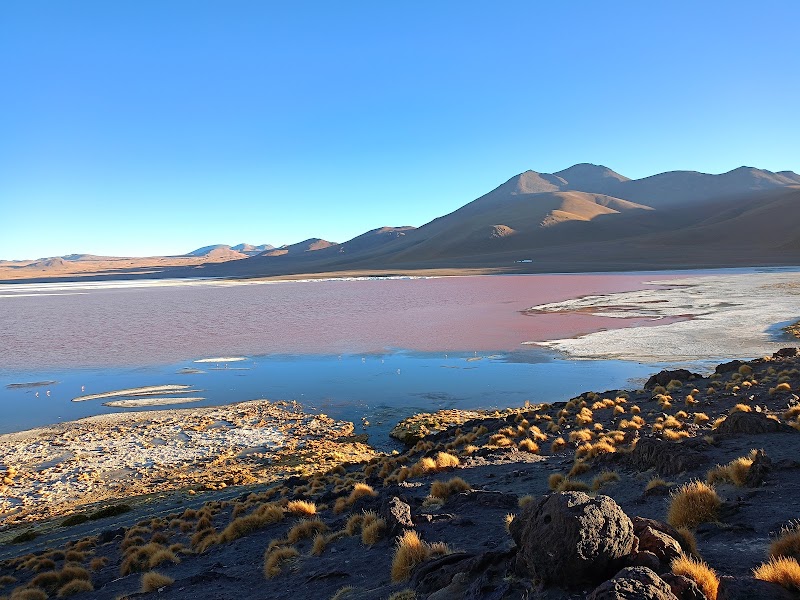
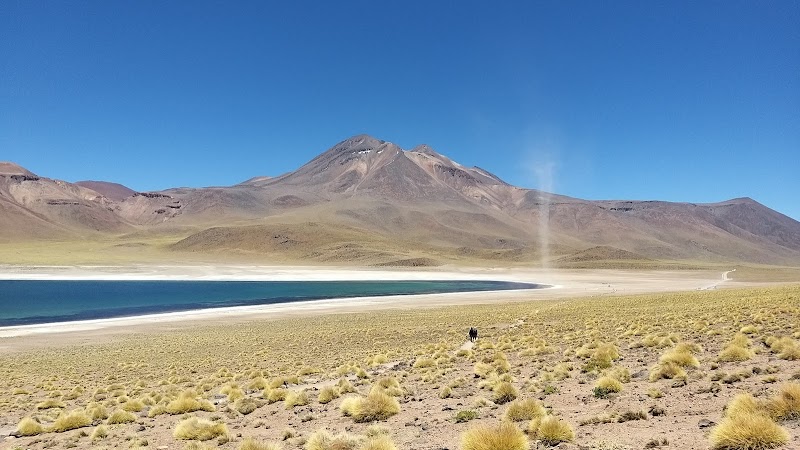
Reserva Nacional Los Flamencos is a distinctive natural reserve located in the Atacama Desert region of northern Chile. Known primarily for its vast salt flats and high-altitude lagoons, this reserve offers a unique setting for witnessing some of South America's most extraordinary wildlife and geological features. The landscape is characterized by breathtaking salt plains, colorful lagoons, and imposing volcanic mountains. These lagoons support large populations of flamingos, lending the park its name, and other bird species adapted to the harsh environment. Visitors can observe Chilean, Andean, and James’s flamingos in their natural habitat, a rare experience due to the extreme elevation and aridity of the area. The reserve also protects unique ecosystems surrounding the Andes, including desert shrubs, algal mats in saline waters, and ancient geological formations created through volcanic activity and salt deposition. Established in 1990, Reserva Nacional Los Flamencos combines remarkable biodiversity with striking geological contrasts, making it a standout destination for naturalists and outdoor lovers. Its expansive salt flats reflect the intense blue sky, creating dramatic visual contrasts against the dry, earthy tones of the desert. This stark beauty offers unforgettable views and photo opportunities. The reserve’s remote location enhances its appeal for those seeking tranquility and immersion in an environment that feels both otherworldly and pristine. Overall, the blend of wildlife, geology, and desert landscapes creates a singular destination unlike any other in Chile or the world.
Reserva Nacional Los Flamencos is highly regarded for its rare bird populations and striking high-altitude desert landscapes. Its distinctive salt flats and volcanic backdrops make it a top destination in Chile for nature lovers and bird watchers. However, while exceptionally unique and visually stunning, it ranks slightly below the very top tier due to its remote and less internationally renowned status compared to other global natural landmarks.